PRINCESS ALIA FOUNDATION
Compassion & Respect for all Creation
About Us
The Princess Alia Foundation (PAF) was founded by H.R.H. Princess Alia Al Hussein and is a registered non profit, non governmental organization, under the Ministry of Social Development in the Hashemite Kingdom of Jordan. Its aim is to promote compassion and respect for all Creation, using a holistic approach and bringing all stakeholders together to work as a united front.
PAF works on many different fronts to ensure the balance between humans, animals and the environment to provide a better future for generations to come


Our Projects
The Princess Alia Foundation approaches all projects using a holistic approach. All projects are implemented in partnership with main stakeholders in order to eliminate duplication and to pool resources. The projects of PAF always look to sustainable long-term solutions at the grass-roots level. All projects are designed on a needs basis where we work with local community and stakeholders to create sustainable, effective and feasible solutions on the ground.
Growing Together
Al Mawa For Nature And Wildlife

Learning Today – Leading Tomorrow
No Borders in Education
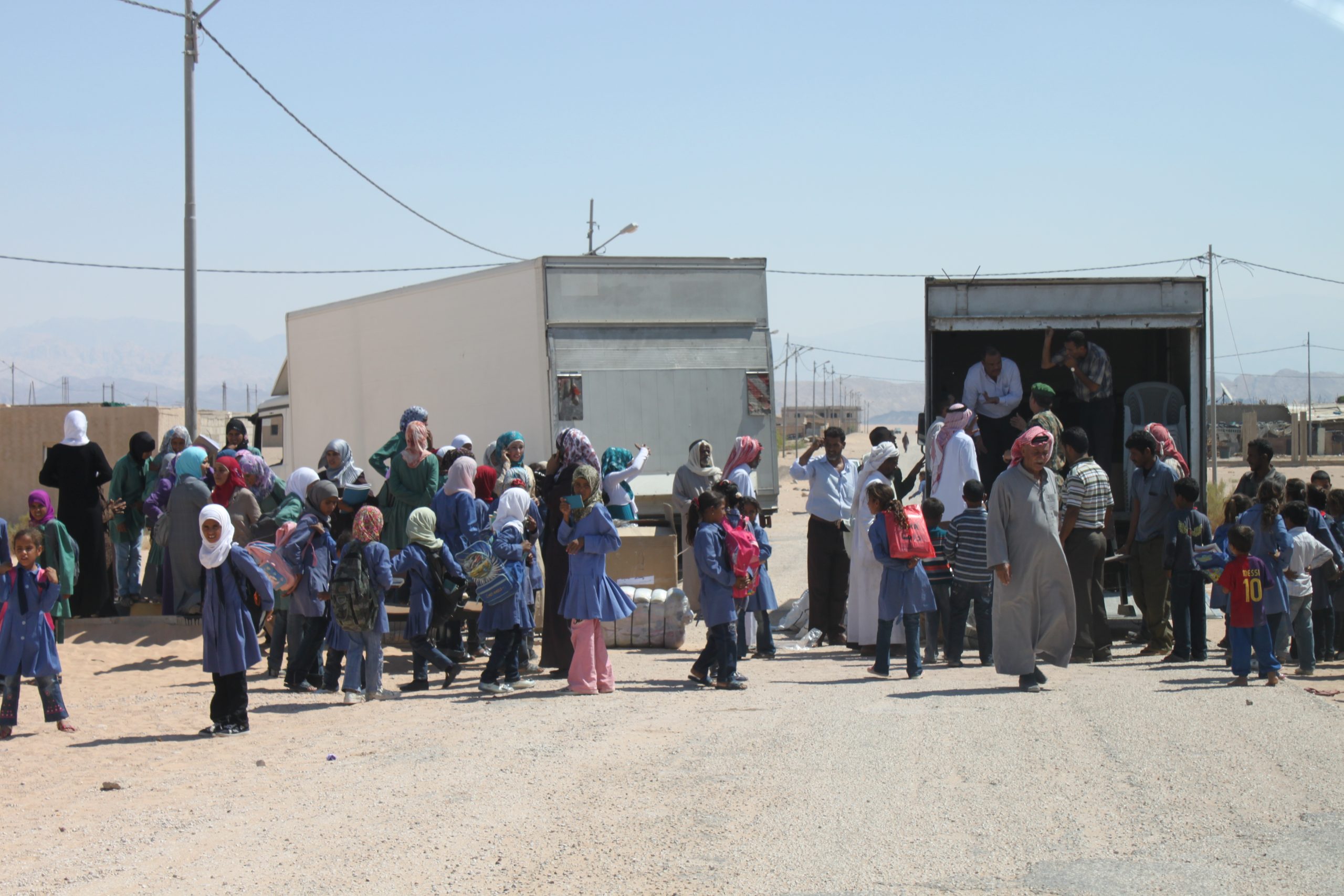
Social and Community Development
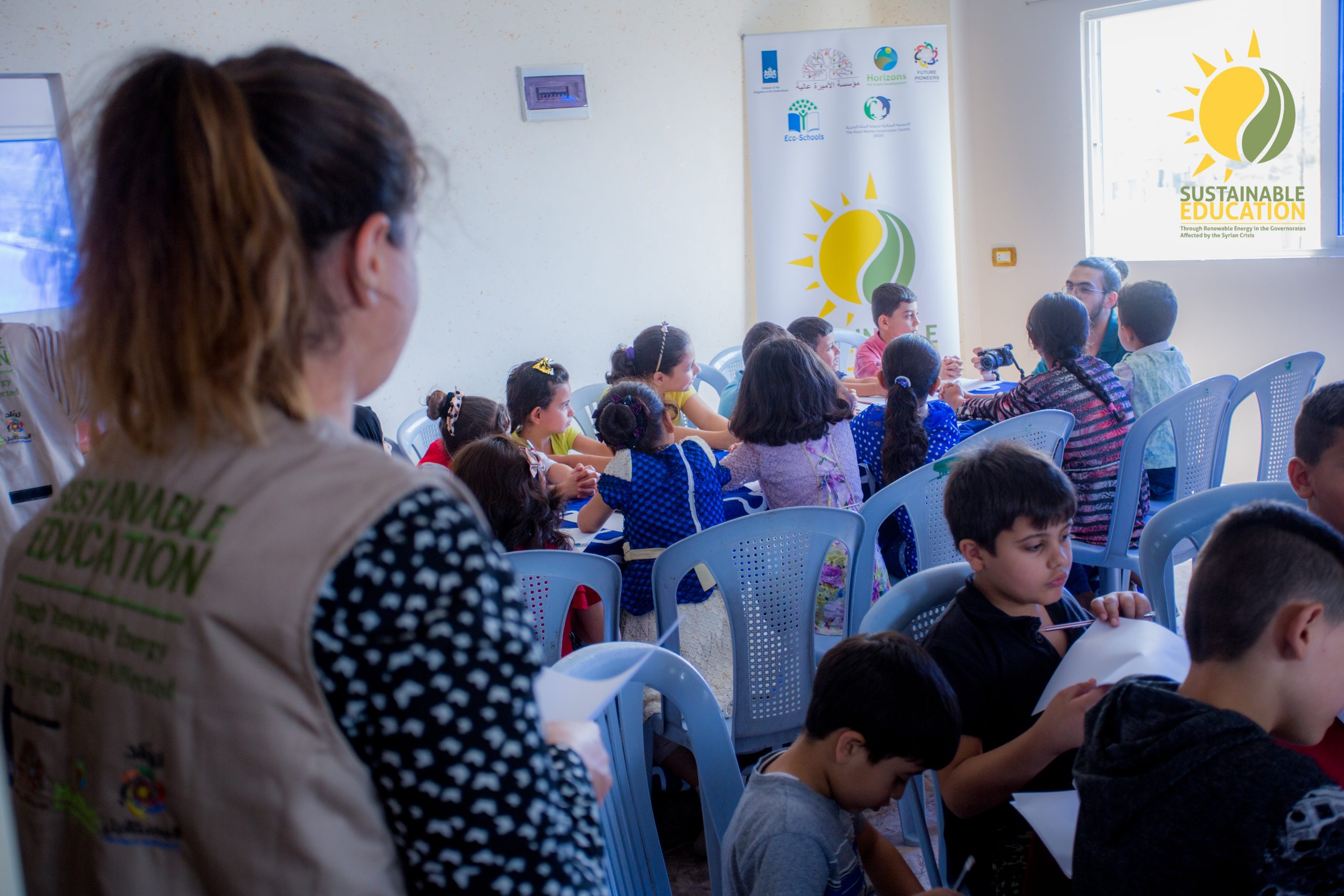
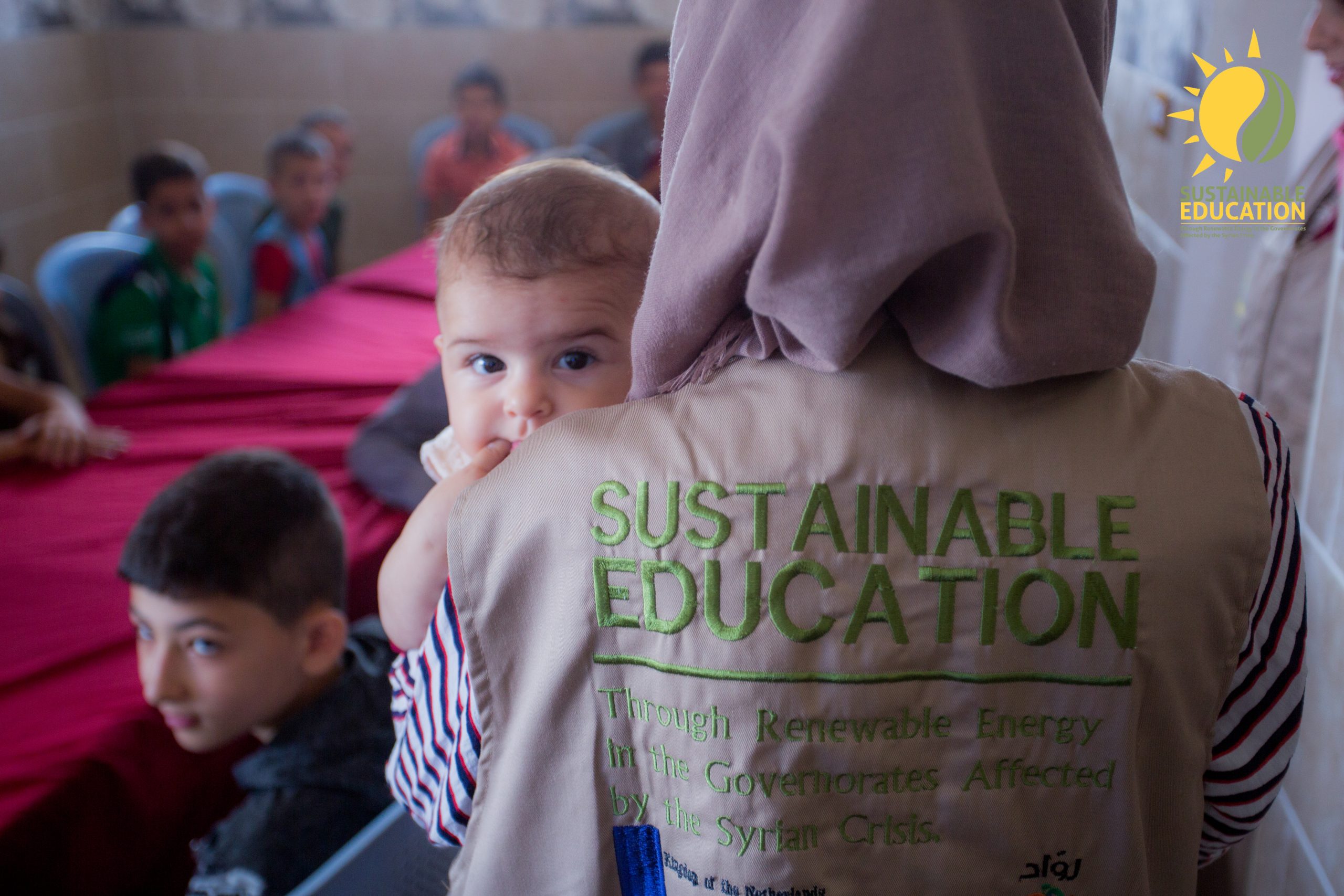
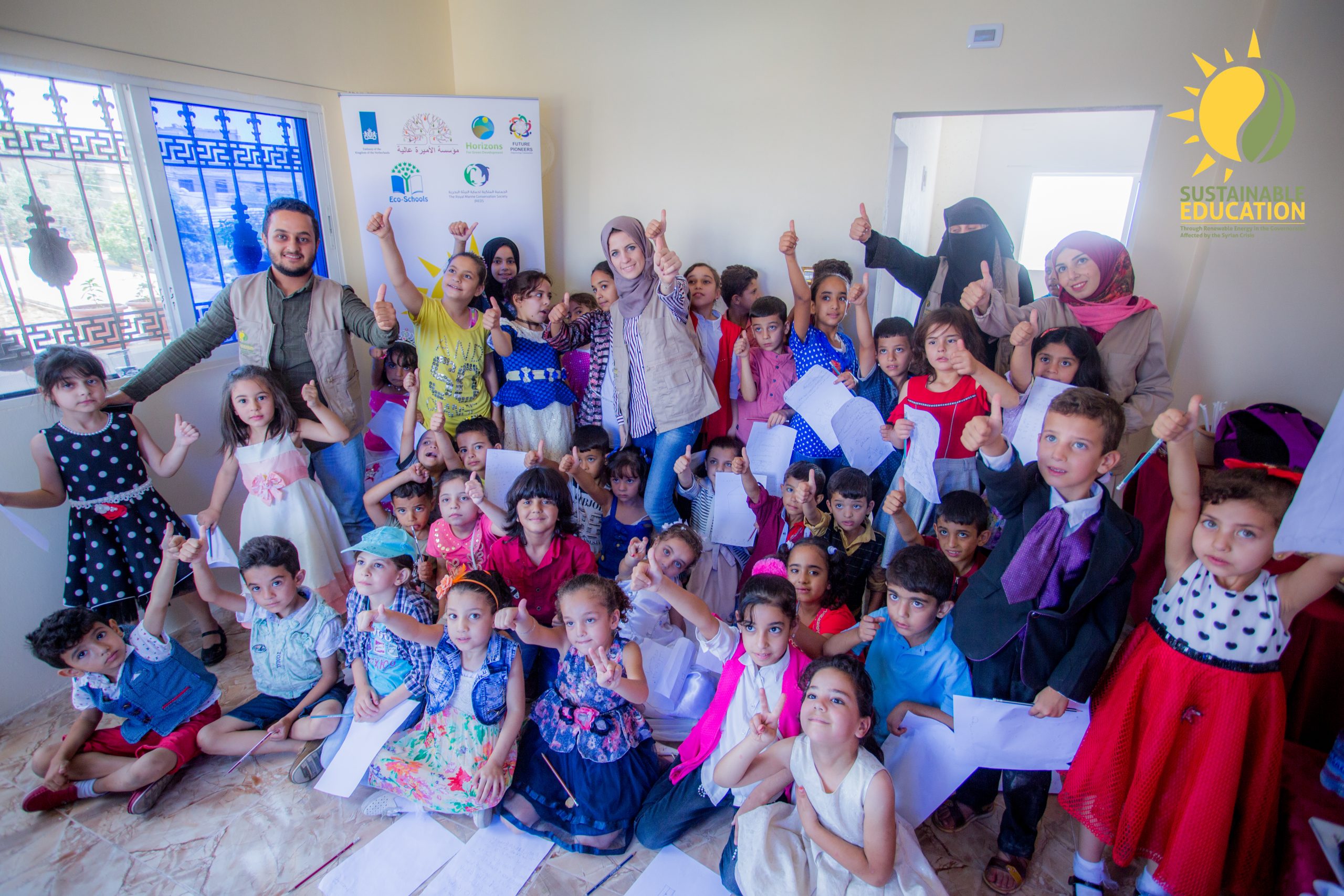
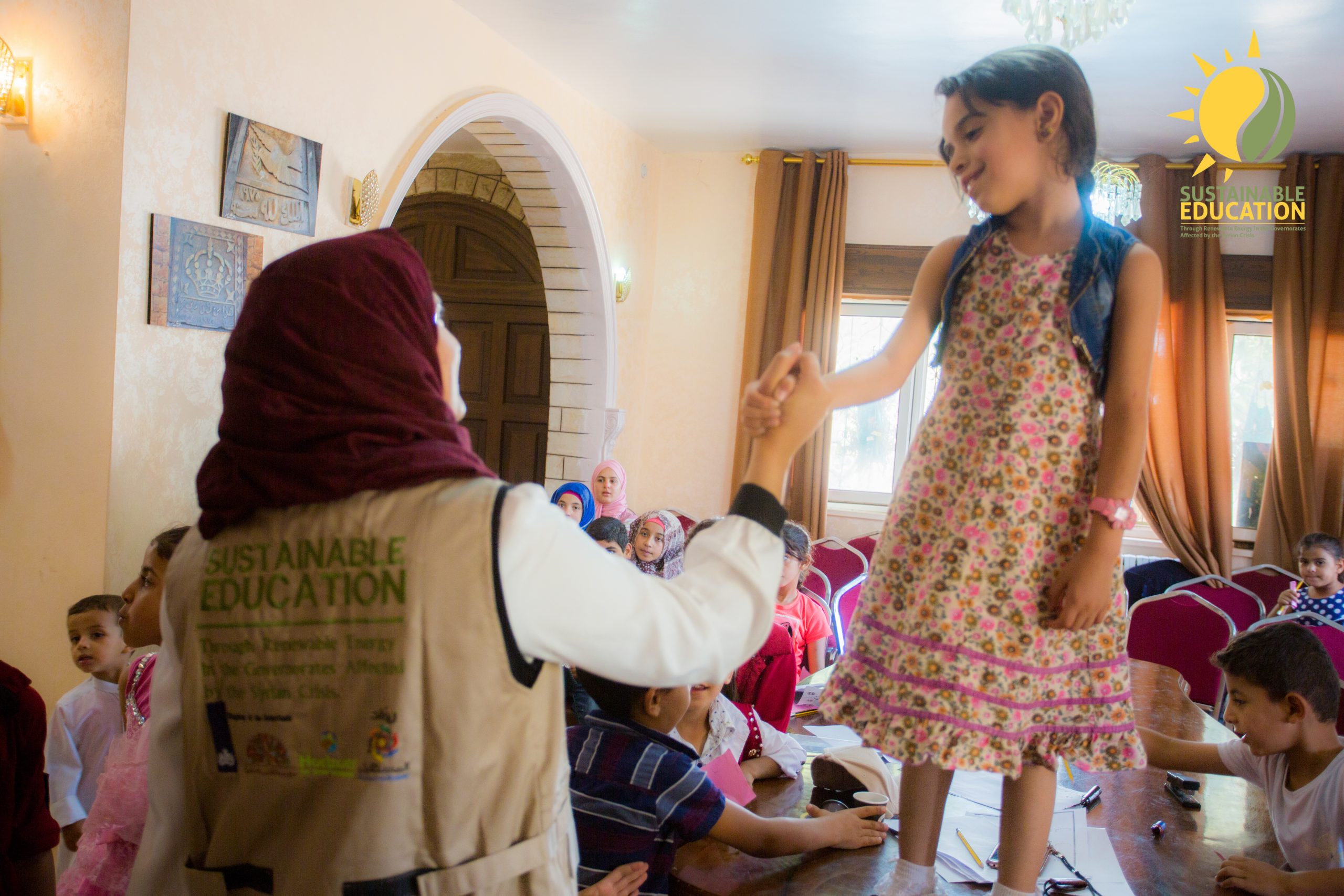
Sustainable Education

Sustainable Education through Renewable Energy
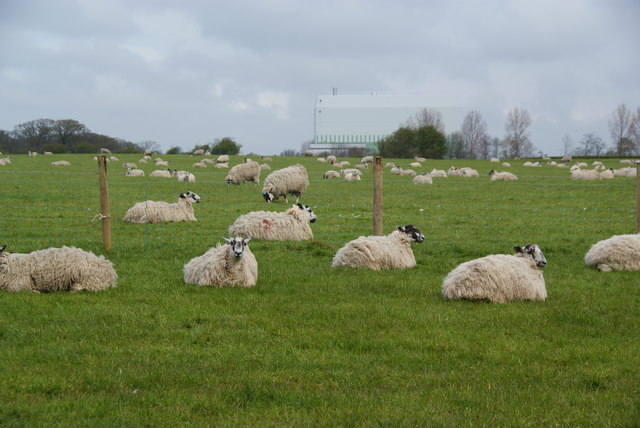
Slaughter House Reform

Stray Animal Control
Gallery
Have a closer look at some of our projects





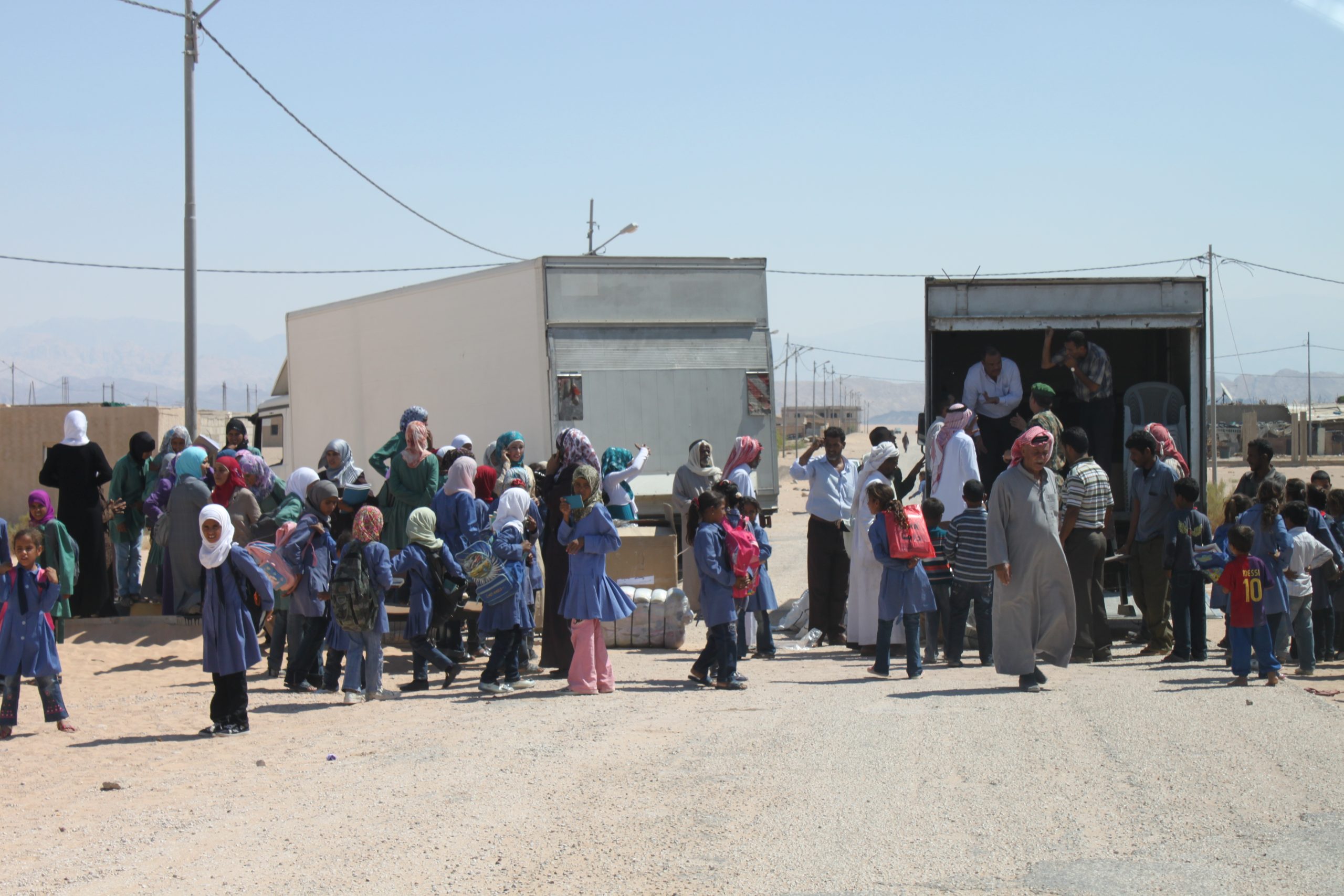

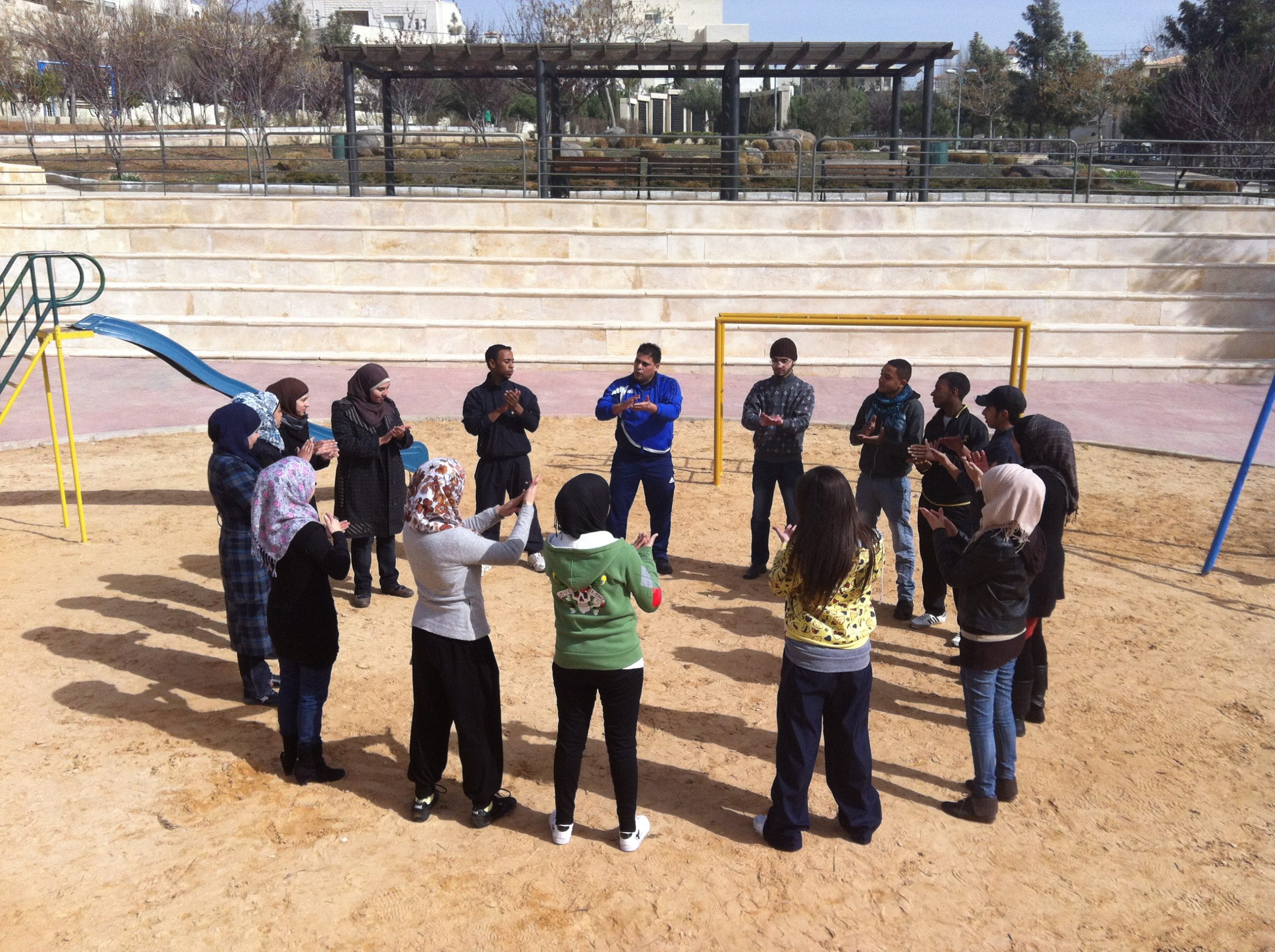
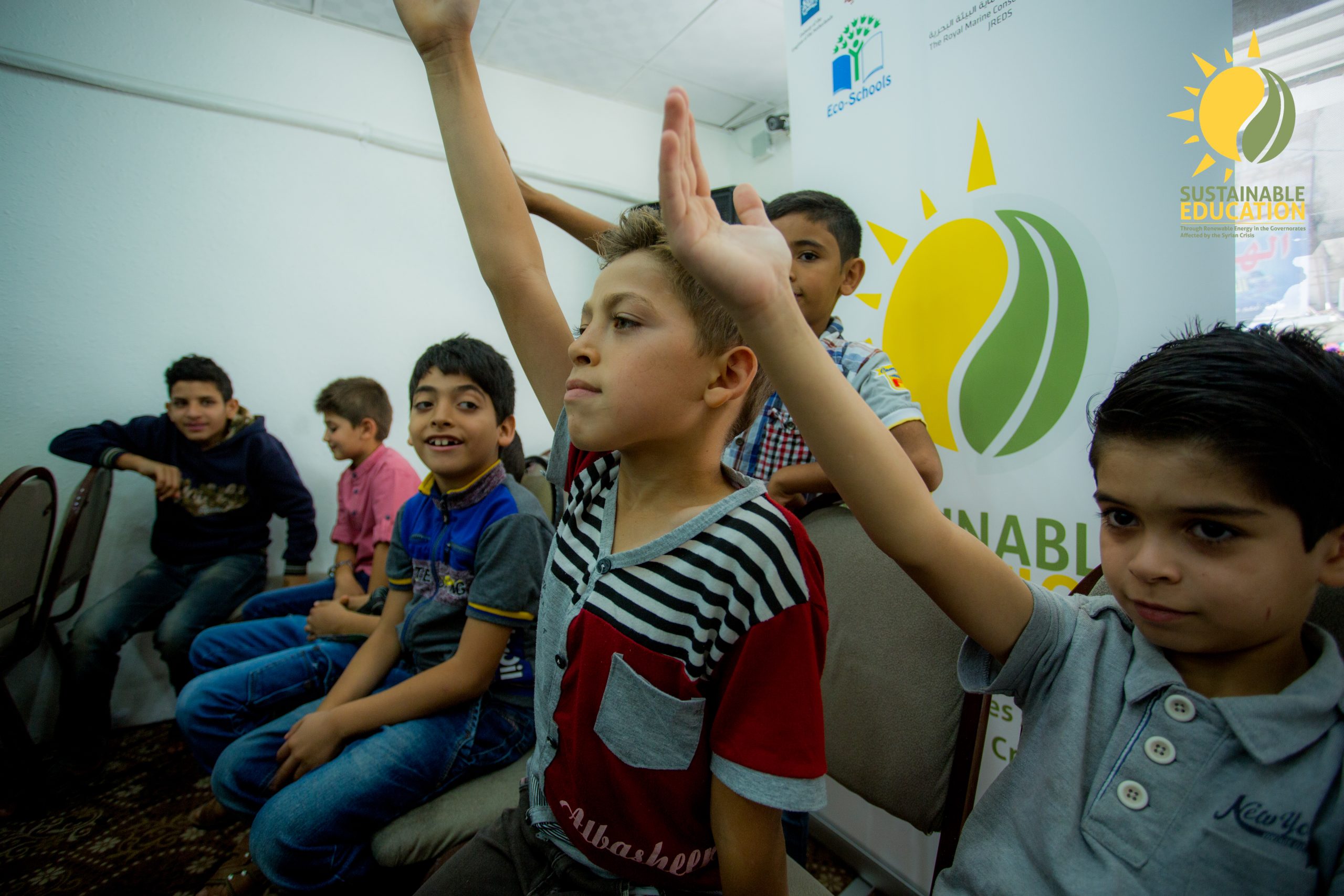

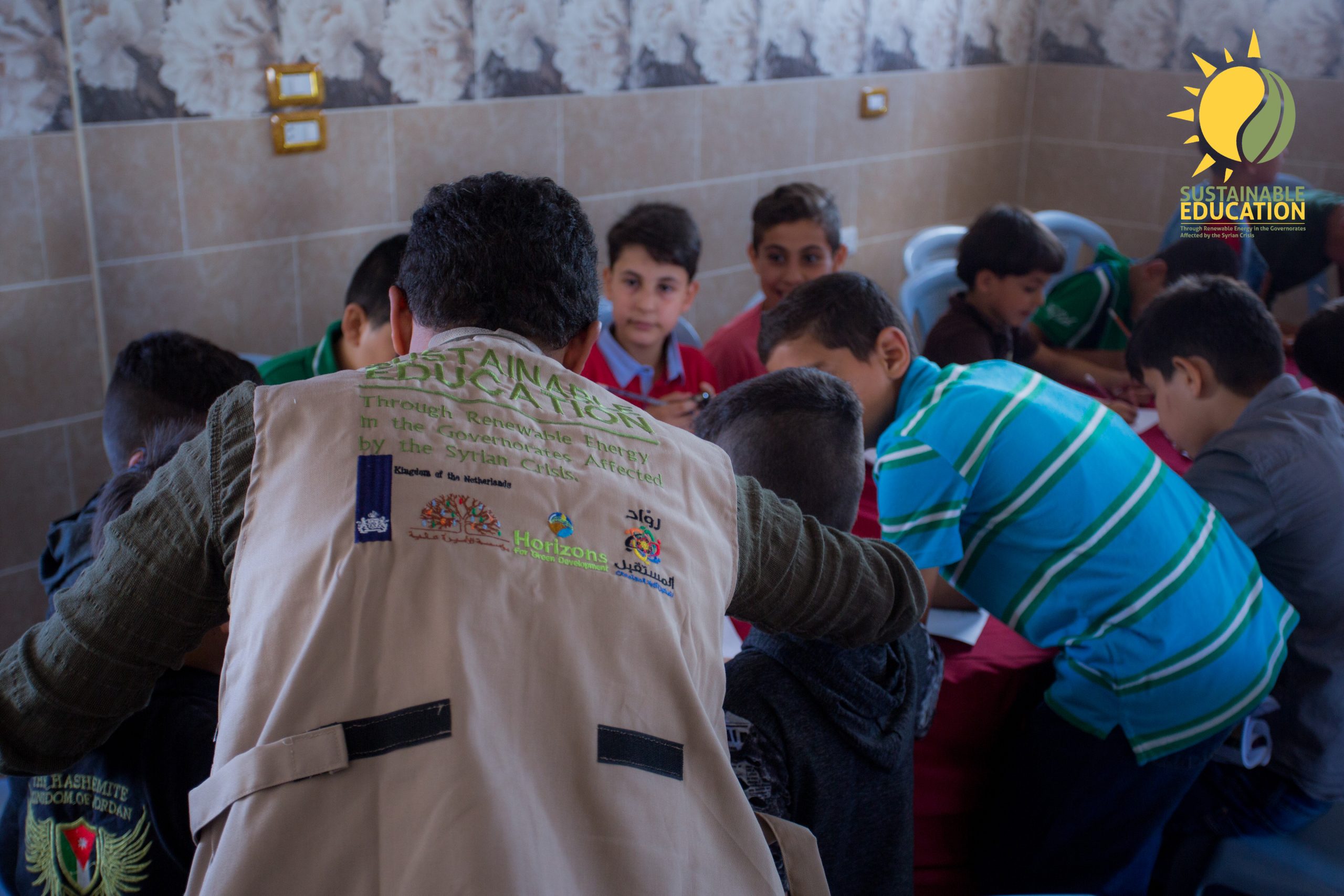









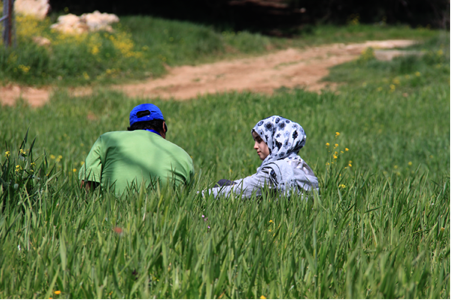

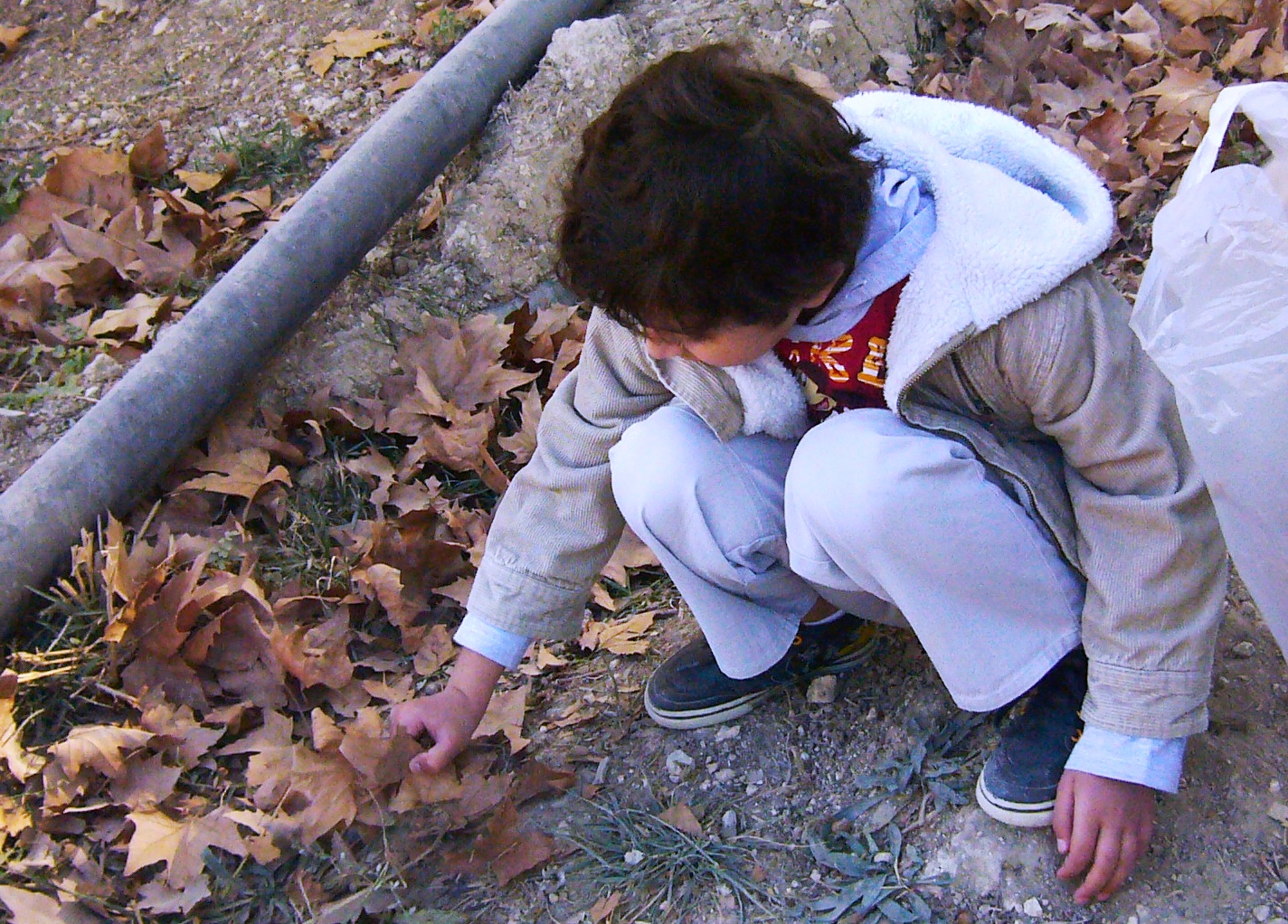




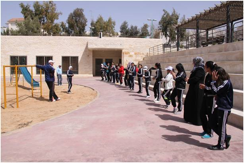

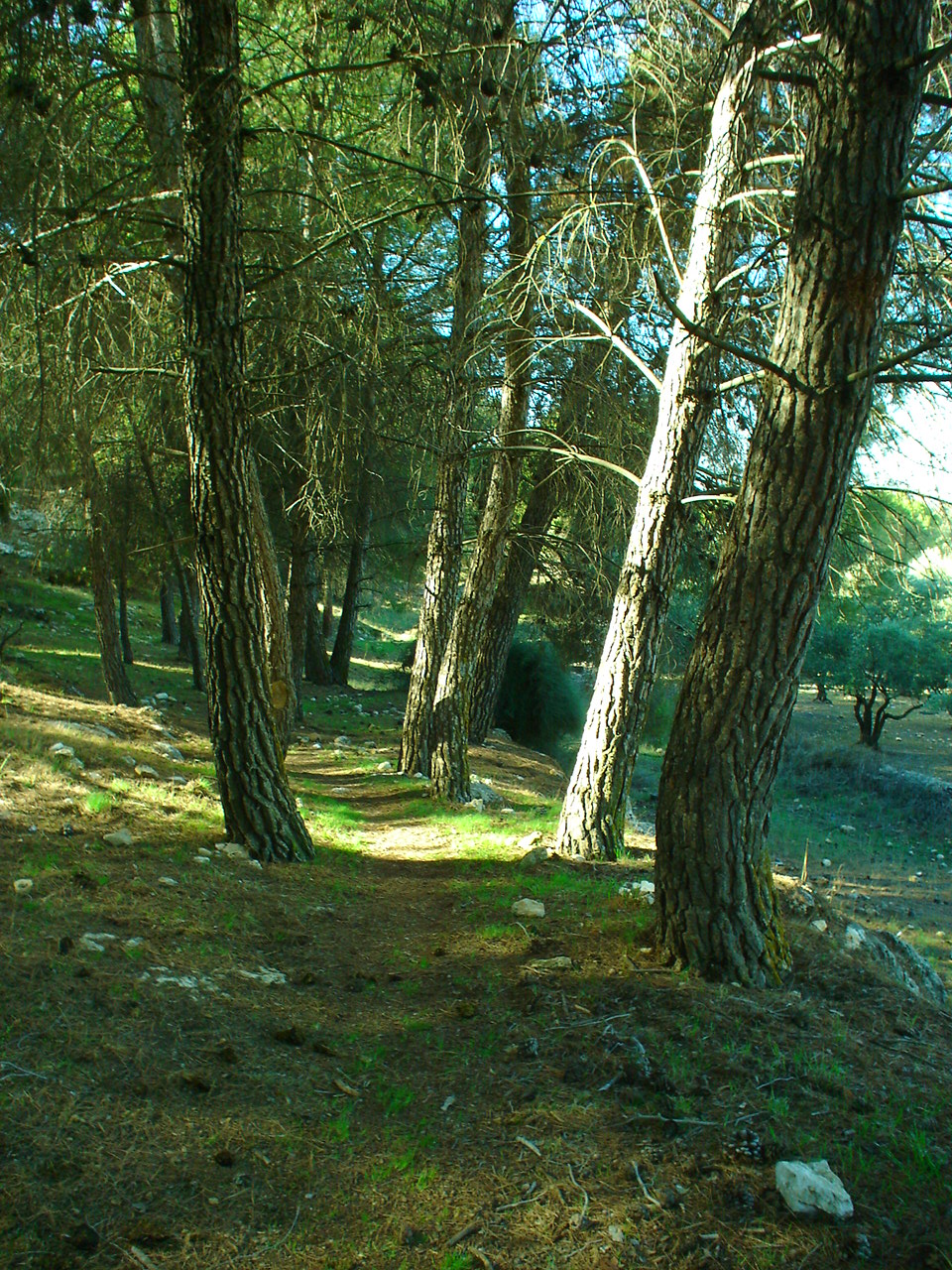

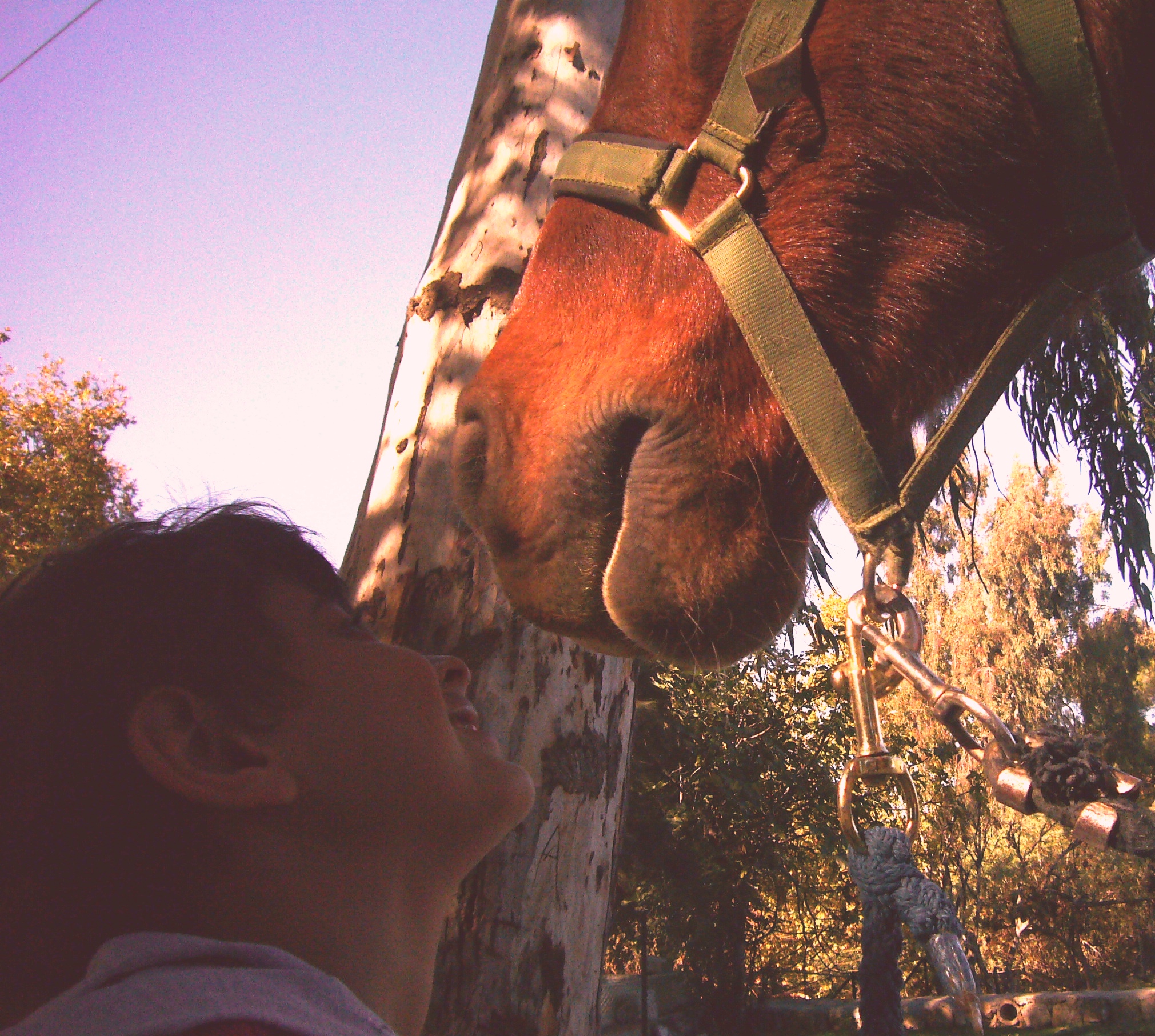

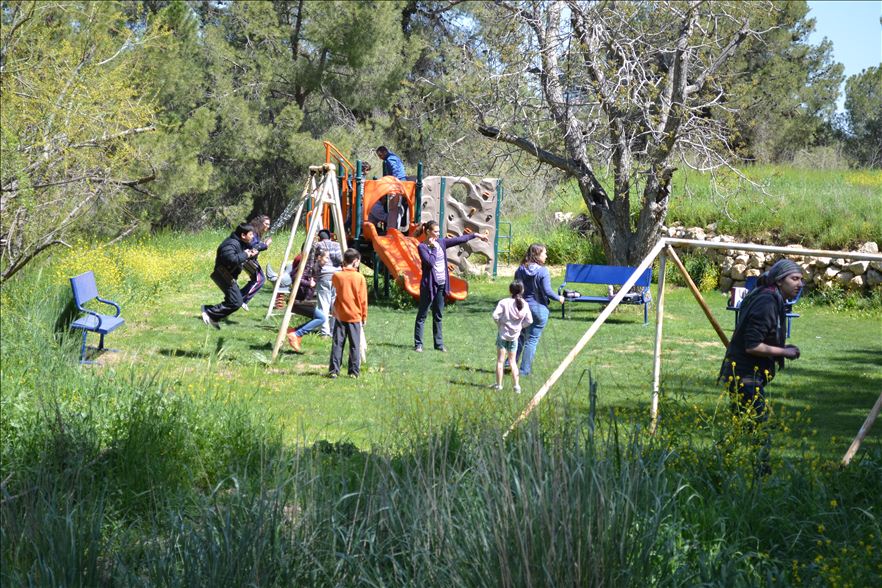


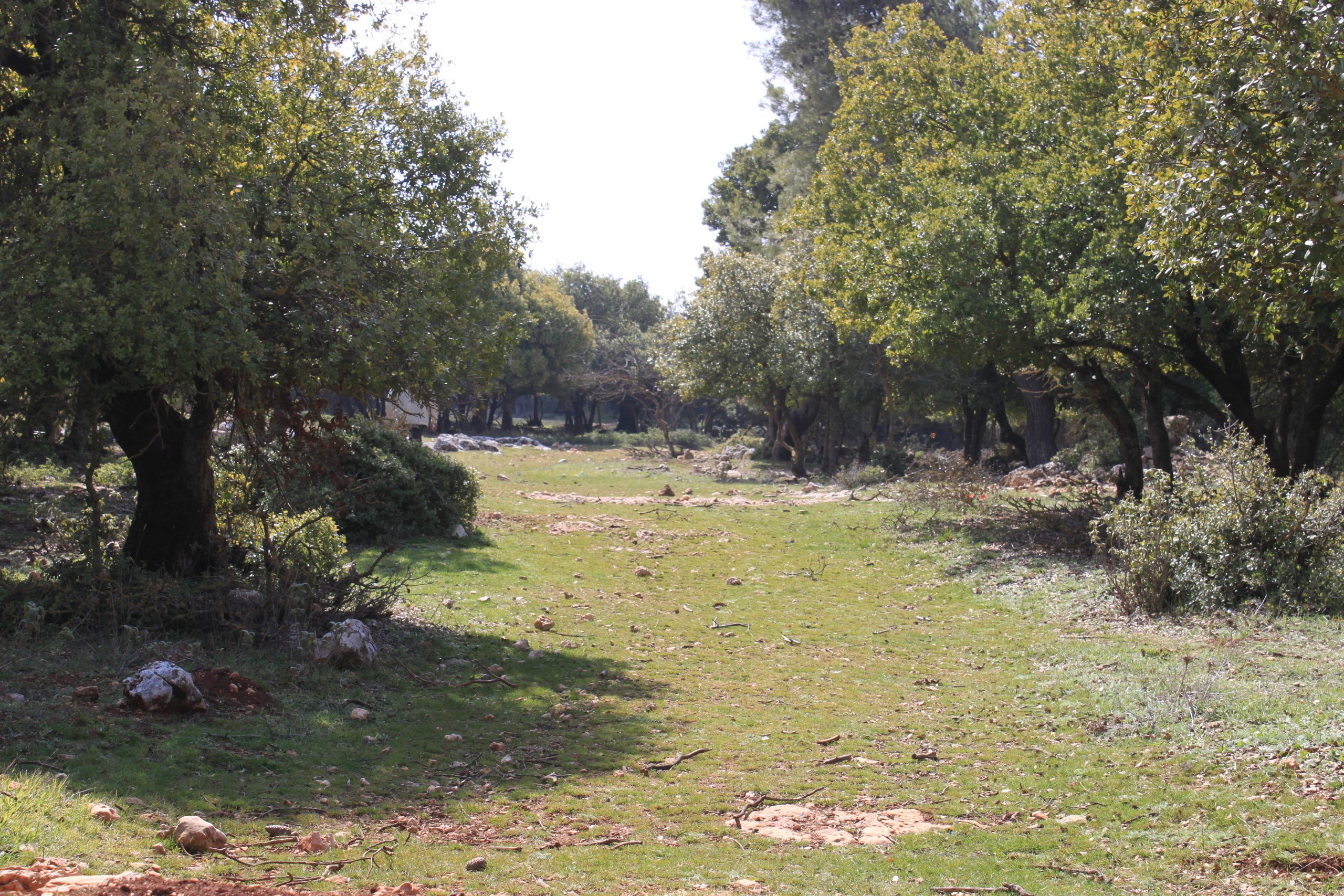


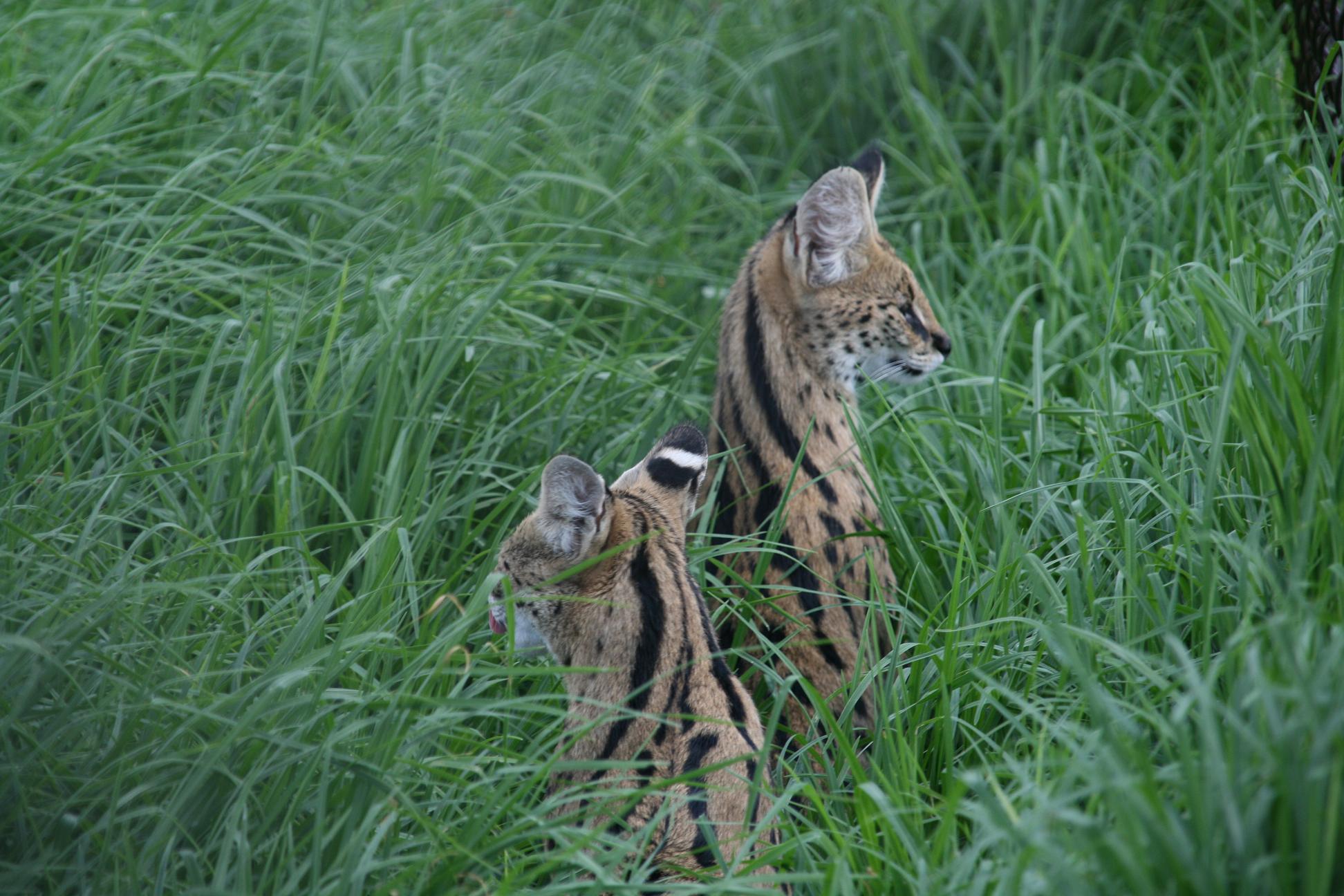


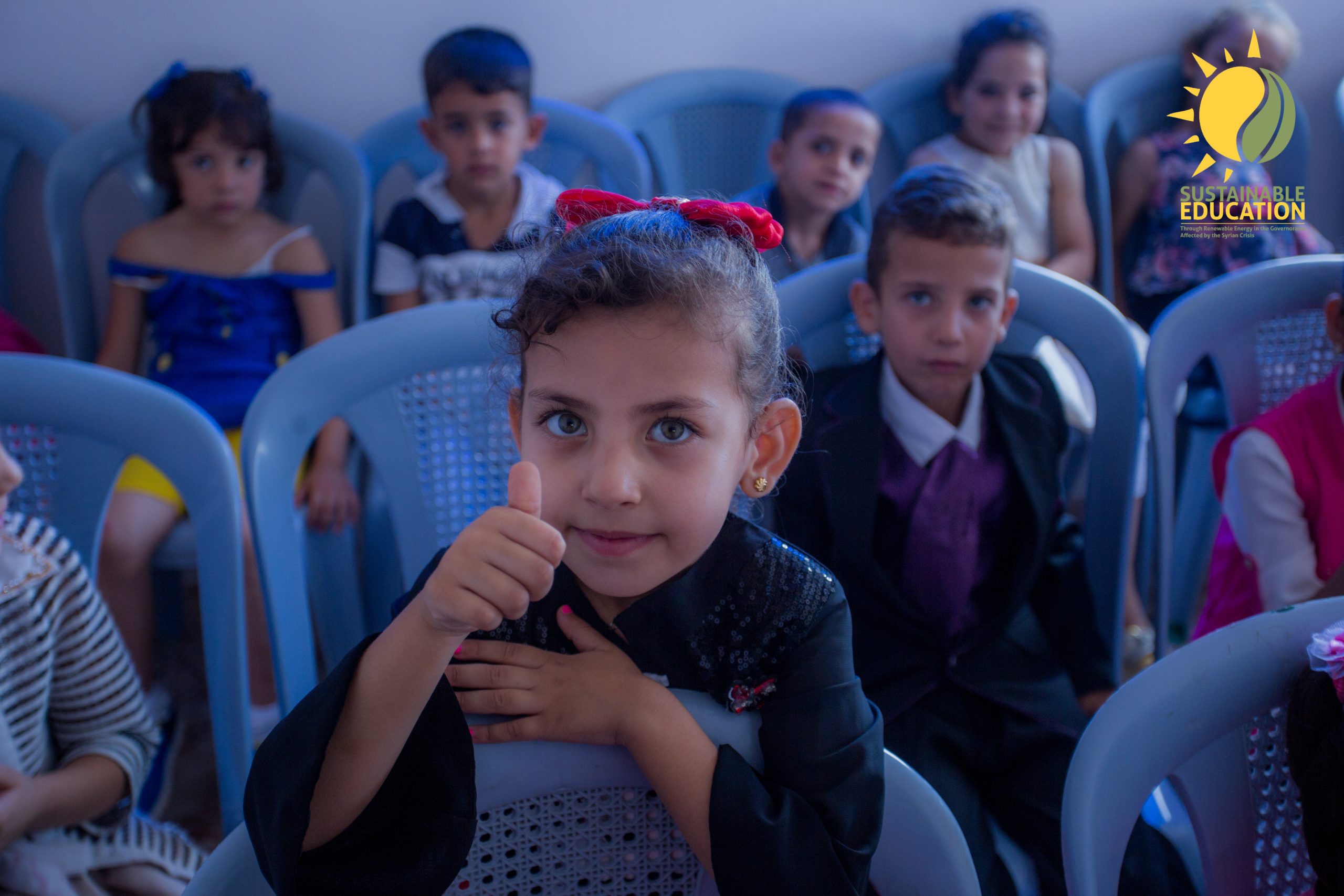
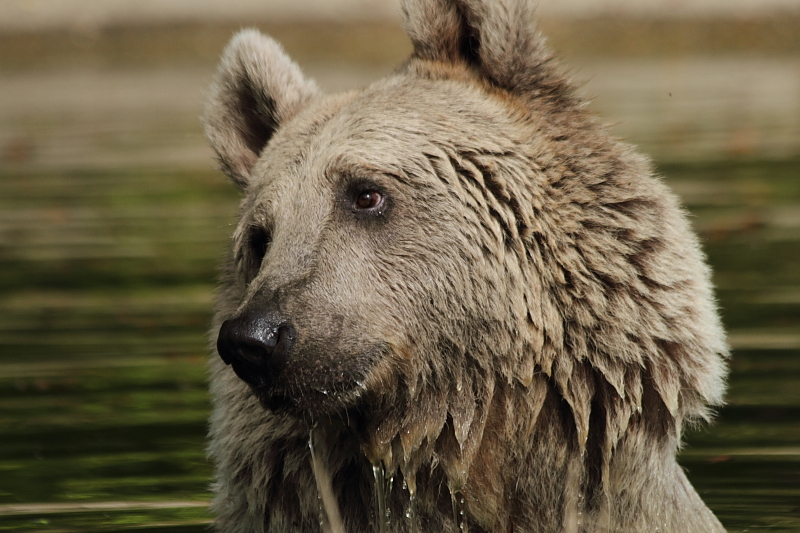
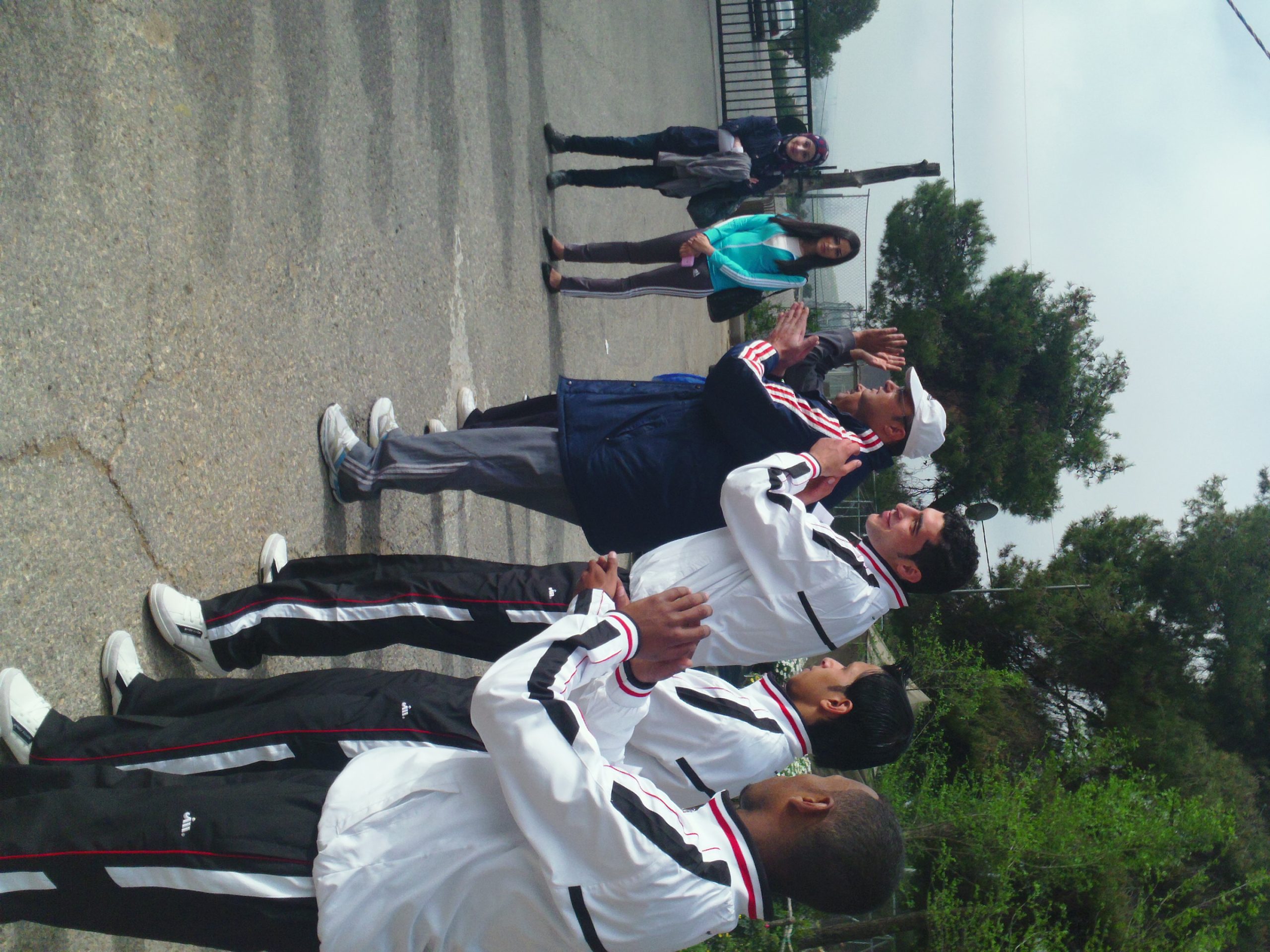
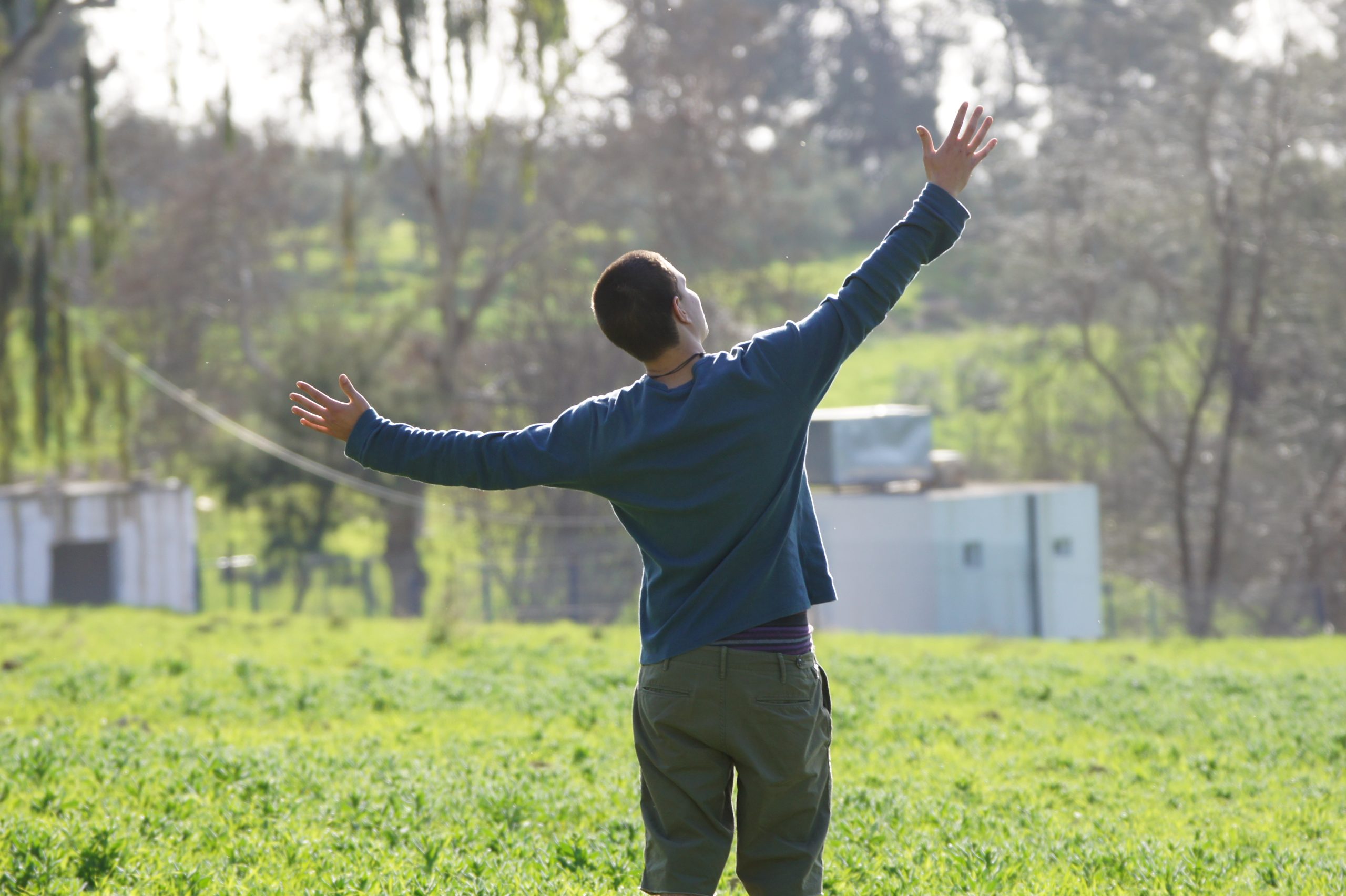
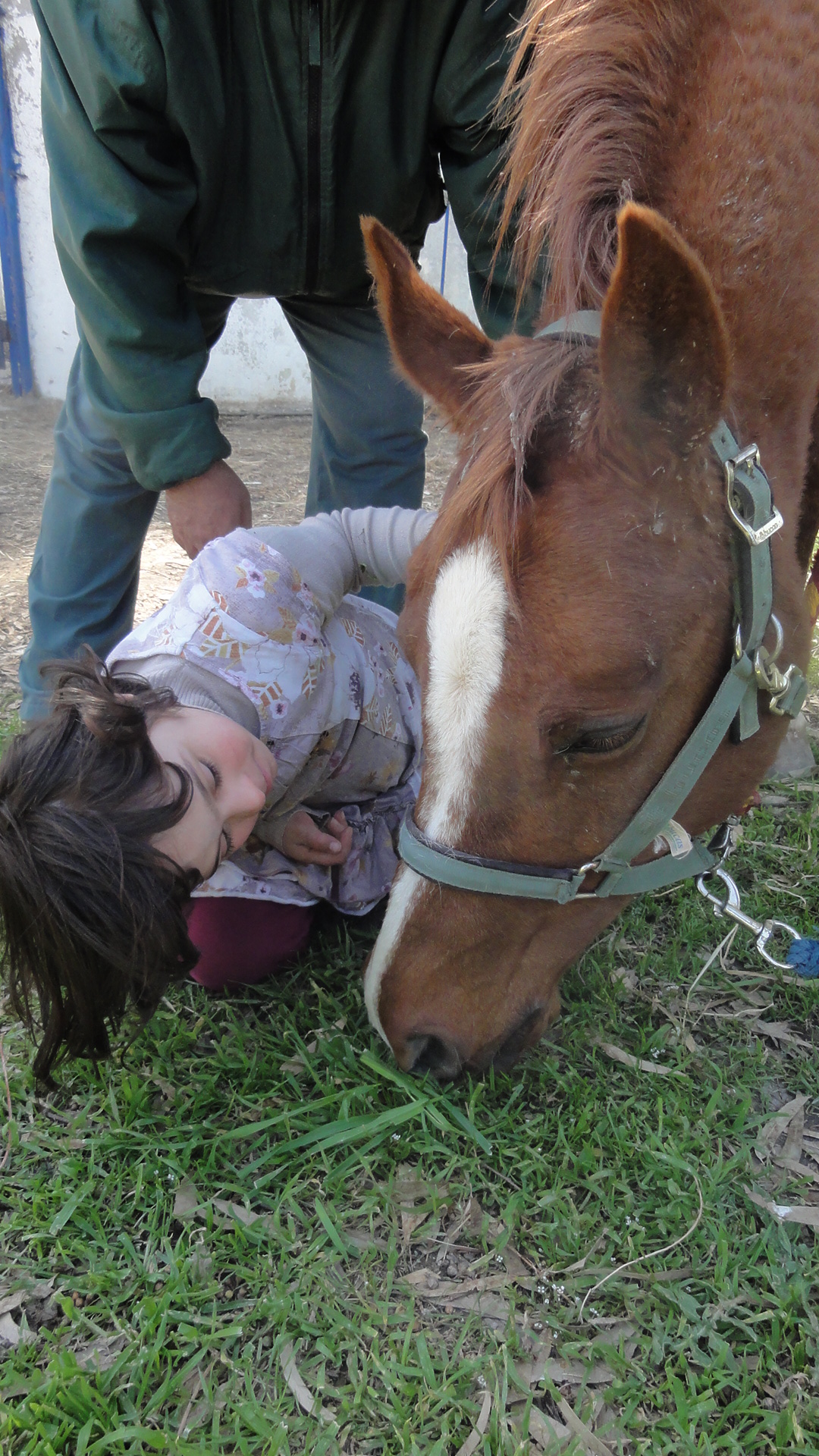








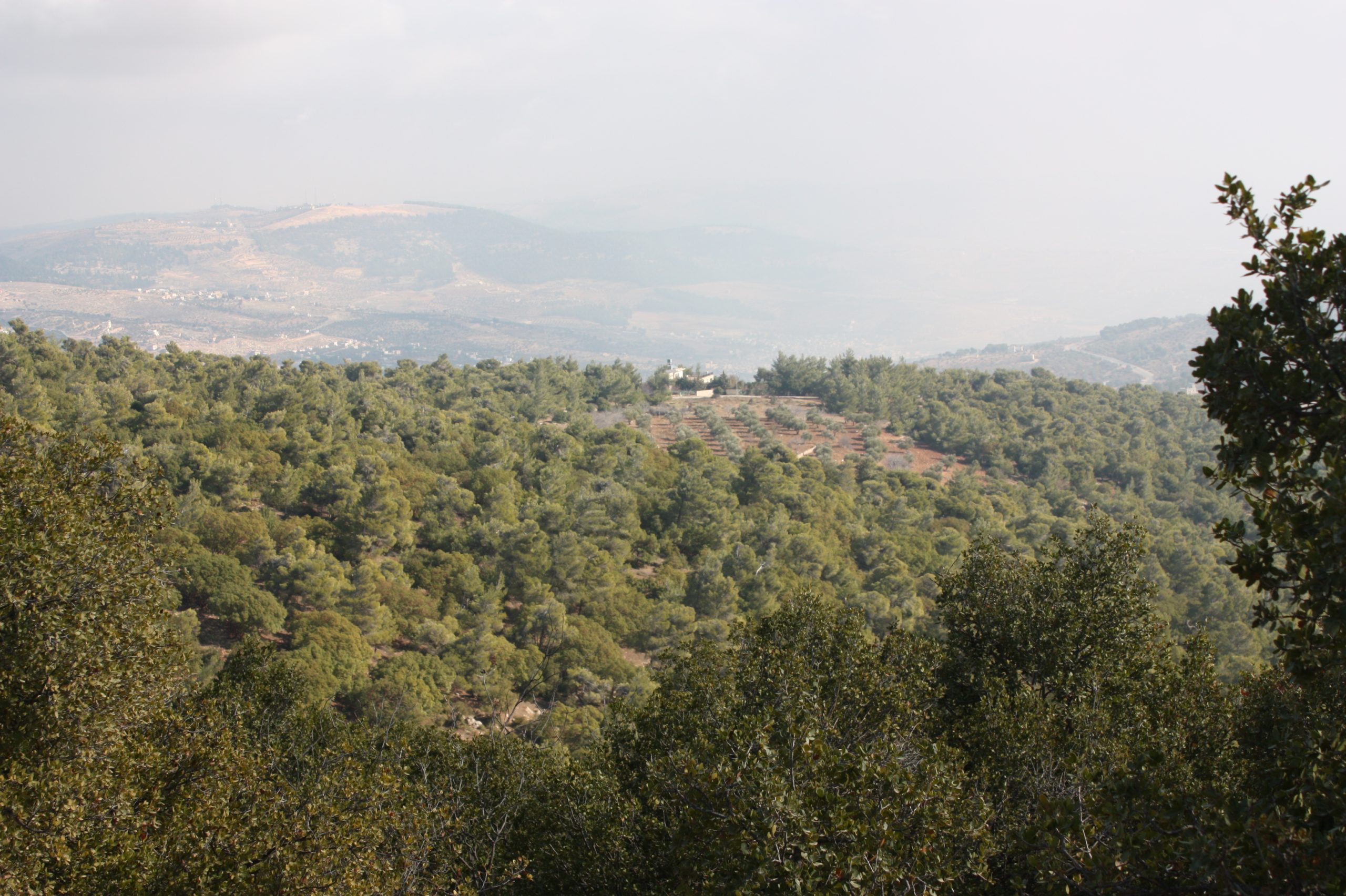


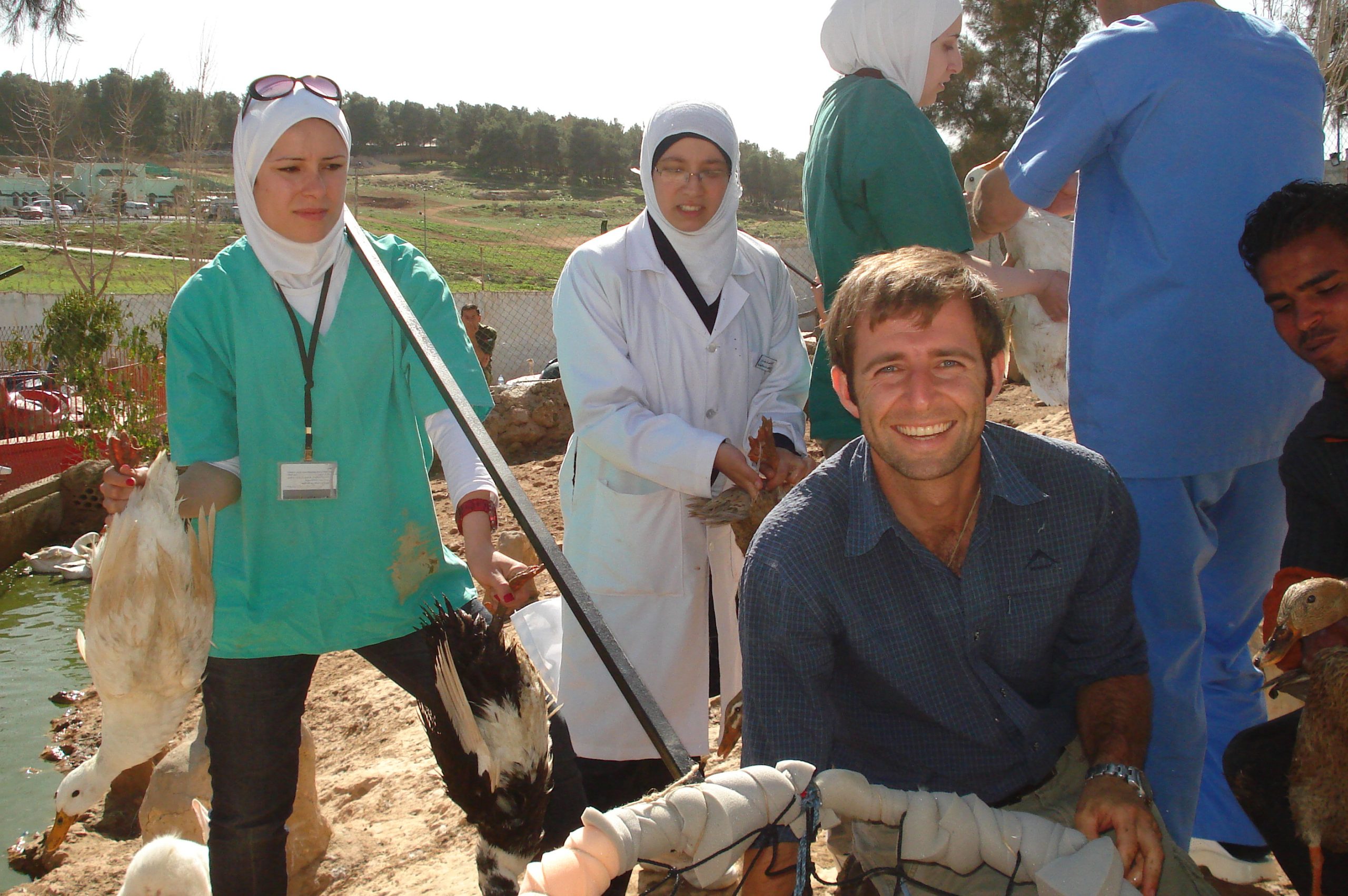
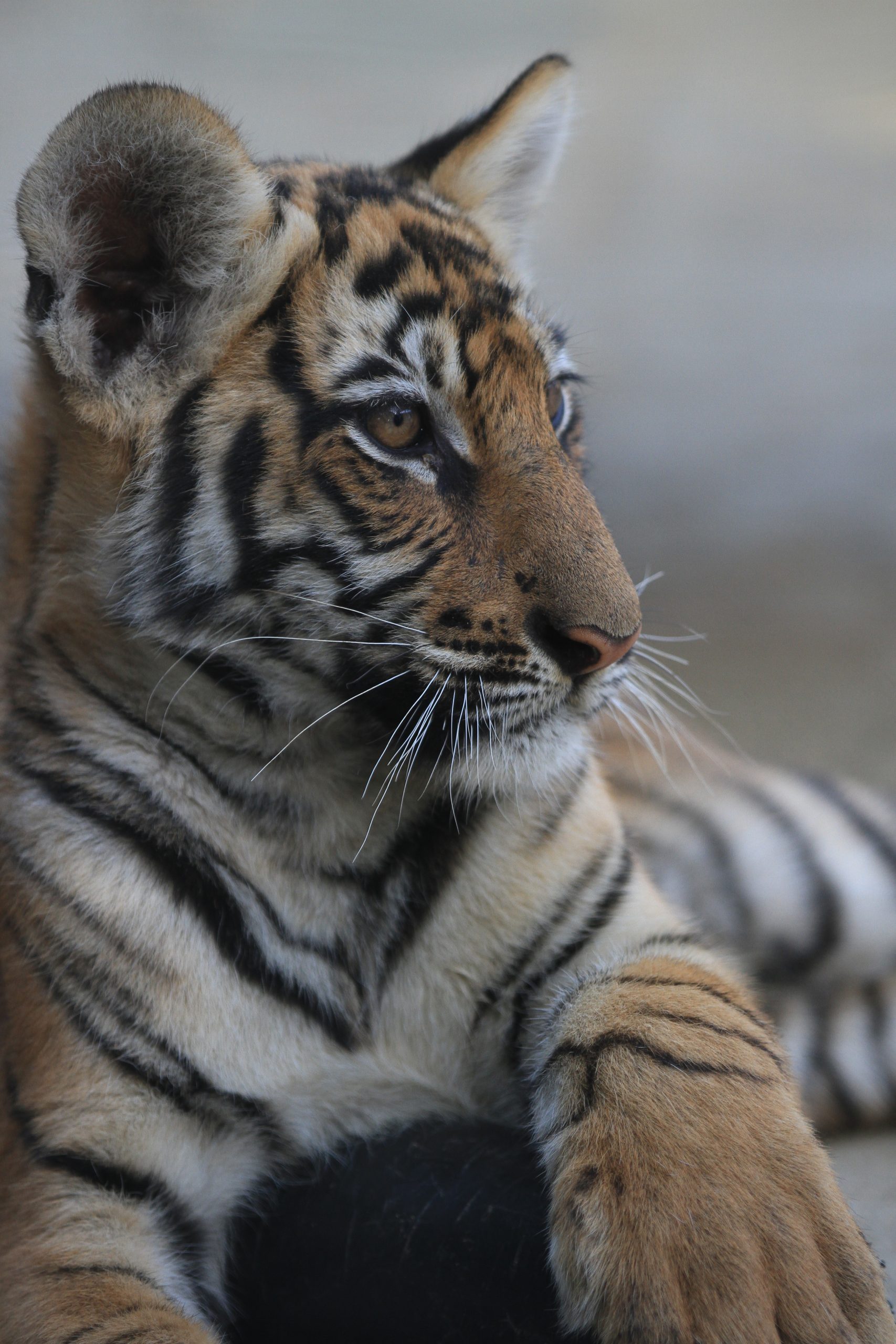
Over the years I have had the honour of working with various groups involved in humane causes, some mainly concerning humans, such as the society for development for Rural women, some more directed to addressing the joint welfare of working animals and the people who rely upon them for their livelihoods such as The Brooke Hospital, and yet other groups who focus more specifically on the animal side of the matter. However all of these involve the interaction between humans and creatures, and in a wider way nature as a whole.
What became most clear is that Creation is truly an indivisible whole; what touches one part of it touches all. In today’s world of tough financial competition and vast populations,consideration towards others and humane behaviour tend to fall by the wayside. This is sometimes due to lack of knowledge, lack of suitable facilities, lack of time, and one frequently comes up against two arguments: one, that the problem, in our region, is cultural; the second, that there are more pressing human issues than concern for the non human parts of Creation.
Both of these arguments are in fact erroneous. Our culture -as Arabs and even more so as Muslims- totally forbids inhumane behaviour and disrespect towards our fellow beings, whether human, animal, or plant. This being the case , and these rules having been set very specifically and clearly at a time when humans were also facing hardships and struggling to survive, the argument that such things are less important today is rendered null and void.
In order to clarify these facts and to both educate and empower Muslims who are ignorant or careless of Islam’s true teachings, and also in order to clarify this to our non Muslim brethren and attempt to address the various problems we encounter regularly- I was encouraged to establish the PAF along with a nucleus of dedicated and motivated relatives and friends.
I hope that all who read this will support our initiatives, treat all Creation with Compassion and Respect- and help this world to be a more humane and thus hopefully a better place for all.
Alia Al Hussein
Founder of the Princess Alia Foundation
Growing Together
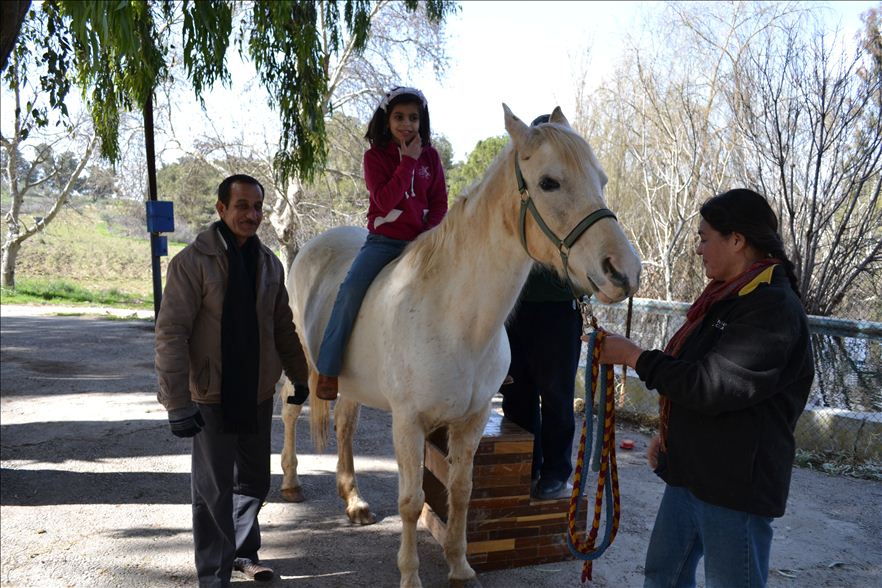
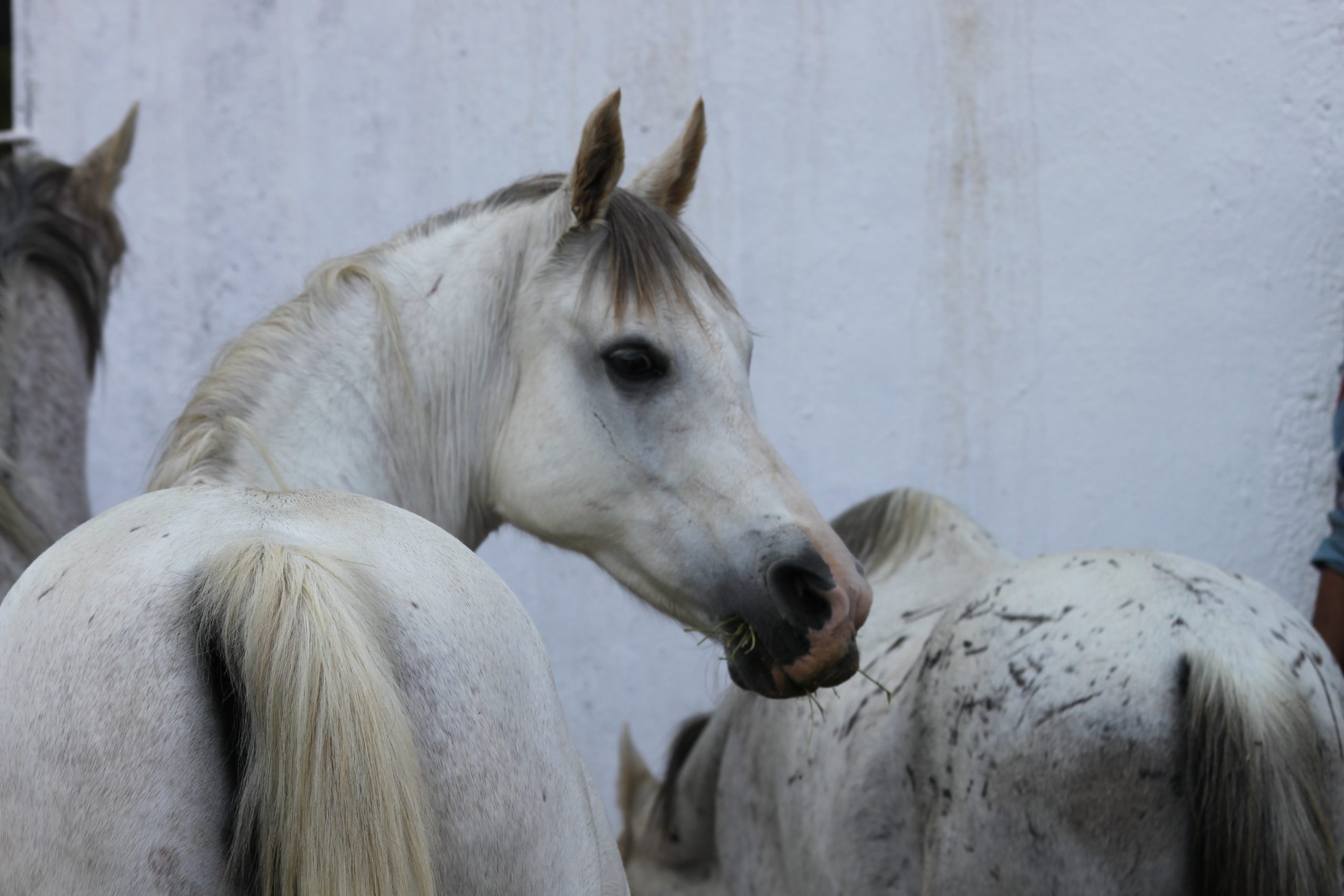
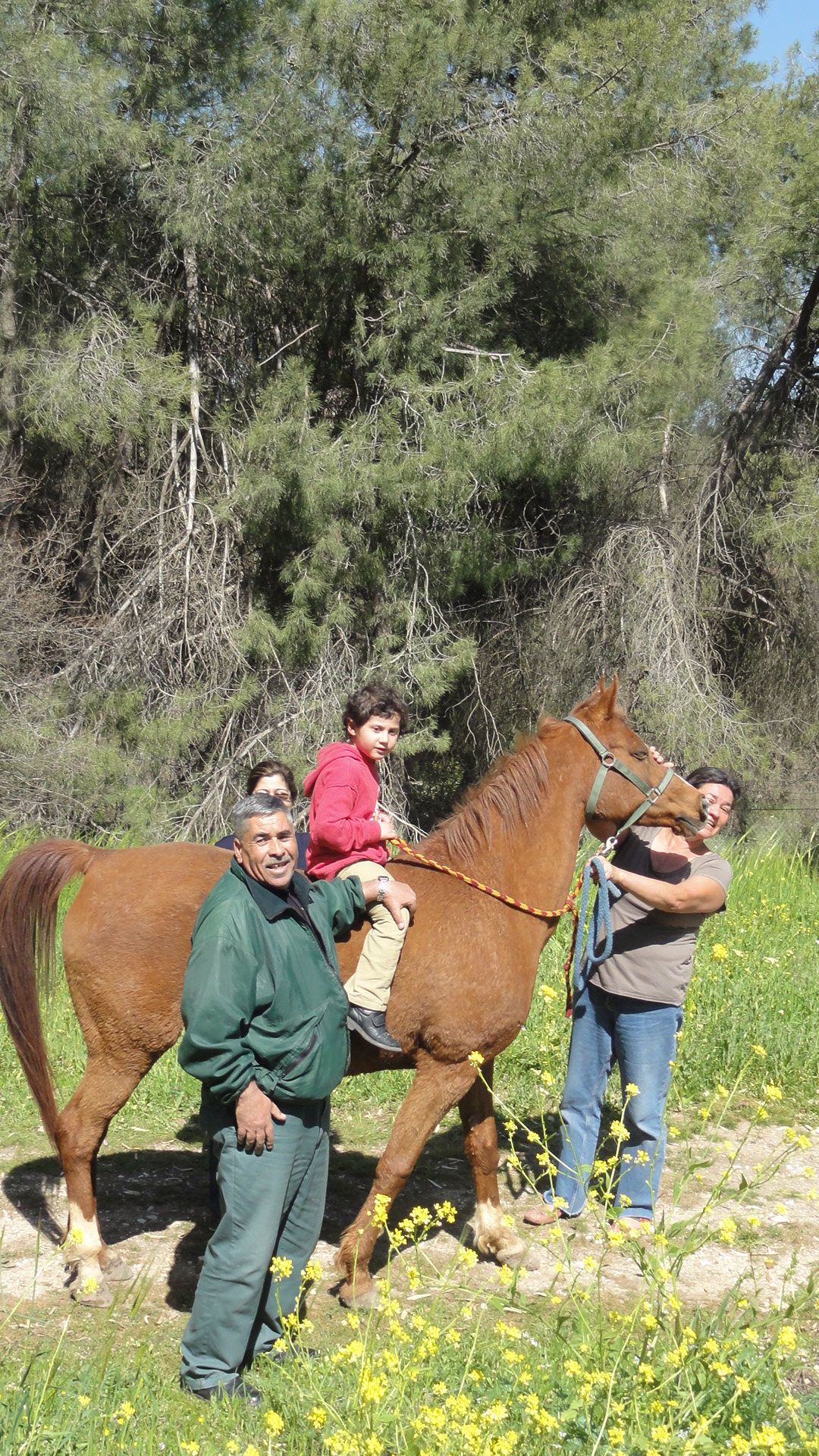
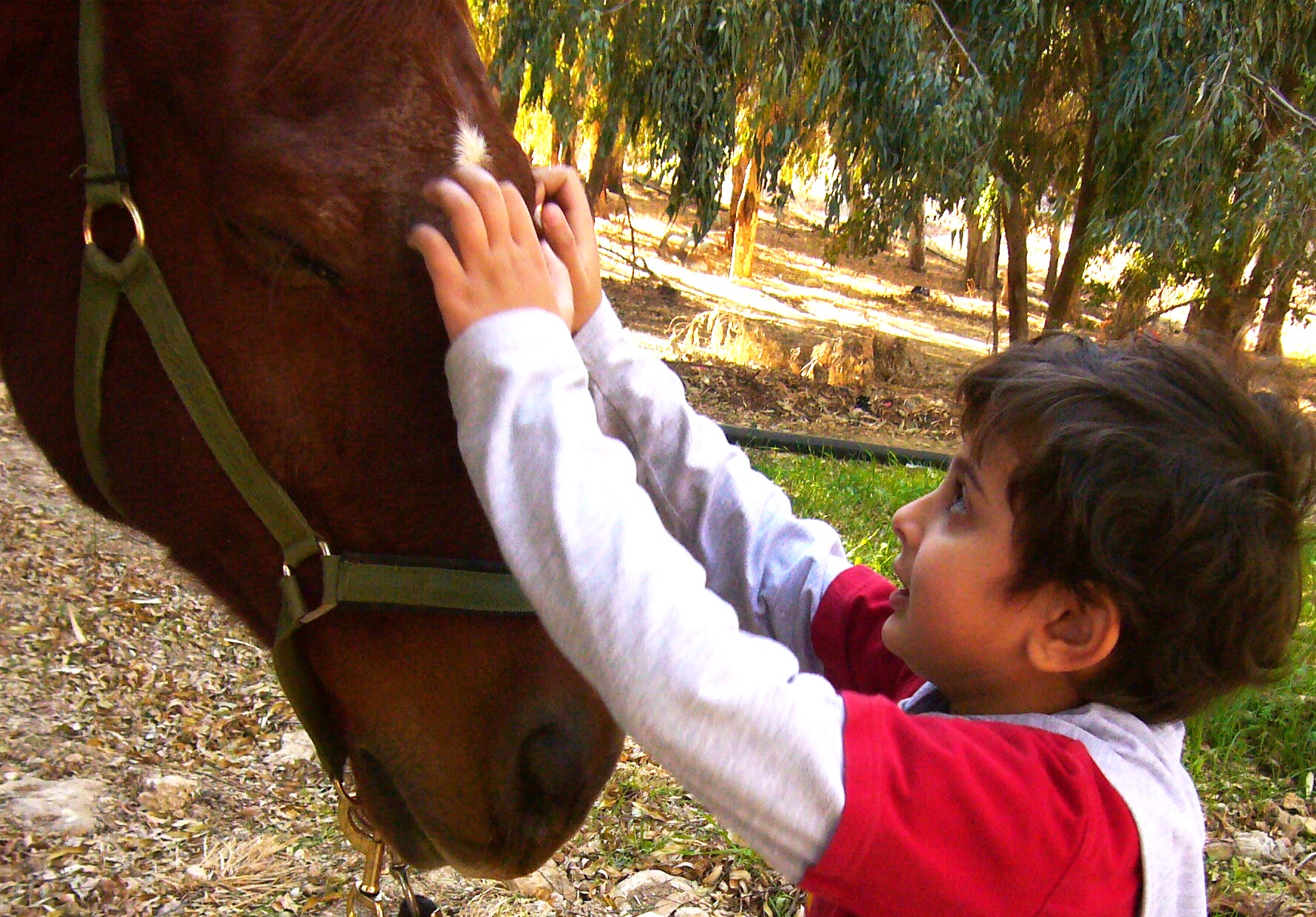
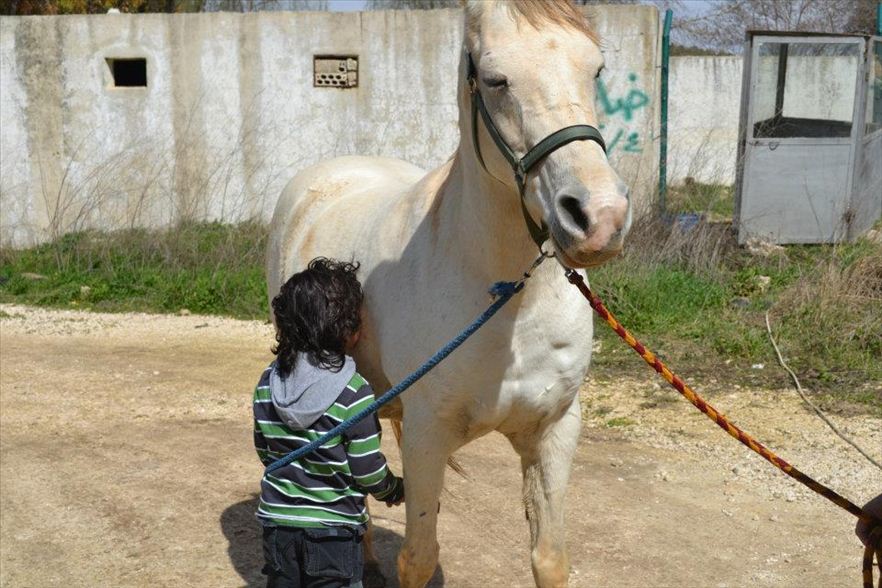
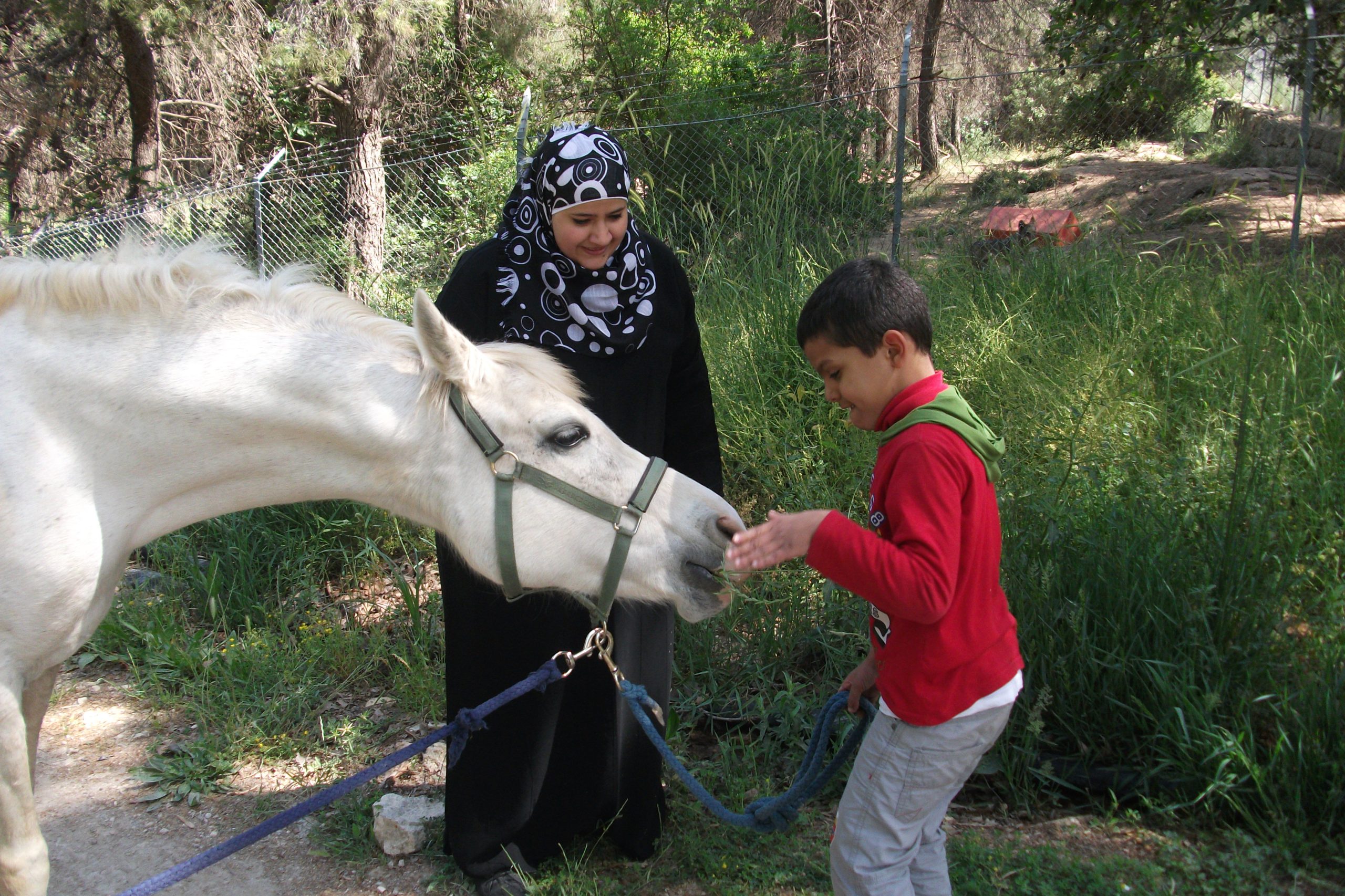
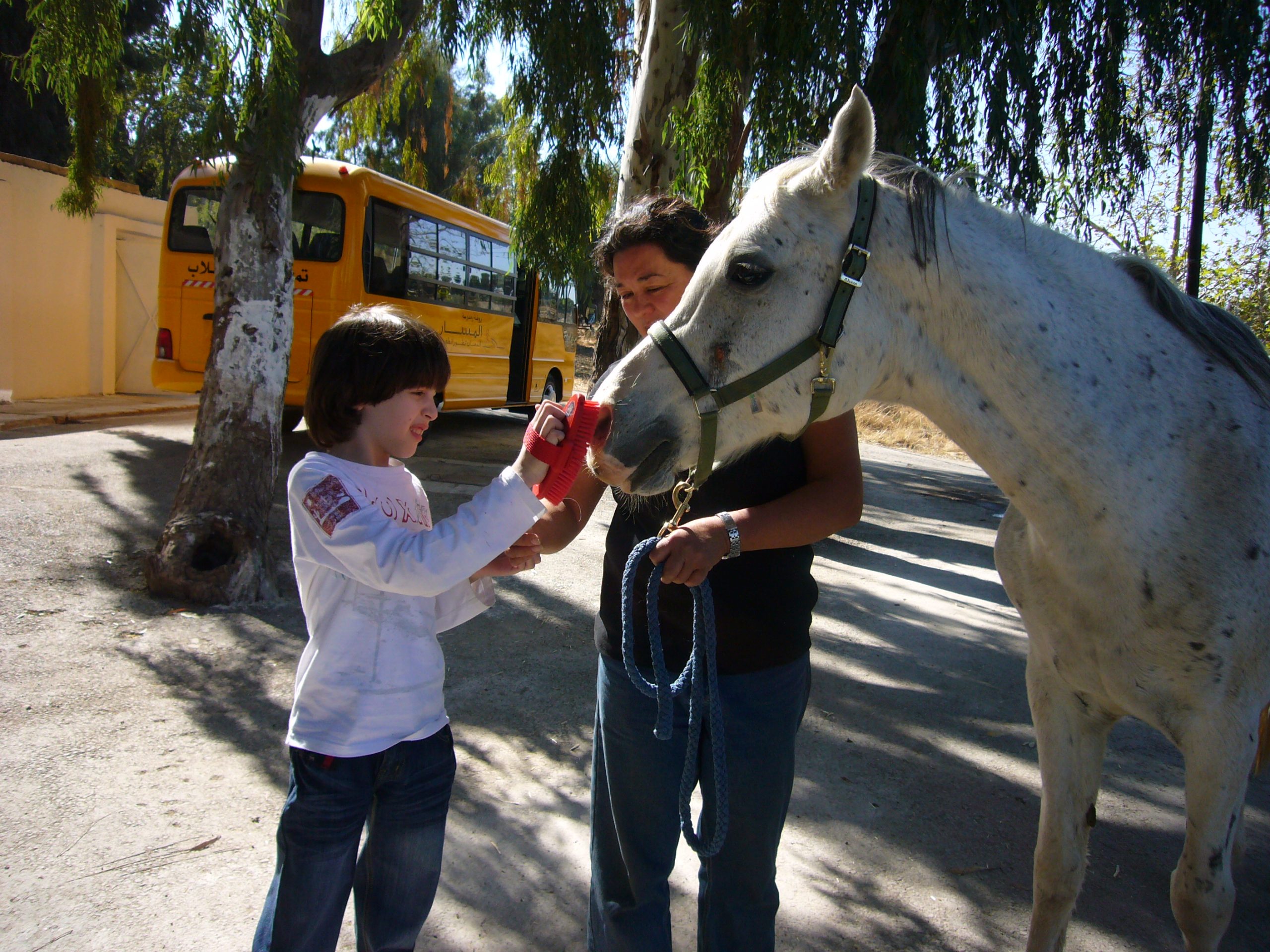
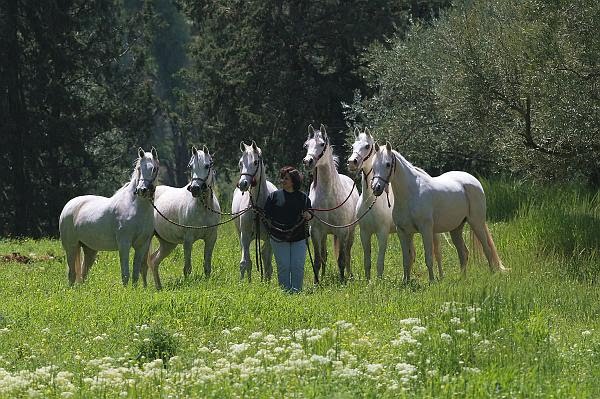
The Growing Together programme is based upon the basic principles of the Horse Boy Method and draws upon the inherent resources of rescued and rehabilitated Arabian horses. Growing Together provides young people on the autistic spectrum with an opportunity to interact with other living creatures in a natural environment and to explore their own connection with the earth around them in a holistic way.
While maintaining the natural integrity of the flora and fauna, the site for Growing Together has been purposely designed for young people on the autistic spectrum, incorporating fresh running water, aromatic plants, sensory play areas and nature walks. There are also specific parts of the site where children and their carers/therapists can either relax or pursue their own routine occupational sessions.
Initially each child has a private introduction to the horses in order for the child to find its own level of interaction with the animal in question; although these first meetings may sometimes cause challenging behaviours, these usually disappear by the second session. Once the bond is made, the sessions can progress at the child’s chosen pace under the supervision of their carer and/or therapist.
Established by the Princess Alia Foundation in 2010, to provide children with special needs with a unique form of therapy. GT is offered free of charge to all children with the aim of providing the opportunity for active personal growth and healing for all regardless of their financial status.
36 children joined GT from various centre for autism, the number rising very quickly to 50. To date there are 1200 children with various special needs participating in GT.
The children arrive at the site with either their school and/or their parents. There must be a carer with each child when interacting with the horses. The GT programme includes the following elements of horse/child interaction:
- Grooming
- Feeding
- Watering
- Bathing
- Leading
- Riding (bare-back)
- Free play
All children are encouraged to participate in the above mentioned activities, however GT is a child-led programme; the children are the decision makers, with the belief that if they have control over their activities they will grow and develop positively with the understanding that they are able to make decisions and express their likes, dislikes and needs. GT provides them with a safe environment to practice and learn this valuable life skill.
Al Ma’wa for Nature and Wildlife
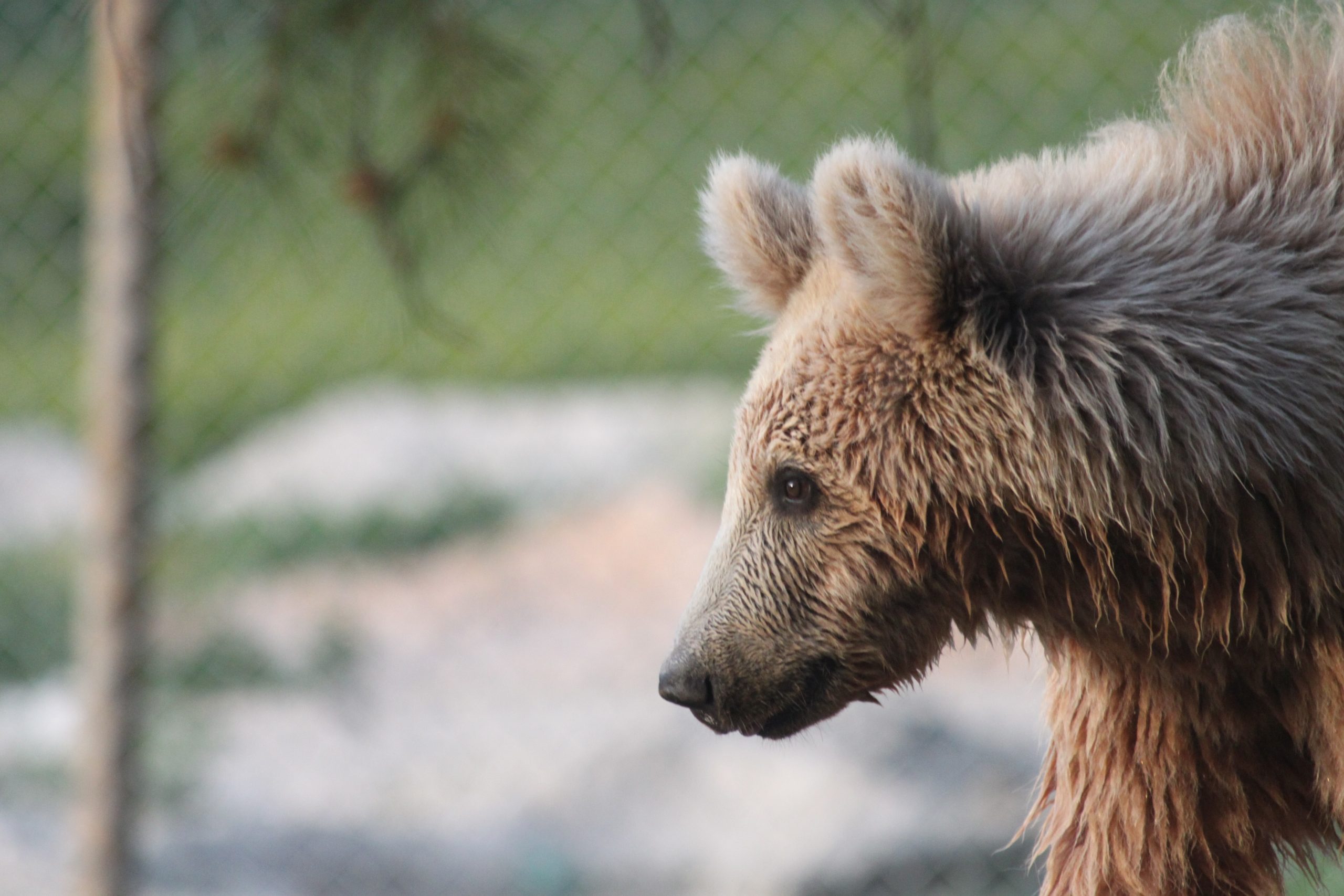
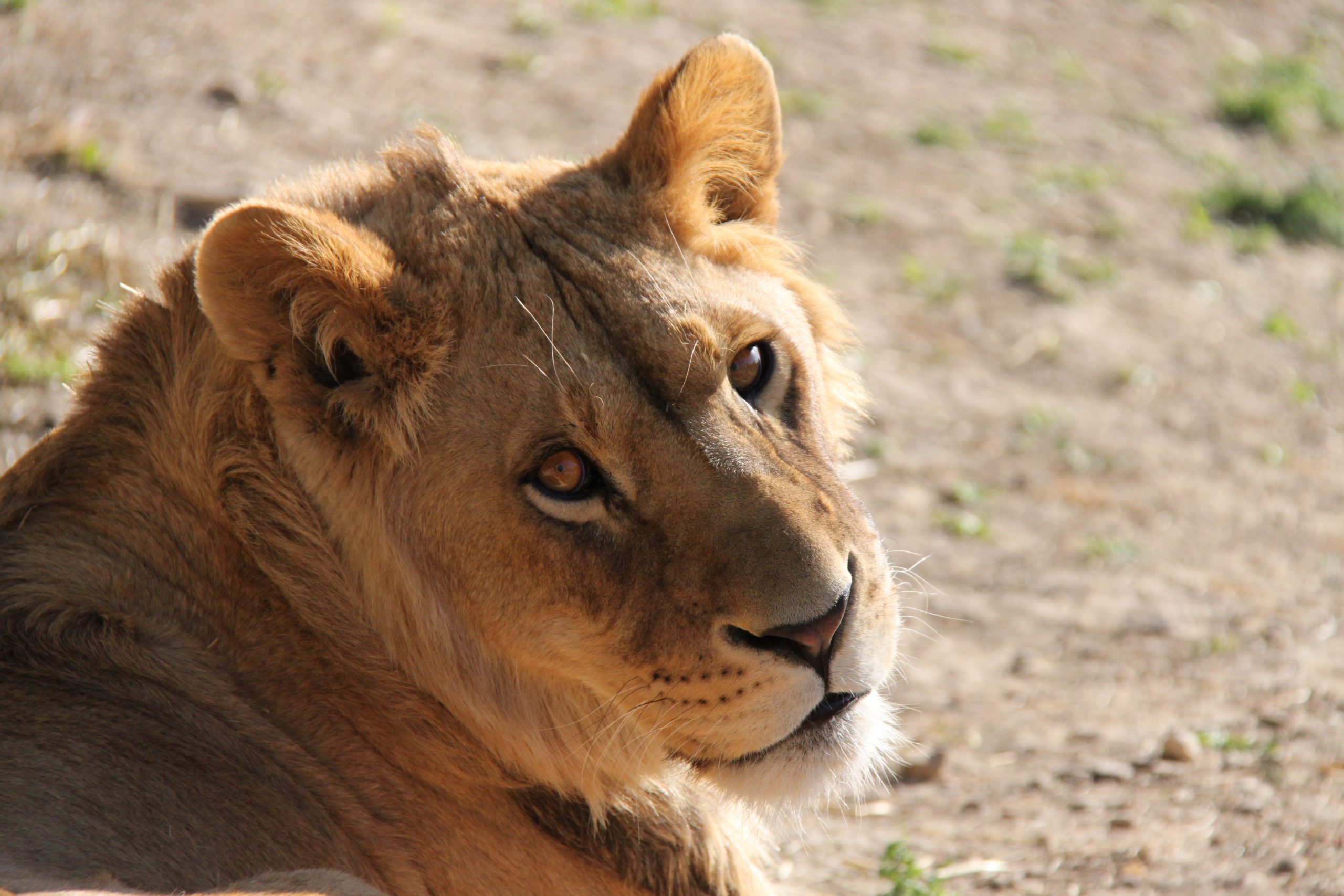
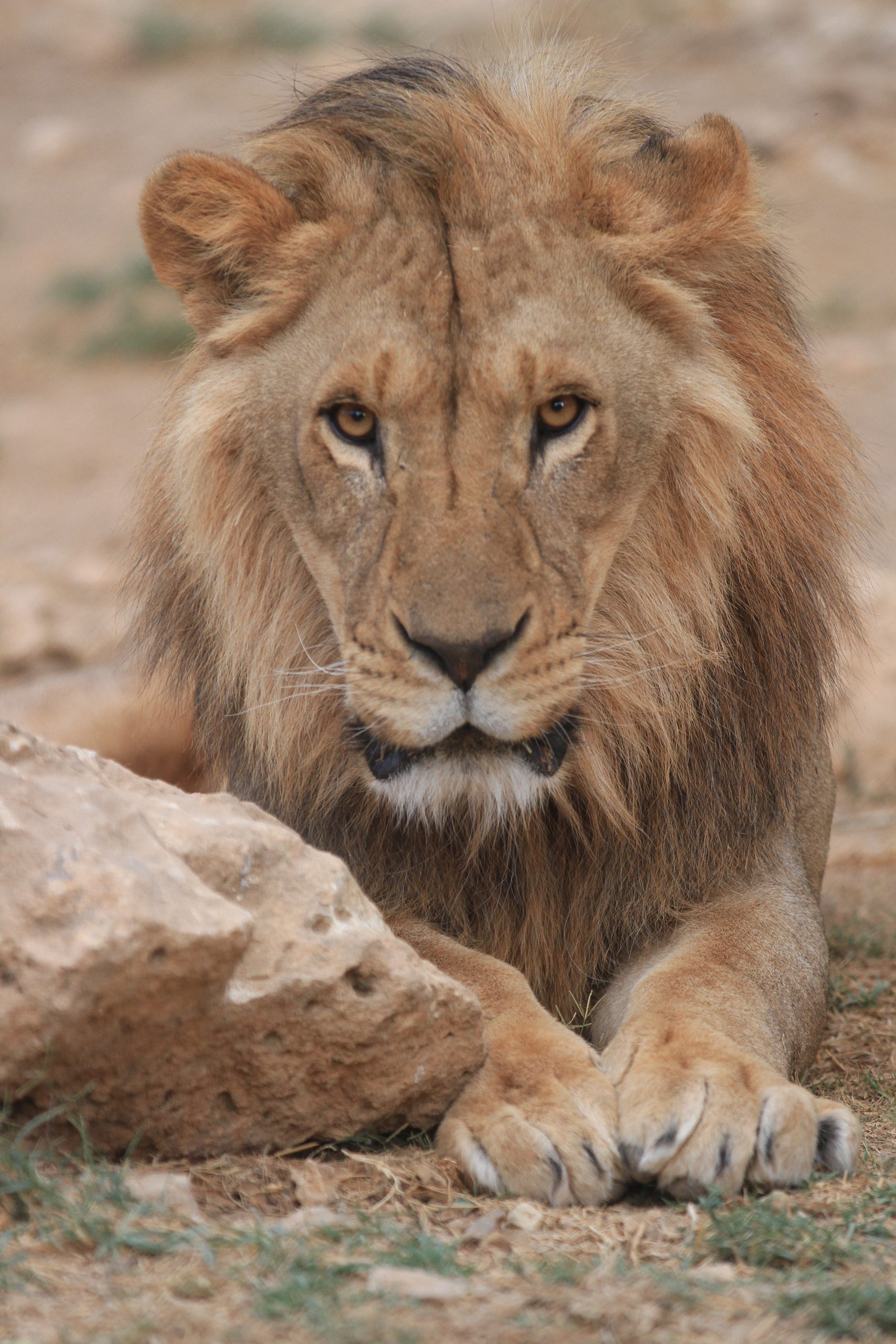
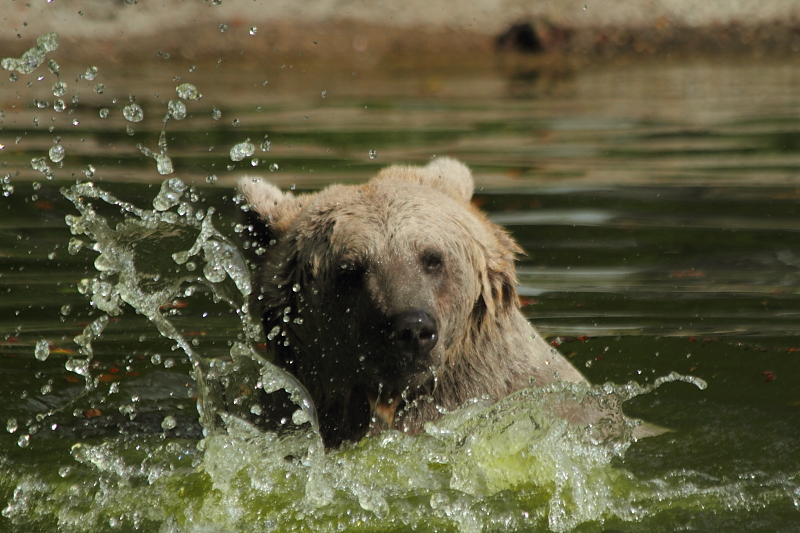
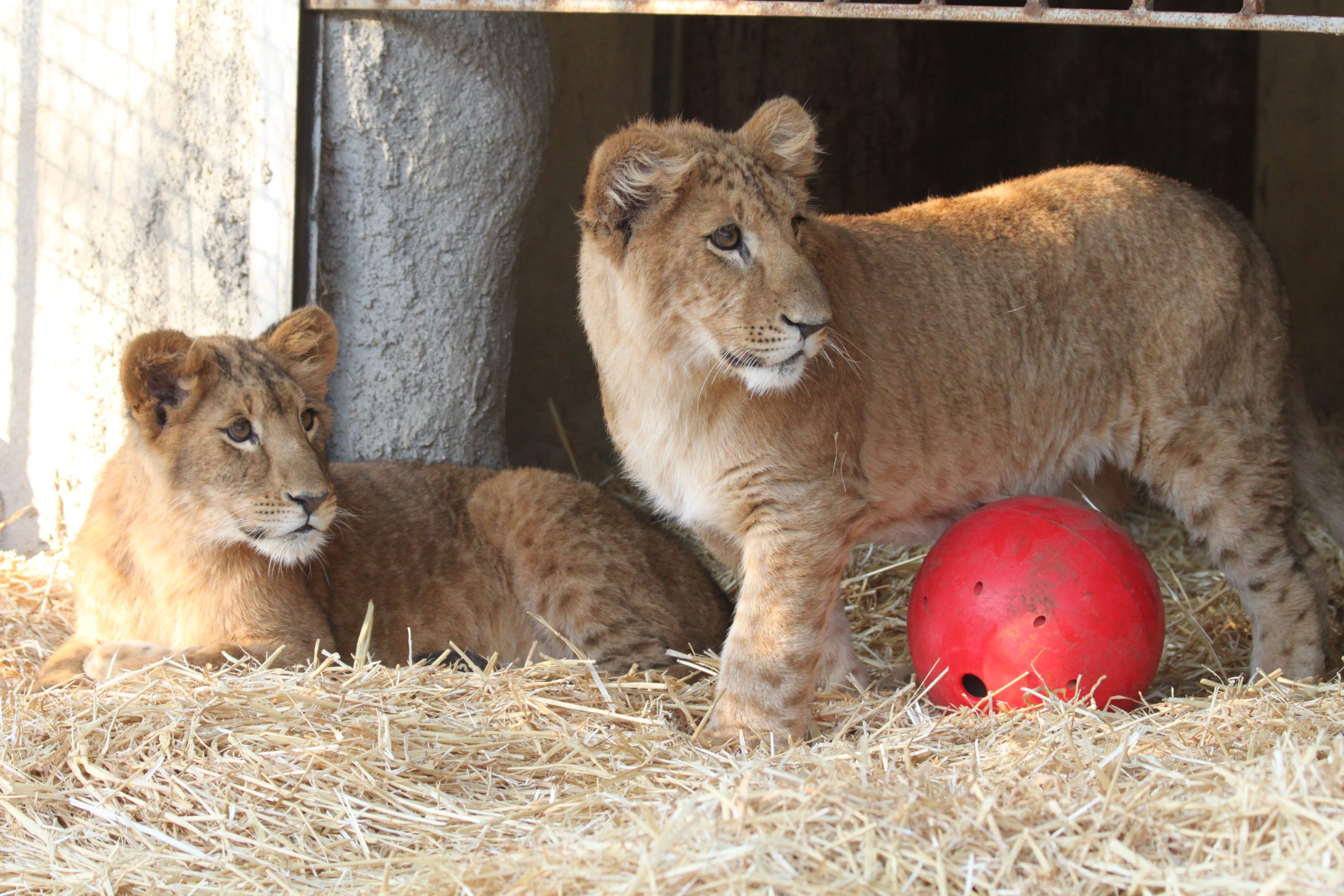
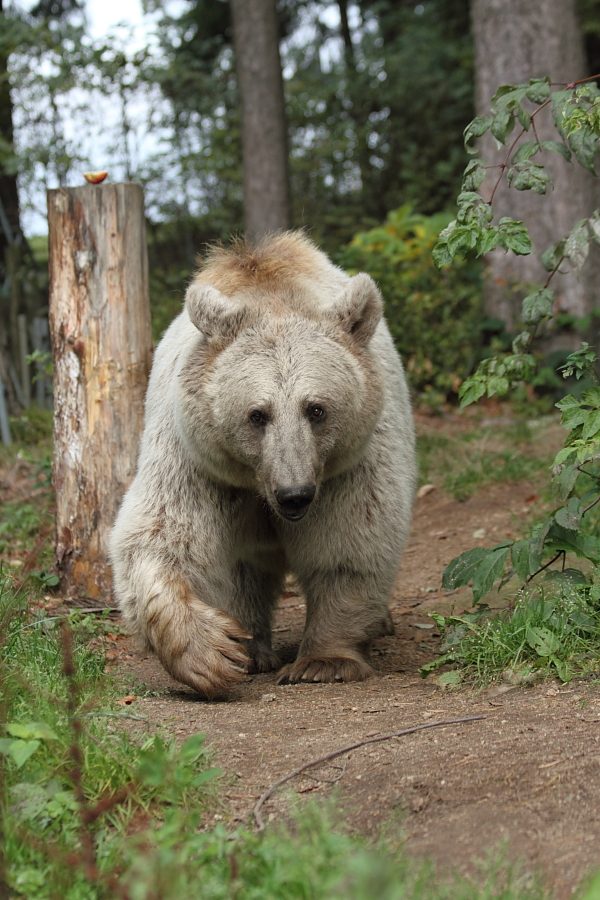
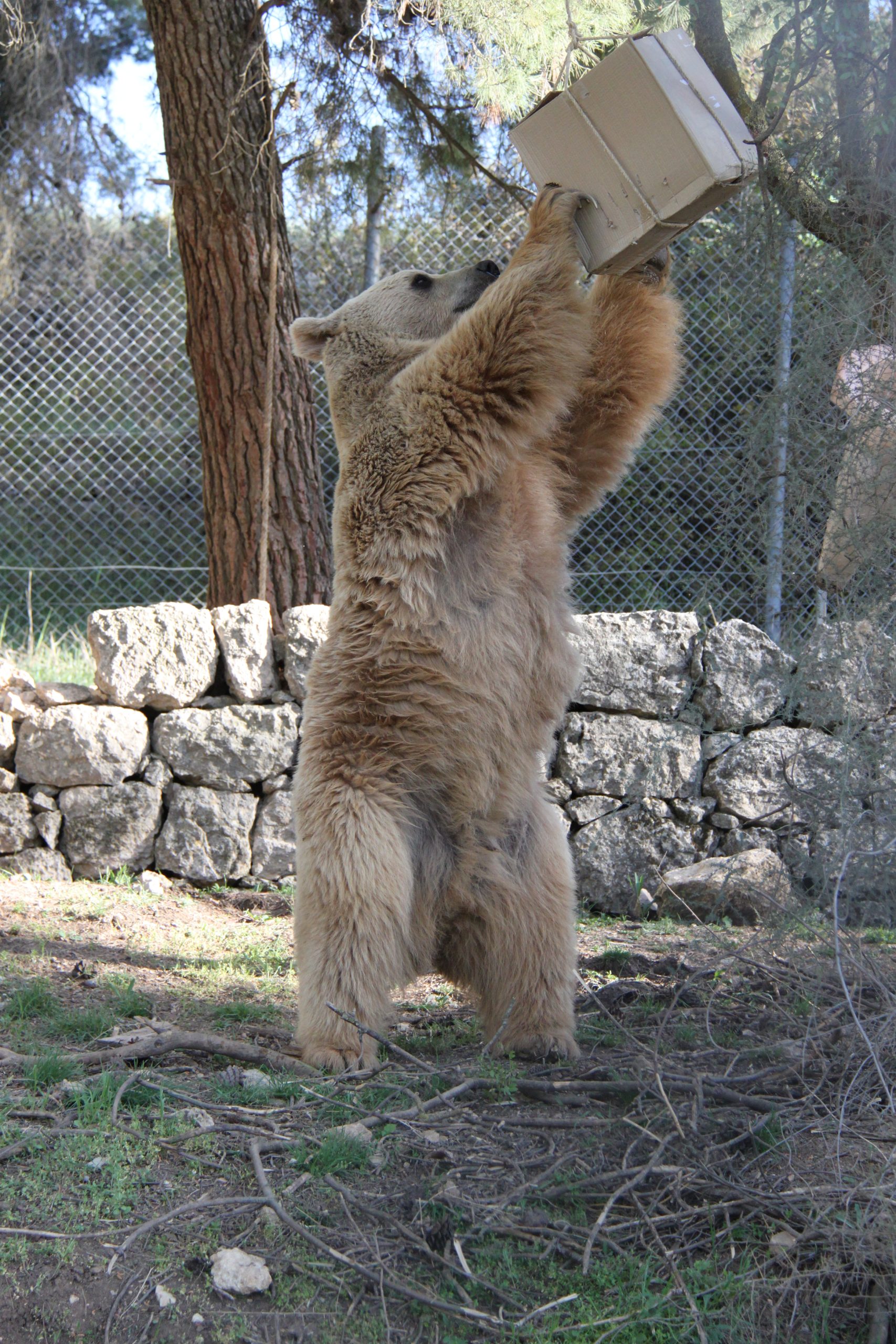
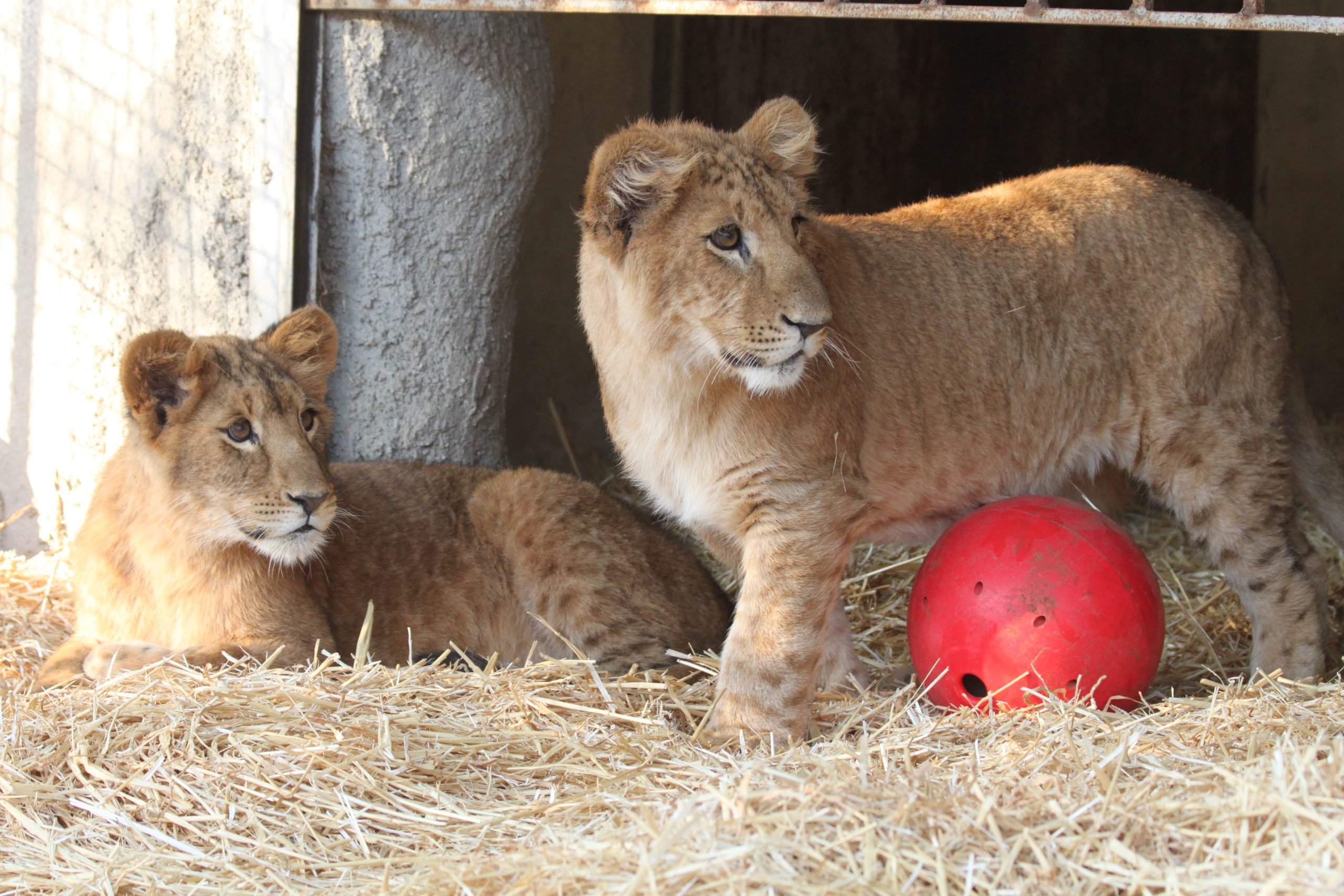
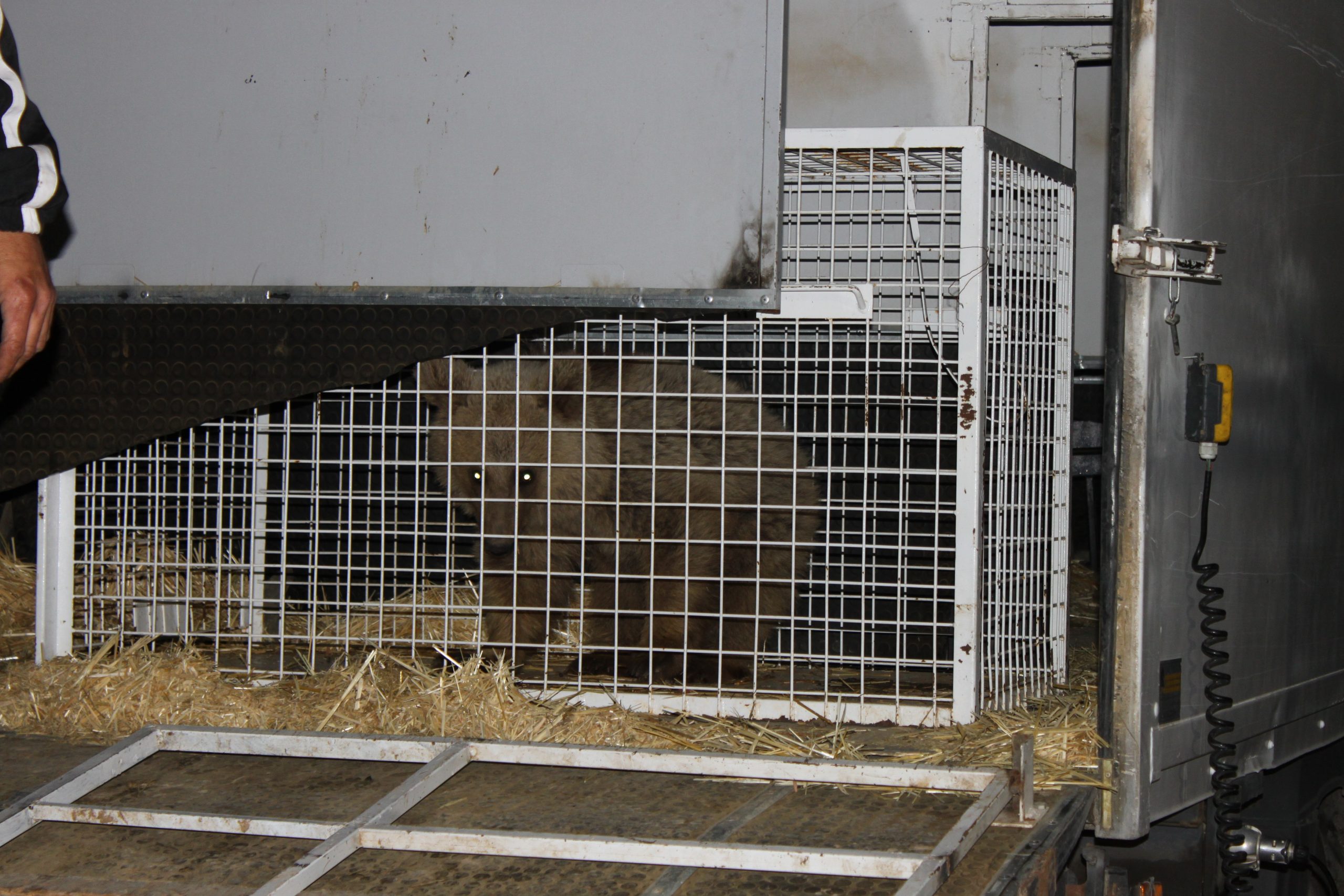
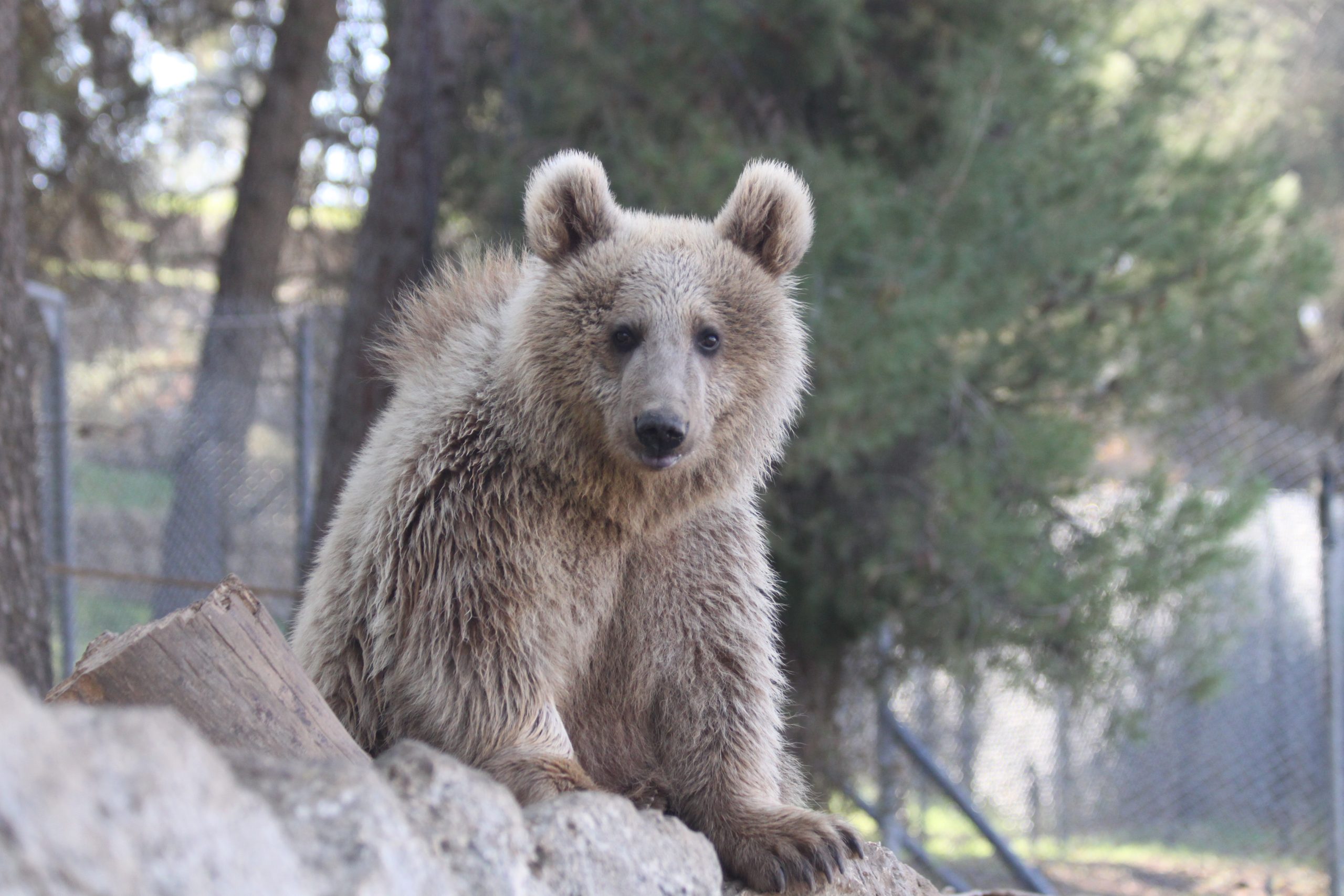
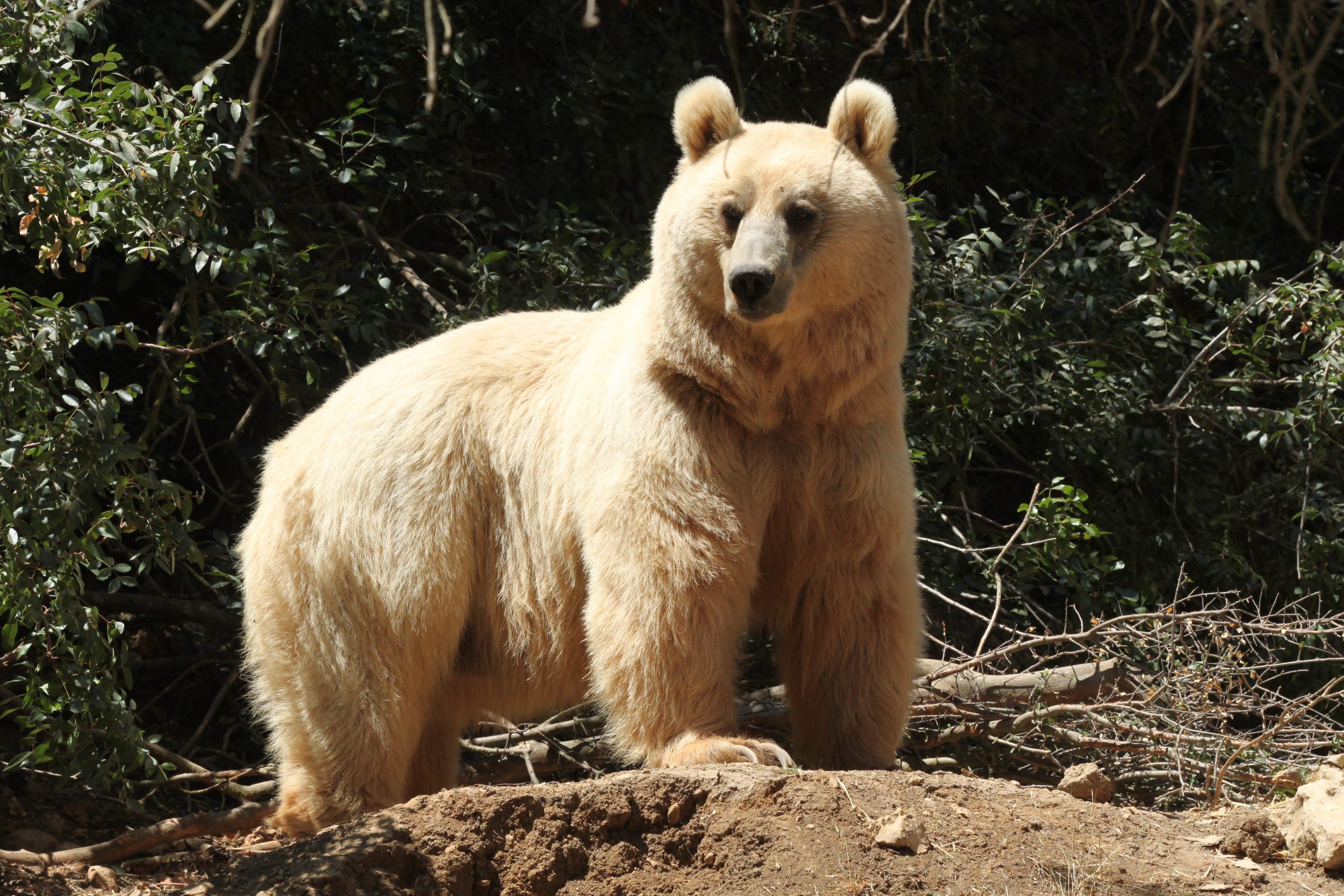
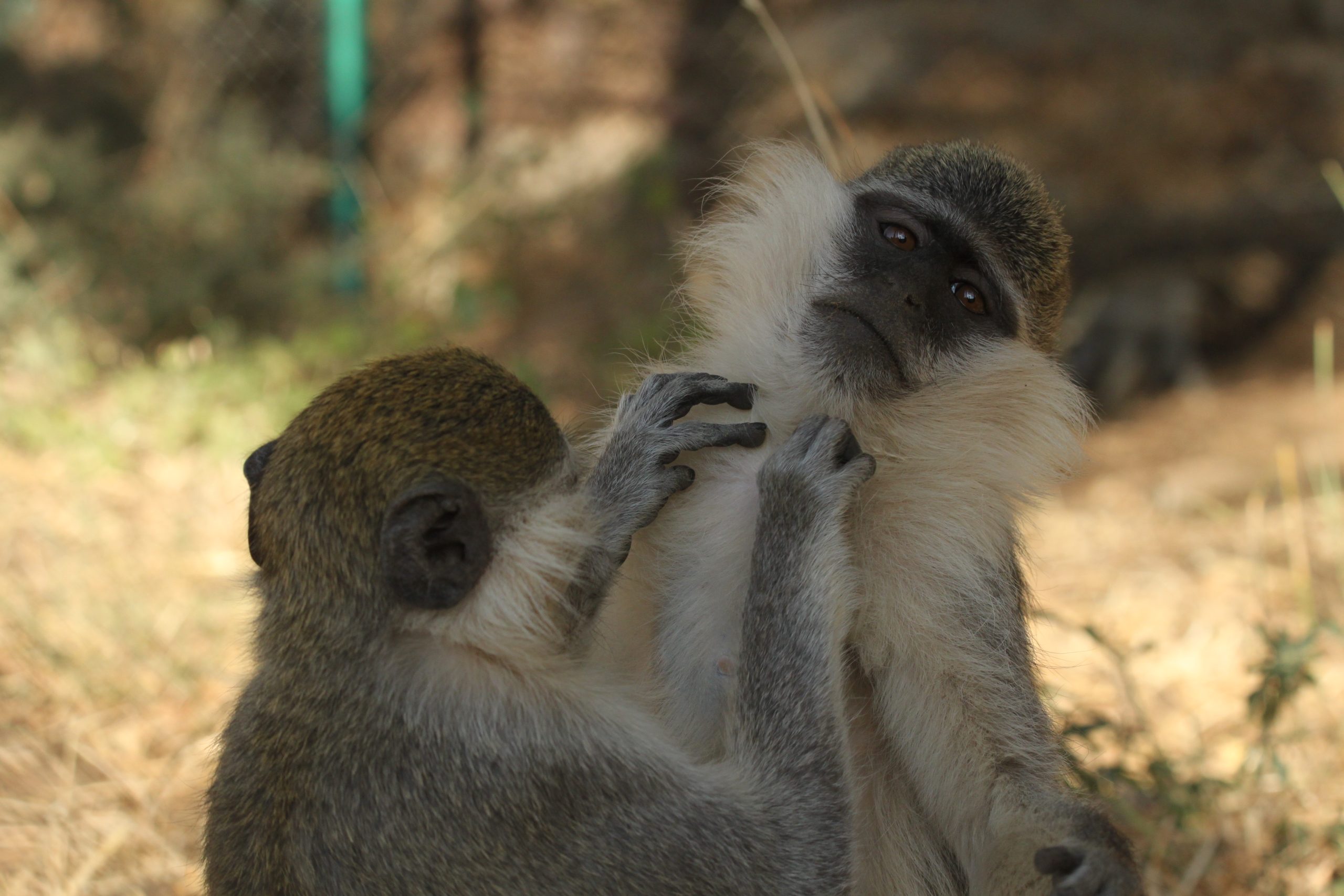
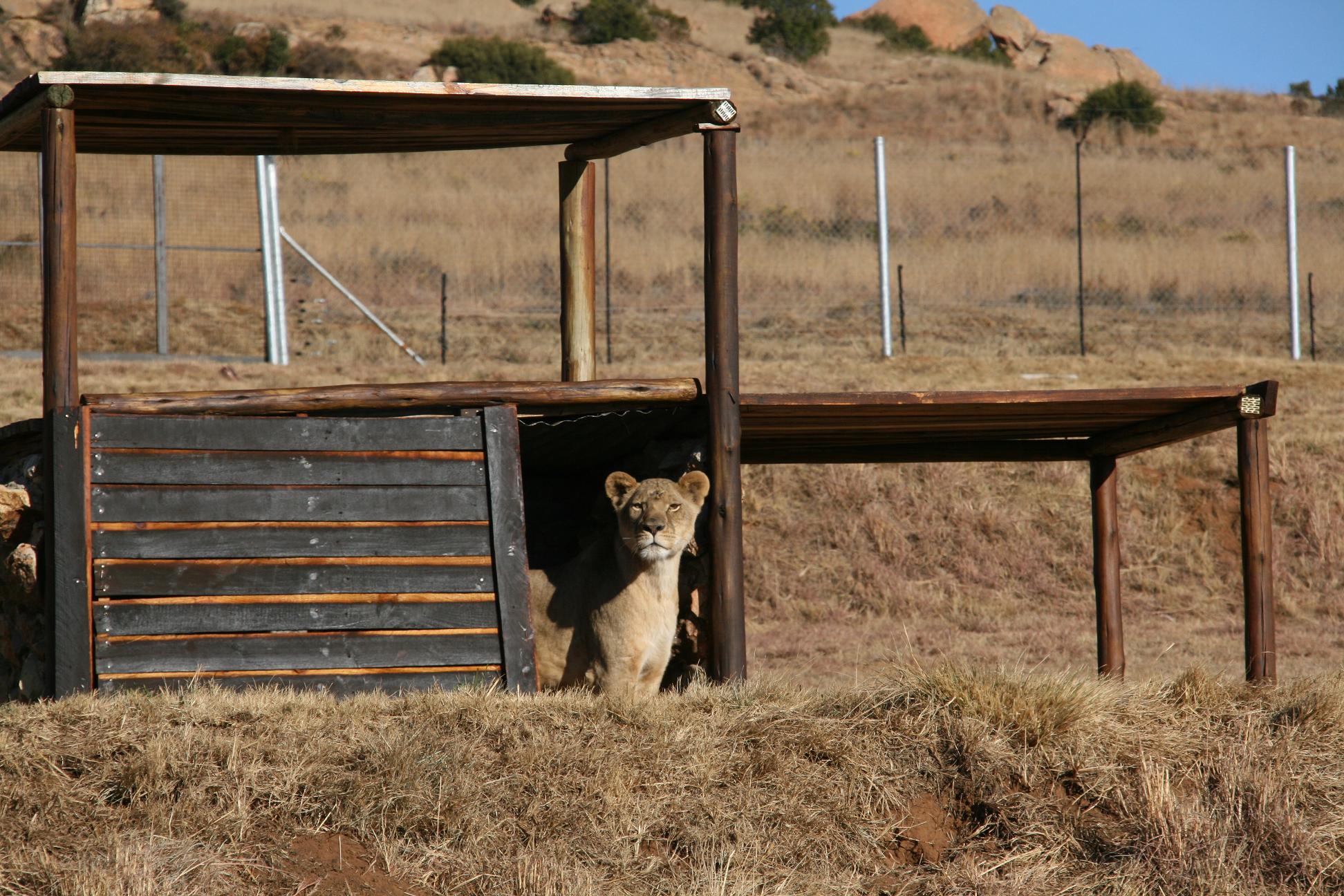
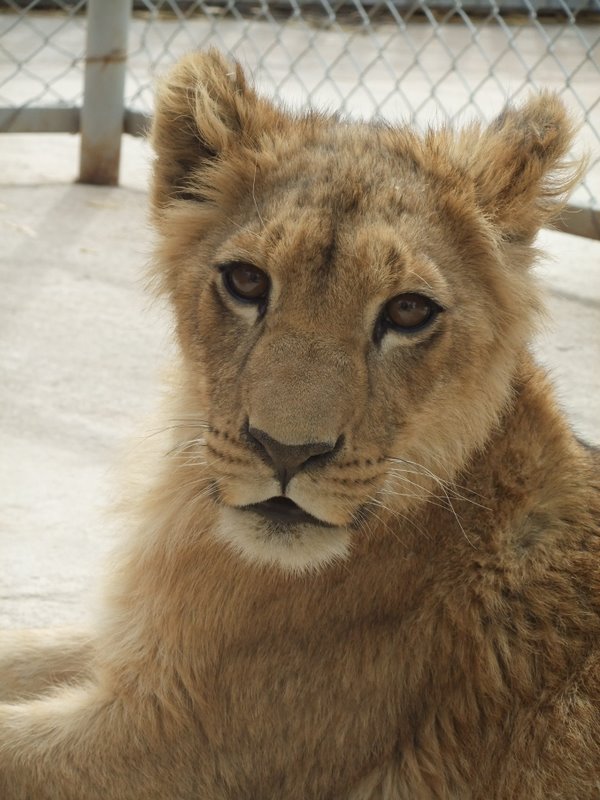
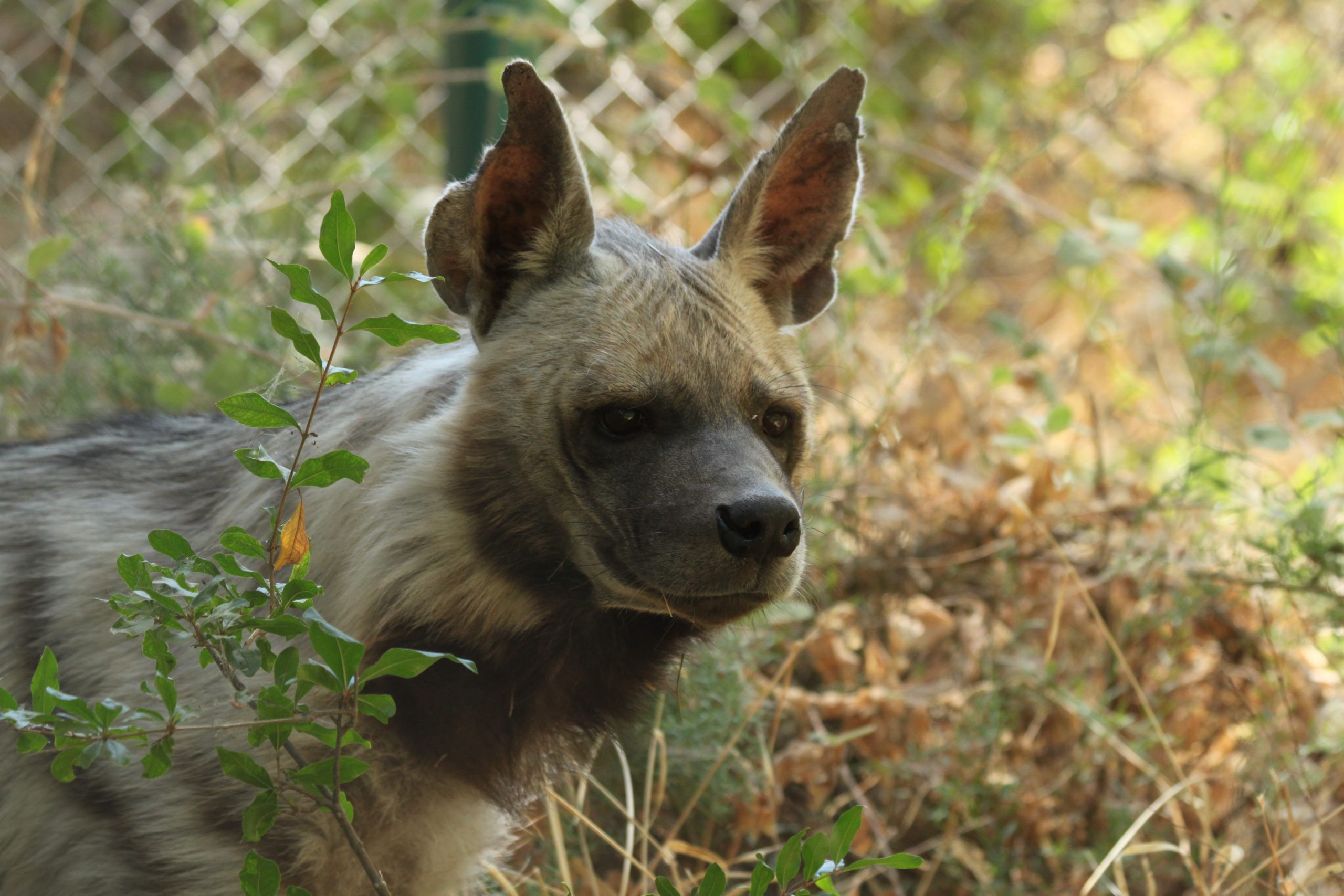
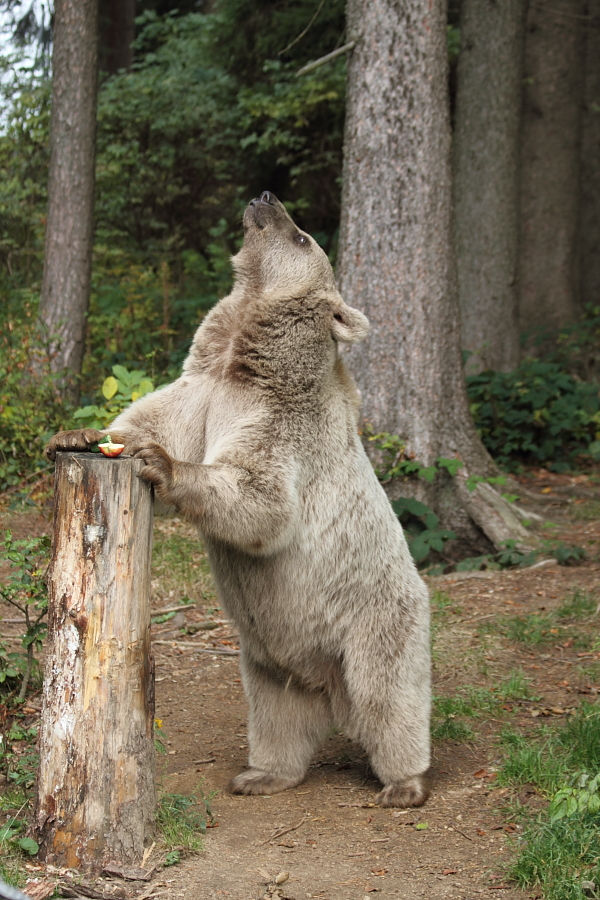
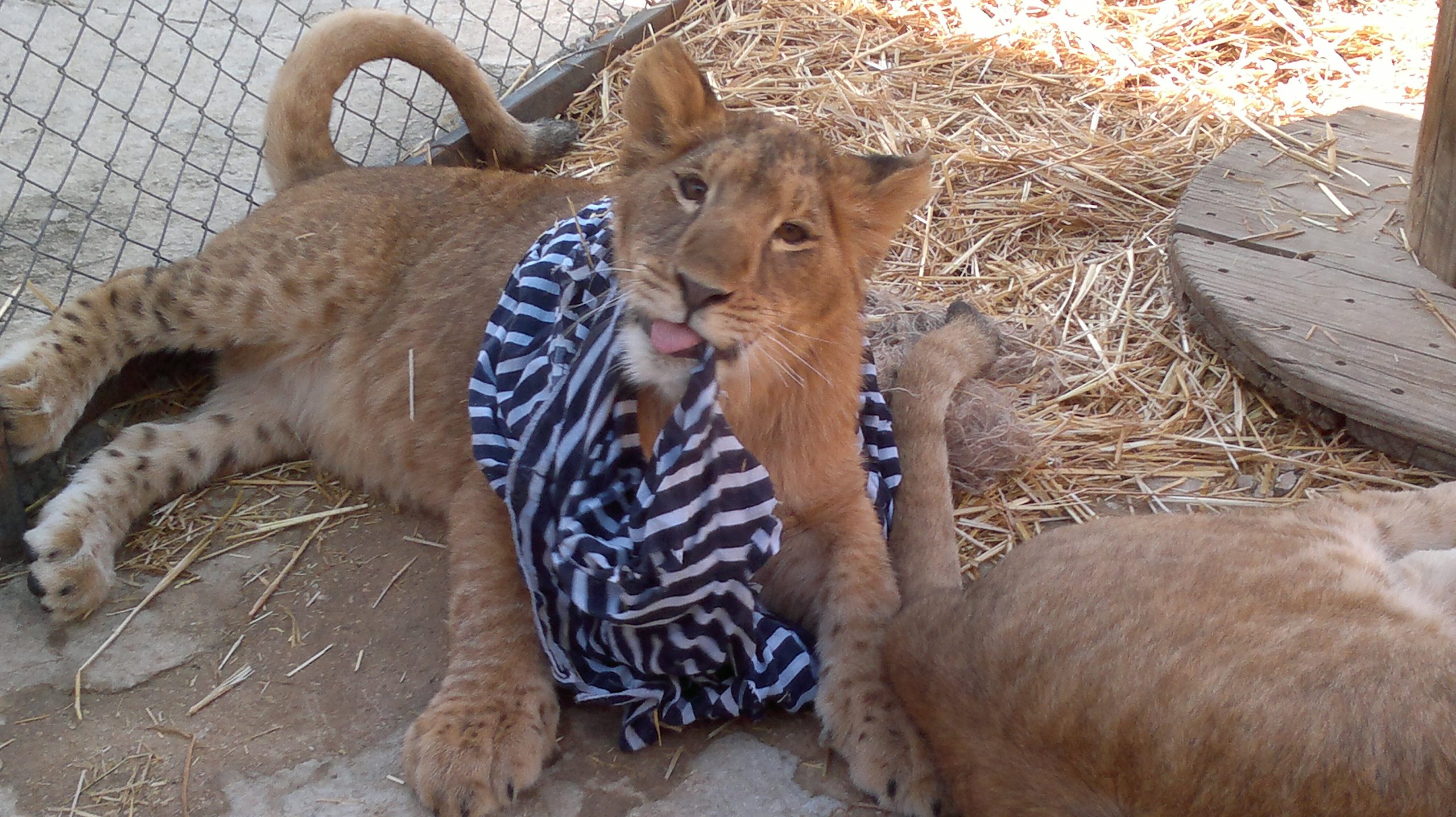
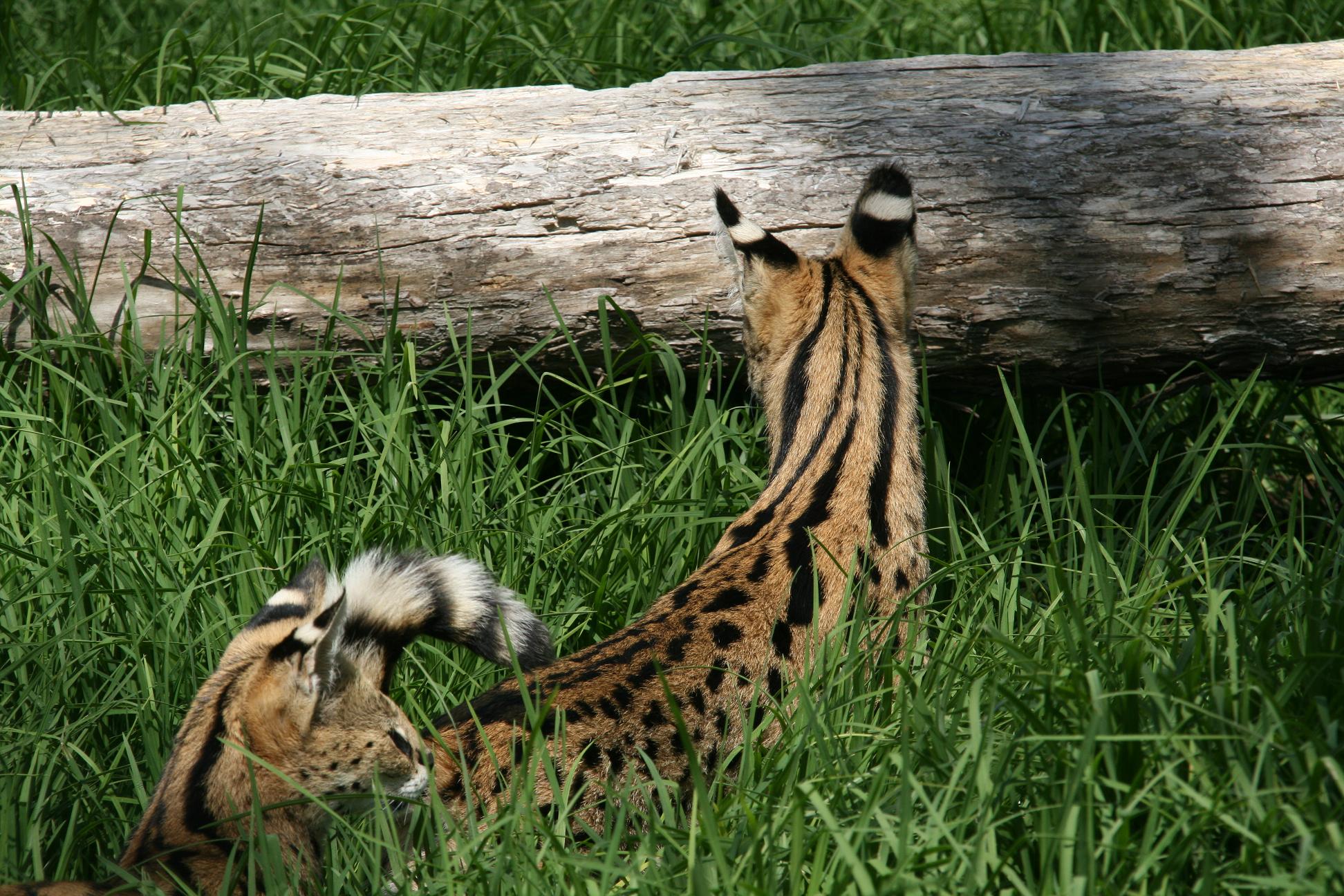
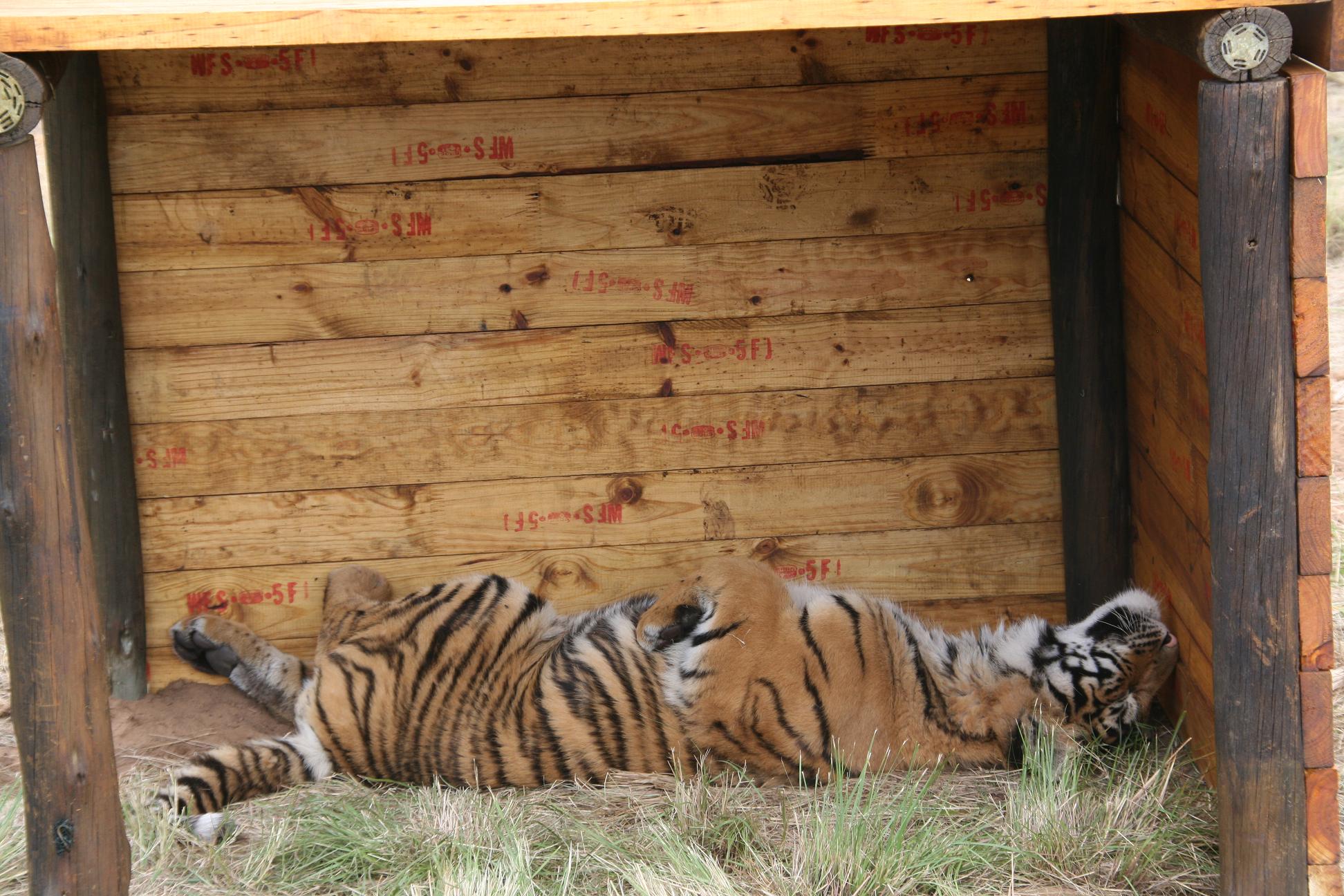
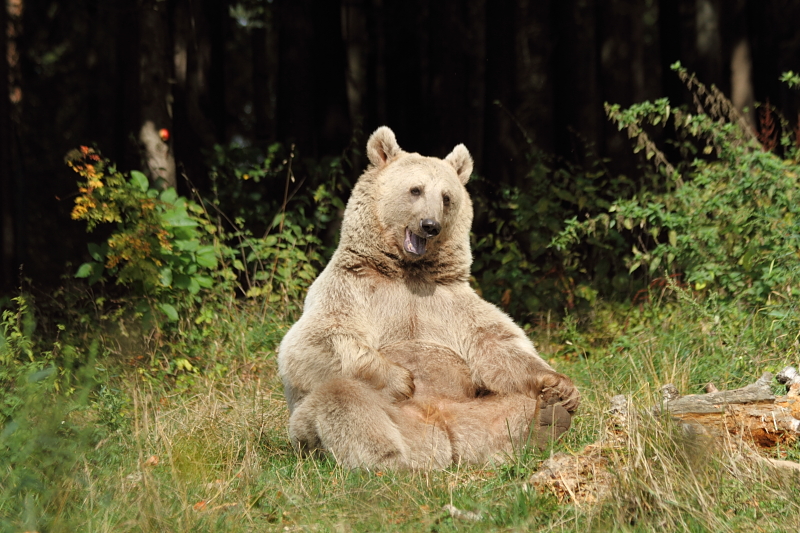
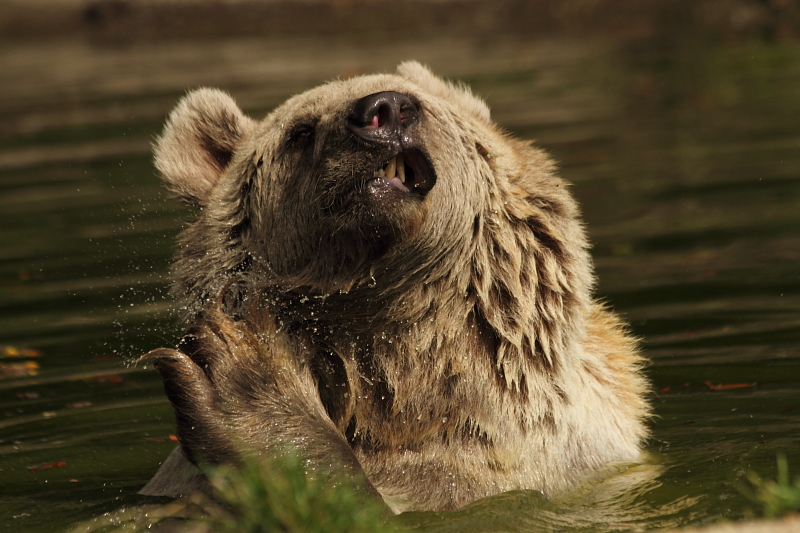
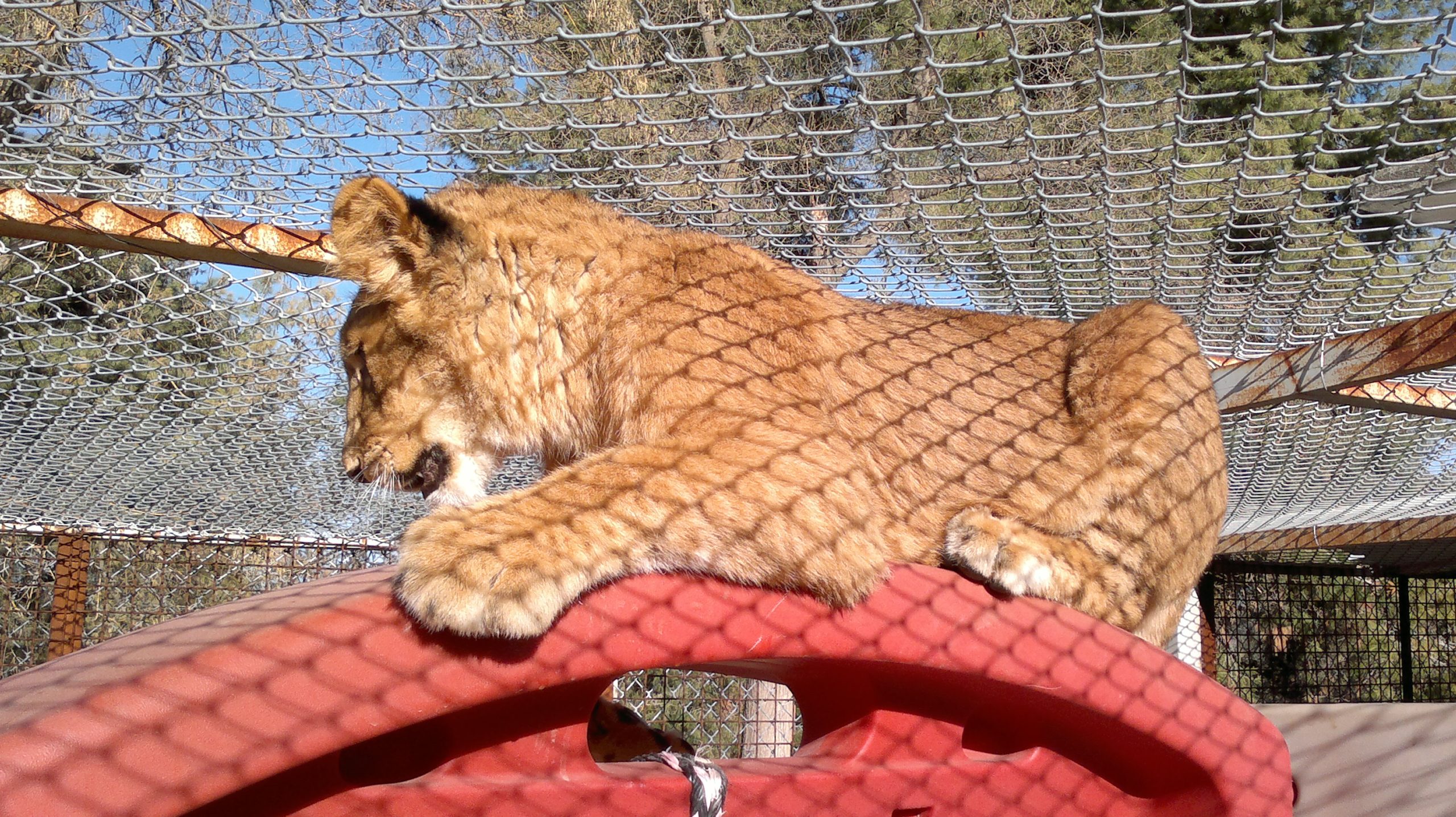
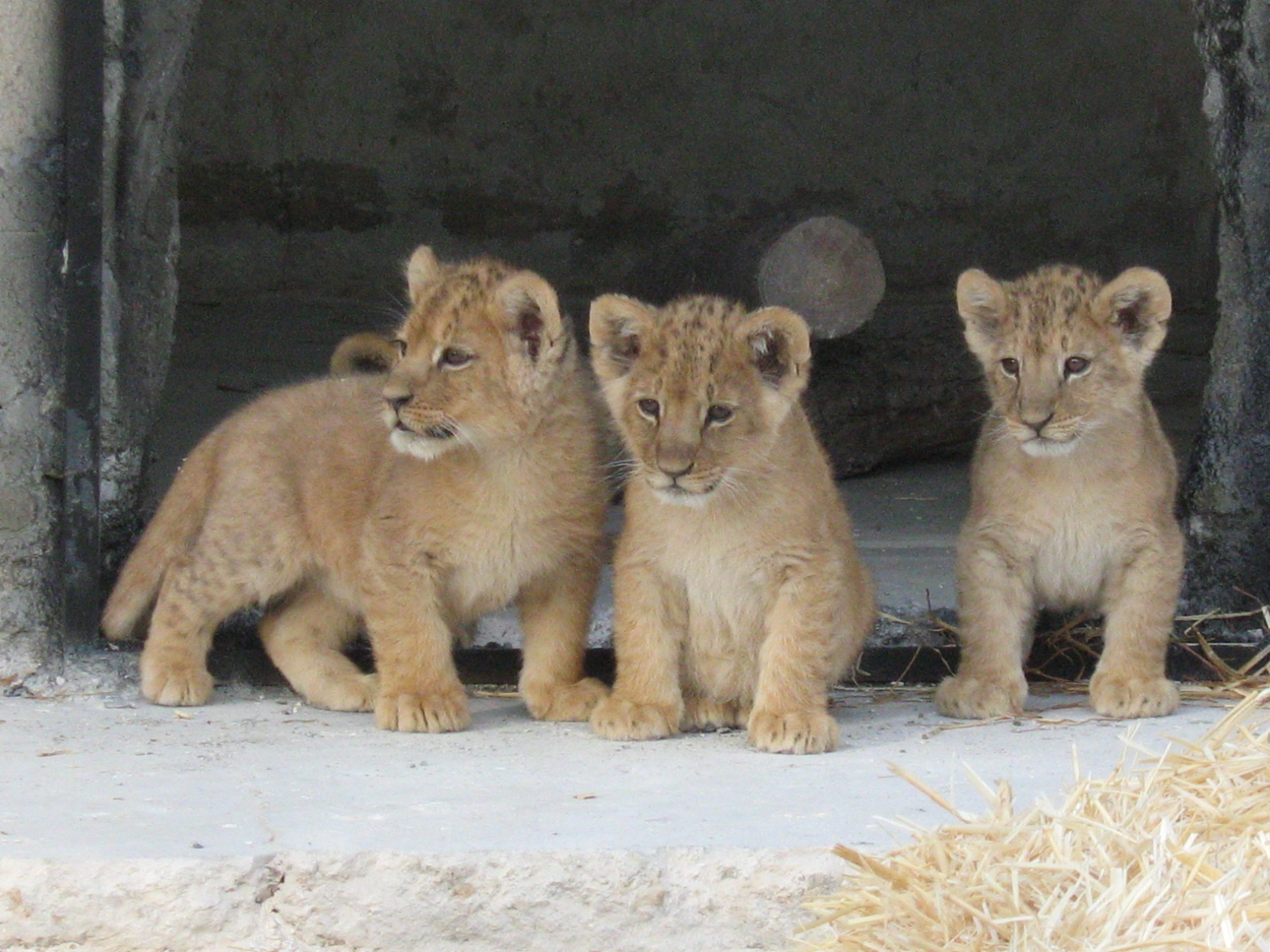
The preservation of wildlife across the world has become an issue of great concern as we see species become more endangered and some even reaching extinction. The illegal trade of wildlife is also a global problem, and the Middle East is becoming one of the more trouble areas in the illegal trade of wildlife. Many exotic animals are kept in private collections, or sold to circuses or other display facilities to be used for entertainment purposes. In many cases, as the animals grow to adulthood, their care becomes too expensive and difficult and they are sold to zoos, turned out into the desert to die or killed. Keeping conditions in zoos are usually poor. As many wild animals as possible are crammed into cages, as the main aim is to breed as many animals as possible. Cubs are often taken away from their mothers as soon as the age of 2 weeks to bring the female lion in back into oestrus quickly. These cubs get hand-raised and are used for entertainment purposes, such as photographs with tourists or sold in the illegal trade, which is in fact how many of these zoos sustain their operations. The illegal trade of such animals presents a further risk for the spread of zoonotic diseases across the borders of the countries the animals are transported through. One of the major problems facing governments and animal welfare groups is the fact that there is nowhere to keep the animals once they have been confiscated. In some cases appropriate placement of the animals in sanctuaries across the world has been possible; however this process cannot be sustained as many of the sanctuaries themselves have reached capacity. A Wildlife Sanctuary in Jordan will provide a solution to the issues above, creating a safe haven for the wildlife of Jordan and the region and providing people with the opportunity to experience animals as they should be kept.
Al Ma’wa Wildlife sanctuary will be established on 363 Dunnums of land in Souf, 37 Km north of Amman. The land has been assigned by the Ministry of Agriculture, Jordan, for the sole purpose of the establishment of a wildlife sanctuary by the Princess Alia Foundation and Vier Pfoten International Al Ma’wa wildlife sanctuary will provide large enclosures for different species of wildlife from Jordan and the region; which will be adapted to their specific needs. The sanctuary will guarantee these animals lifelong care in a species appropriate habitat.
For more information on Al Ma’wa for Nature and Wildlife please visit www.almawajordan.org
Learning Today – Leading Tomorrow
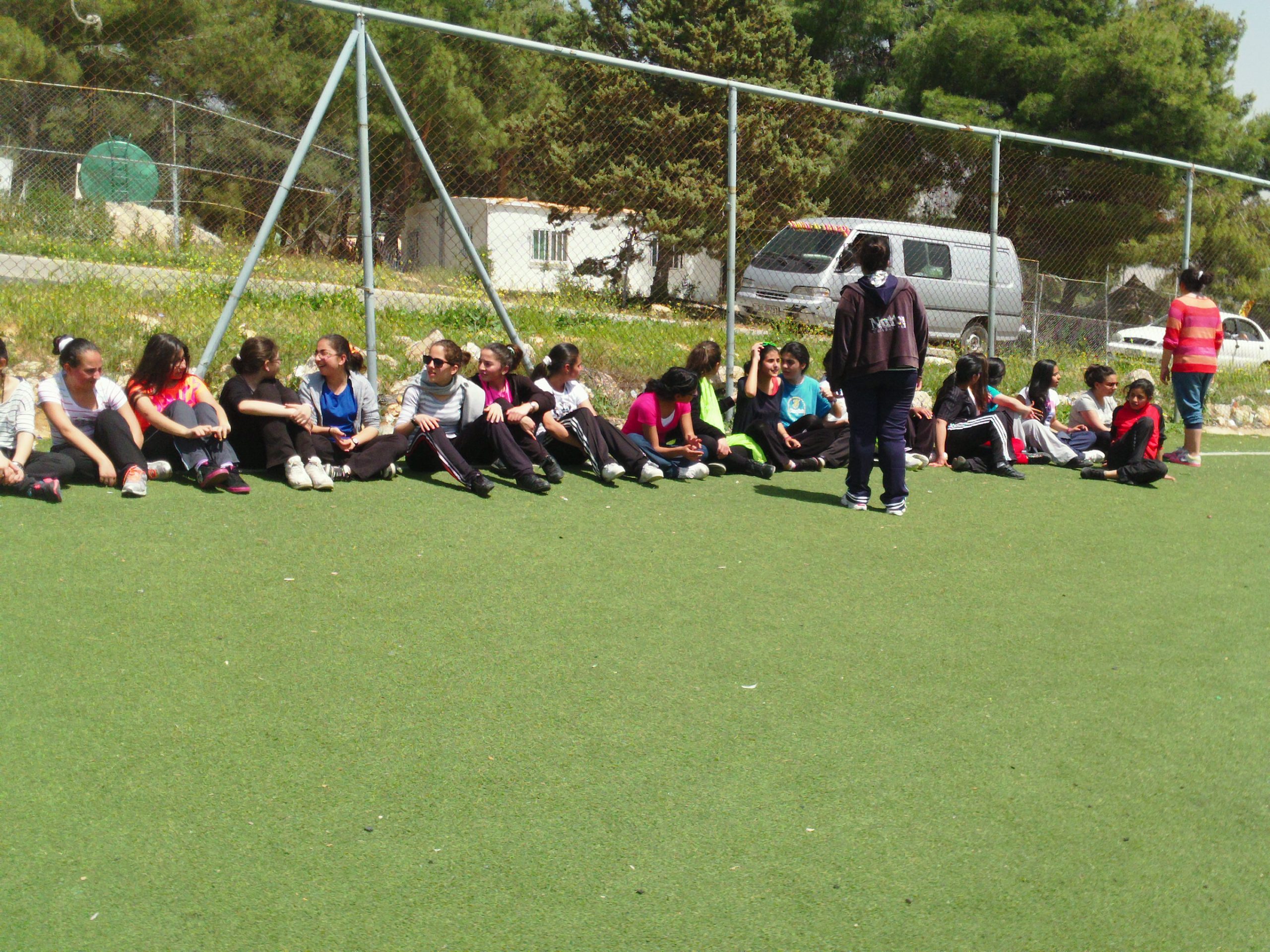
More than 70% of the population of Jordan is below the age of 30 and of these 27% are unemployed (UNICEF, 2009). The number of school drop-outs is also on the increase (presently estimated at 100,000 under the age of 16yrs). The youth of today are branded as ‘irresponsible, dis-respectful and aggressive’. A young boy/girl may resort to asocial or atypical behaviours due to feeling rejected by his/her family, peers and the society as a whole. Rather than embrace their differences, educators and parents alike may try to mold the child into the socially accepted ‘norm’. The child is left with a very-low self-concept and a lack of a feeling of belonging and therefore turns to more disruptive behaviours.
The present economic situation has forced many children to leave school and to gain employment or beg on the streets in order to assist their family. The lack of education leads to the increase in poverty and the child is left without any hope for a better future. This may then create a feeling of frustration and failure within the child who may again turn to disruptive behavior. Abusive behavior towards the youth; be it emotional, physical and/or neglect may all lead to anti-social behavior. This is one of the areas in great need of addressing thoroughly. 50% of children in Jordan are subjected to physical abuse by their parents/educators or caregivers (UNICEF; Violence against children study in Jordan, 2007). There is a great need for the children at risk and/or those already displaying anti-social or disruptive behaviours to have the opportunity to regain their self-concept and realize that they are able to achieve and be competent, capable and committed young adults building the future of the country.
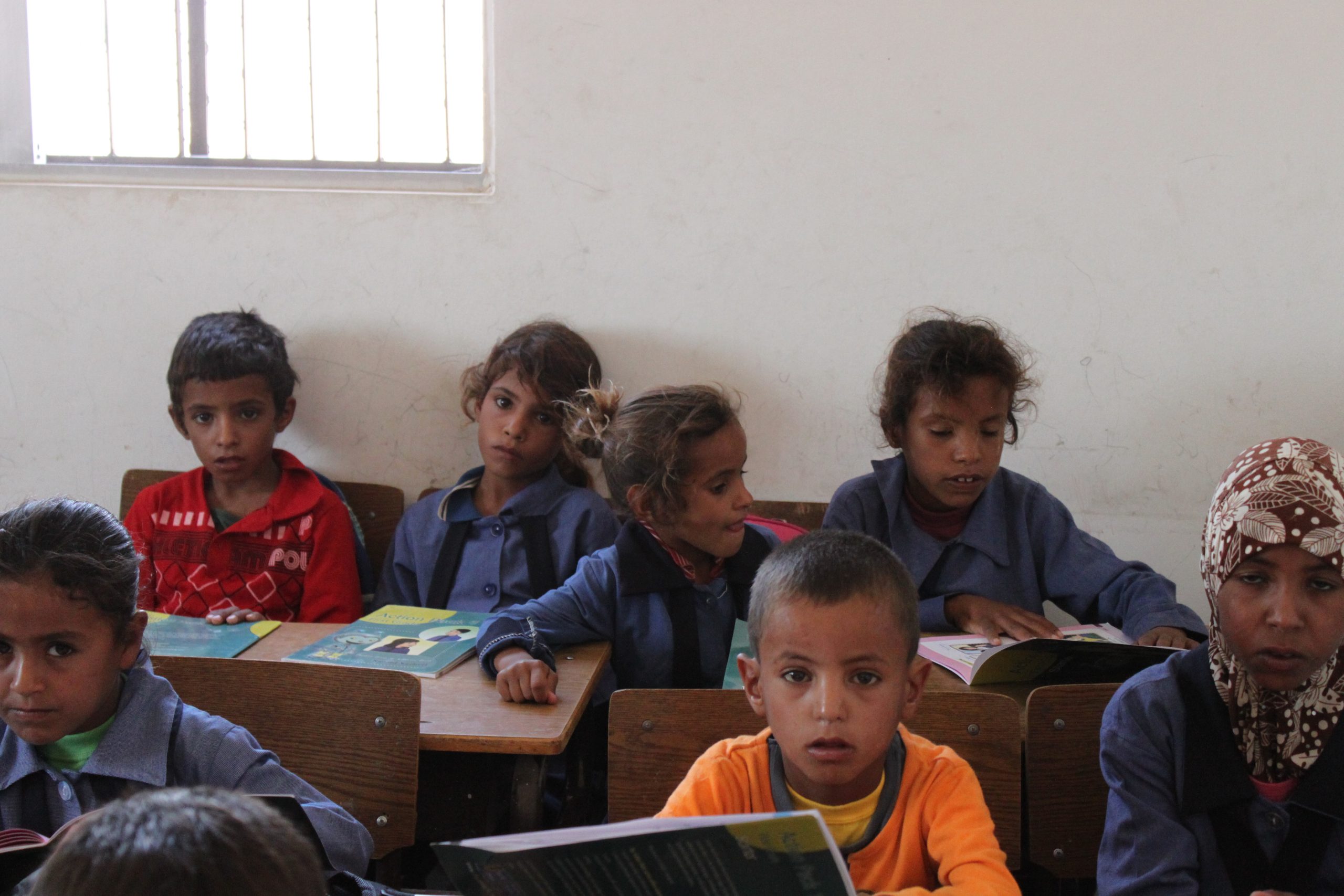
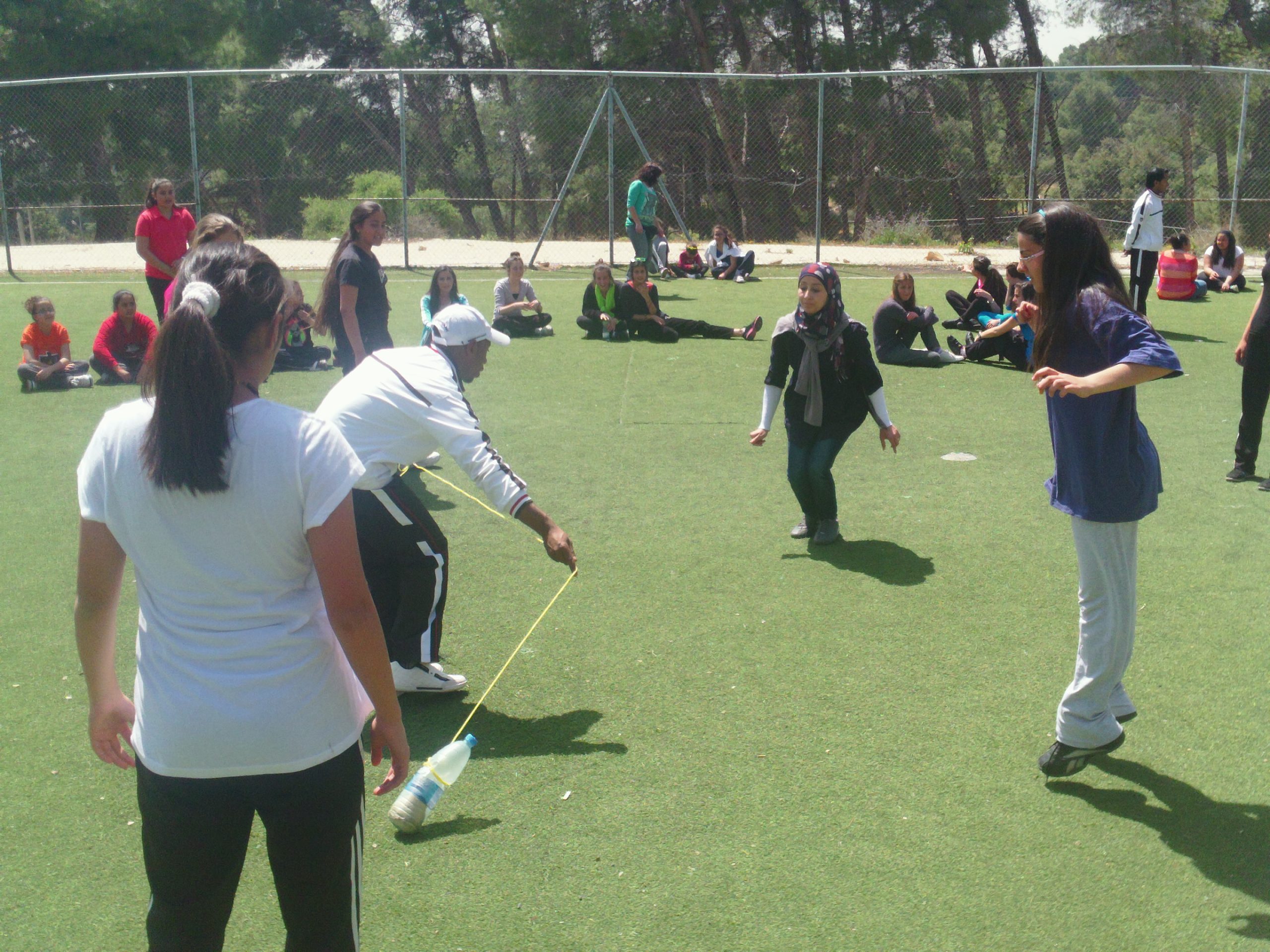
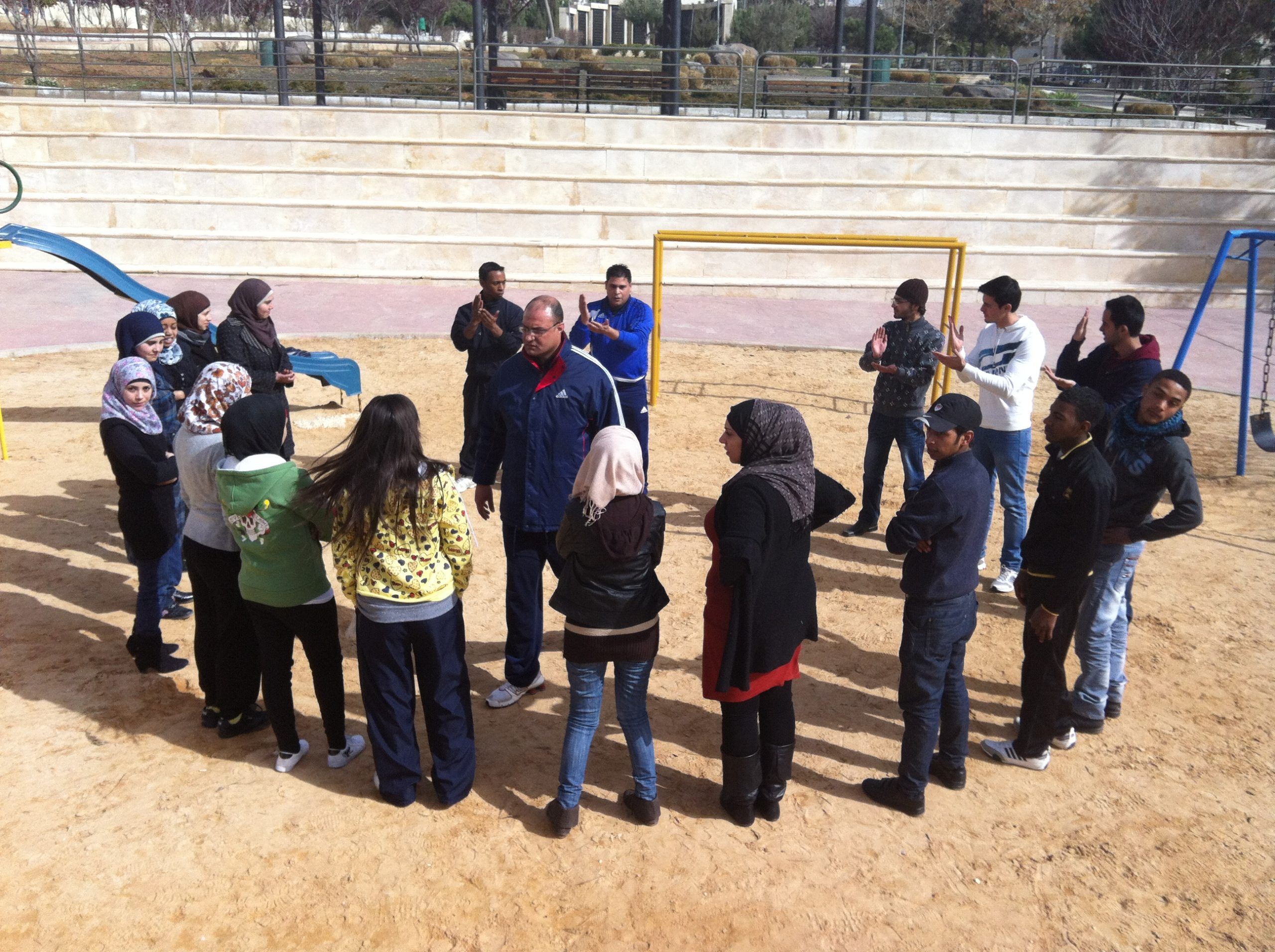
The Princess Alia Foundation launched the ‘Learning Today- Leading Tomorrow’ Programme in order to build a committed and able new generation of young adults who may ensure a brighter future for the country. A group of 12 young men and women joined the programme and within the first 2 weeks 20% of the origonal group returned to formal schooling and new members joined the group.
Management Team
The programme was run by counselors and leaders in the field of active training and awareness building. Through PAF’s partnership with the Greater Amman Municipality (GAM), the team leaders are employees of GAM who have vast experience in running camps for the youth, thereby pooling resources and reducing duplication. Within the team are a further three university student volunteers. The management of the programme falls under the Princess Alia Foundation.
Core Elements:
The programme is composed of four elements; each with its own integral part in the healing of the child.
ELEMENTS:
- Equine Therapy
Many scientific studies have been conducted on animal assisted therapy where all results have indicated a positive outcome on behavior and social interaction. (Oakley, Dawn., and Bardin, Gail, 2006)
- Community Service
To re-instill within the younger members of the society the important role they may play within their communities and to empower the children to be spokespersons within their communities.
- Team Building & Leadership
An essential part of the positive development of the youth is learning how to work within a team. This allows for positive interactions, mutual respect and communication between team members.
- Support Group – Counseling
By allowing the children to work through the challenges they are facing, in a safe and supportive environment, they will be able to approach life with more strength to face the daily challenges and will become more productive and competent members of their communities.
After completing the initial phase of training we are proud to report that ALL of the participants have now completed their high school leavers exams, 3 of the group have formed their own company working towards providing other young men and women opportunities for education and employment, and all remaining participants are ether in university and/or gainfully employed.
2013 has seen another positive development for PAF’s work with the youth. In partnership with GAM we have now taken over a youth training centre in Eastern Amman. This centre will provide all youth with a safe and secure base here the may join together to learn, innovate and lead us into a brighter future.
No Borders in Education
We often hear that ‘education is the key to the future’ and yet there are some 70 Million children out of school across the globe. There have been a multitude of initiatives focusing on education around the world, exerting public pressure on decision makers to make education a priority. This has been achieved, however many countries around the world still do not find themselves with enough funding to create the all-important schools.
With poverty rising, the growing problems of unemployment, many of the poor and vulnerable households across the world are faced with the reality of having to cut back on their spending in education. Their children are removed from school and enter the vicious cycle of poverty.
Having access to a meaningful education is a basic human right and it is easy to lose sight of the fact that although the world will recover from the effects of the global recession, the lack of commitment or ability to provide equal opportunities for learning to children may result in a ‘lost generation’. Children left out of education face a future of diminished opportunities for employment, health and active participation in political processes which have a direct bearing on their own lives. Limited access to education remains one of the most powerful ways of transmitting poverty from one generation to the next.
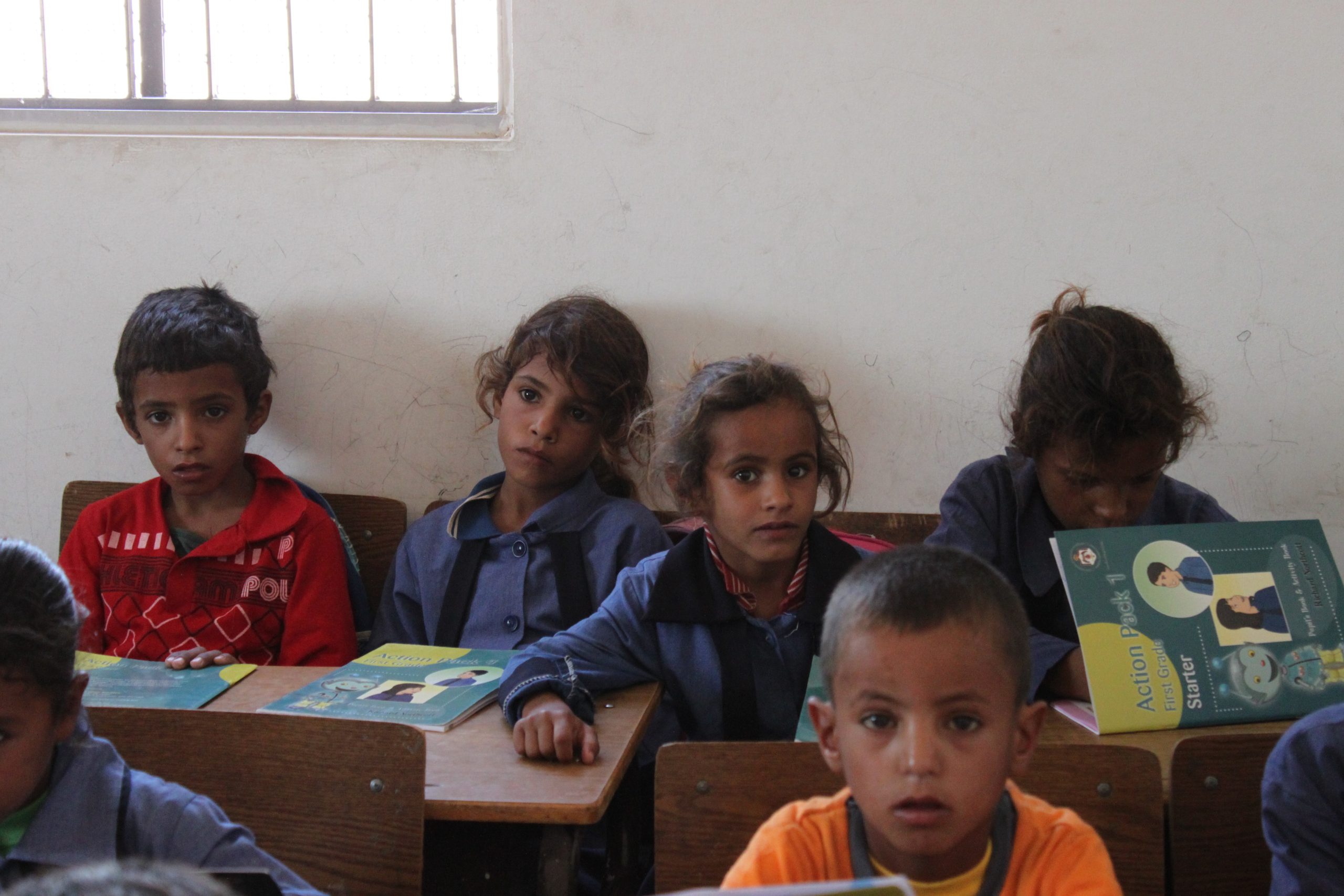
The Princess Alia Foundation in launching the ‘No Borders in Education’, aims to support the Ministry of Education and serve all students across the country and beyond in achieving their right to quality education.
The approach used:
-
To work in the field in all areas across the country in order to assess the needs of the local communities and the access and quality of education provided.
-
To provide scholarships for students in need in order for them to complete their education and move on to higher education.
-
To provide support to the communities through initiating programmes for the local community within the school grounds, after the official school day.
-
Enhancing the role of the school as a true community school.
-
Assisting the schools to reach a level of sustainability where they are able to create budgets which will be used to enhance the quality of the education provided. This would be done in conjunction and agreement with the MOE.
-
To build schools using ‘green’ building materials and ensuring that the school is powered through the use of renewable energy. The excess may be sold to the national grid. All income returning to the school and the community around it.
-
To lobby for change at the policy level in order to ensure a high quality of education for each student across the country regardless of socioeconomic background or geographical location.
-
To create communication and co-ordination between all parties working in the field of education in the country to ensure there is no duplication and that all donor funding is being used to its full capacity with sustainable approaches to education reform.
Sustainable Education through Renewable Energy
As Jordan strives to take its place as a modern country on the world map, education takes an even greater role in raising the future generation. A country with few natural resources, Jordan looks to its human resources as the key element for its success in the markets of the region, and the prosperity,health, and security of its people. The country envisions a population of responsible, self-confident, and innovative learners.
The ability of the educational system to develop and nurture creativity and innovation among learners will be a cornerstone that contributes to the development of a knowledge economy in Jordan. To do this, the educational system must itself be capable of nurturing an environment that encourages individuals to think in creative ways, innovate to solve problems, and capture what is learned and apply this within the wider system. Despite the very high enrolment rates and the availability of access to schools across the Kingdom, the quality of education remains uneven. The average achievement in urban areas is higher than that in the rural and more remote areas.
One of the major challenges of the Ministry of Education is to provide the schools with the required budget to provide students with quality education in all schools across the Kingdom. Providing the schools with innovative techniques for income generation will greatly relieve the ministry of the financial burden as well as allowing students, regardless of geographic location access to quality education. A number of the smaller schools in remote areas across the country, (such as those within the pockets of poverty) lack the needed funds to enhance the learning environment by maintaining the schools facilities and to carry out simple maintenance on the school building. Examples of such maintenance include, replacement of broken windows, fixing of doors, bathroom facilities, paint etc. As a result, the school building itself falls into disarray as the routine maintenance is not carried out.
By providing the school with the needed funds through a sustainable method, the school will have the ability to budget for the care of the building as well as providing the much needed resources to enhance the learning achievement of the students through the re-allocation of the energy budget. At present students and teachers alike are subjected to extreme temperatures both in the summer and winter months. Through the introduction of renewable energy the schools may use cooling and heating within the classrooms enhancing the learning environment.
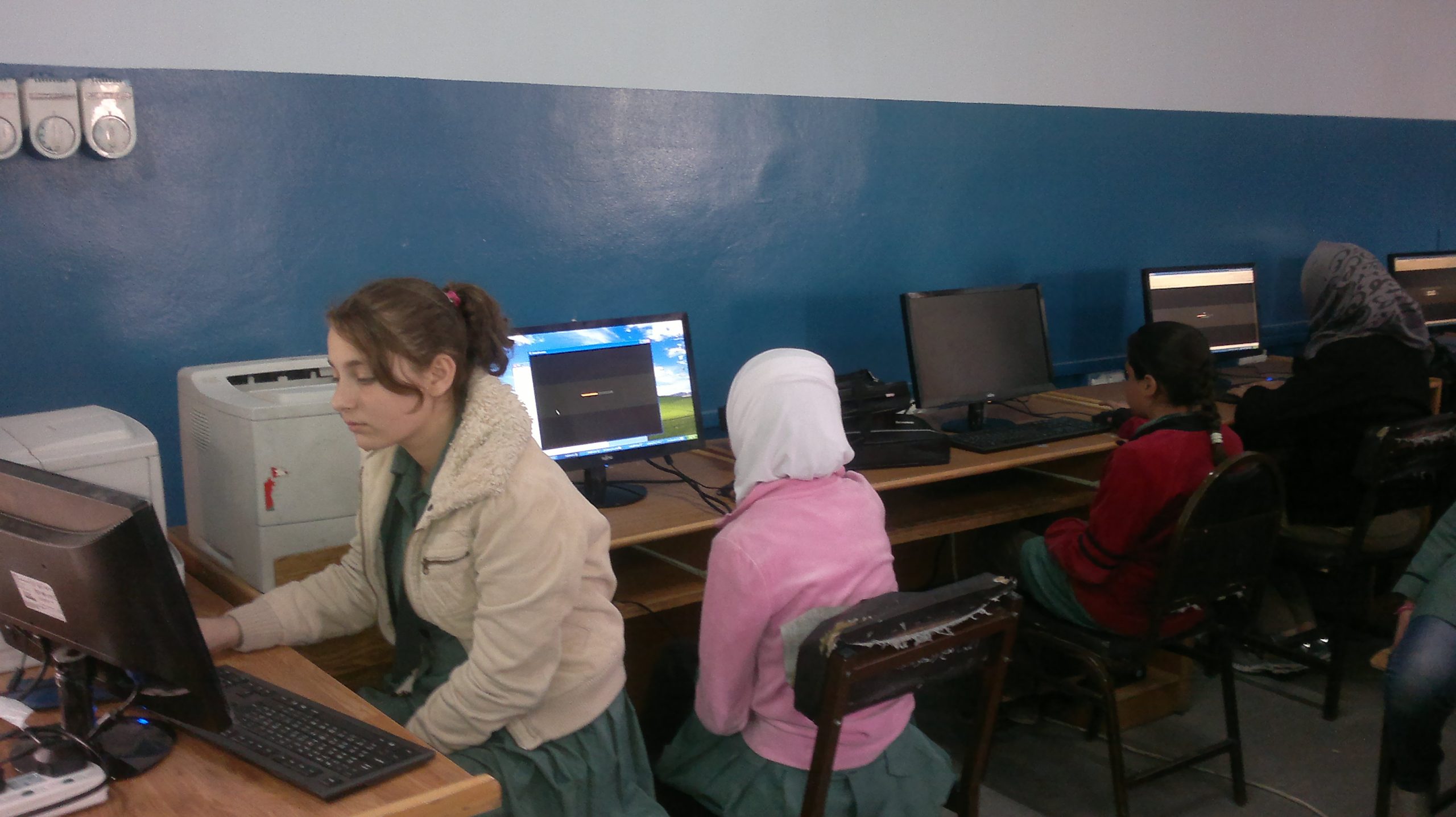
There is a great emphasis on the use of Information Communication Technology (ICT) within the national curriculum, however due to the heavy demand and high cost of electricity, not all schools are able to utilize computers within the learning day. Providing schools with an alternative and affordable source of energy will enable optimum learning opportunities through using all resources available to them.
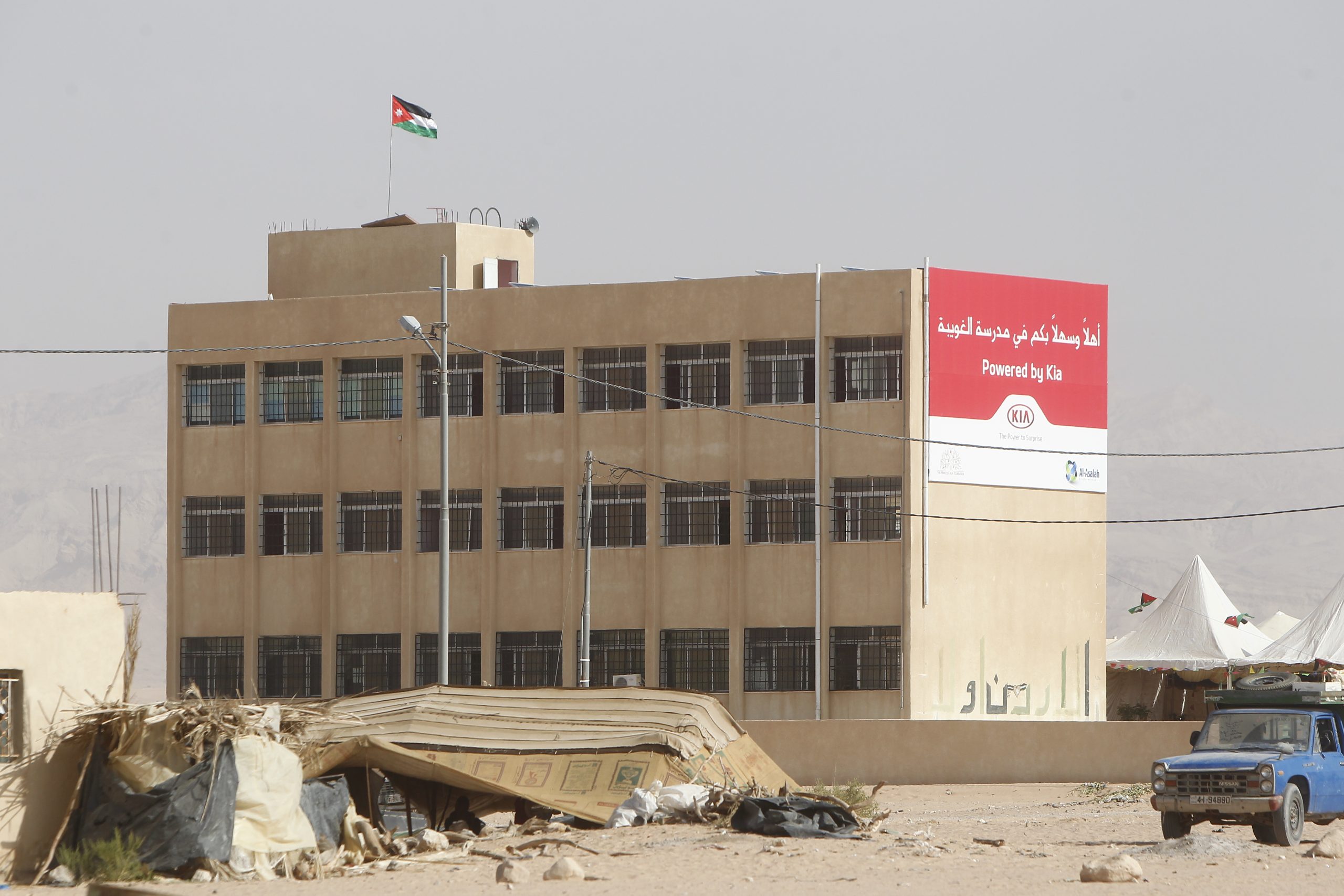
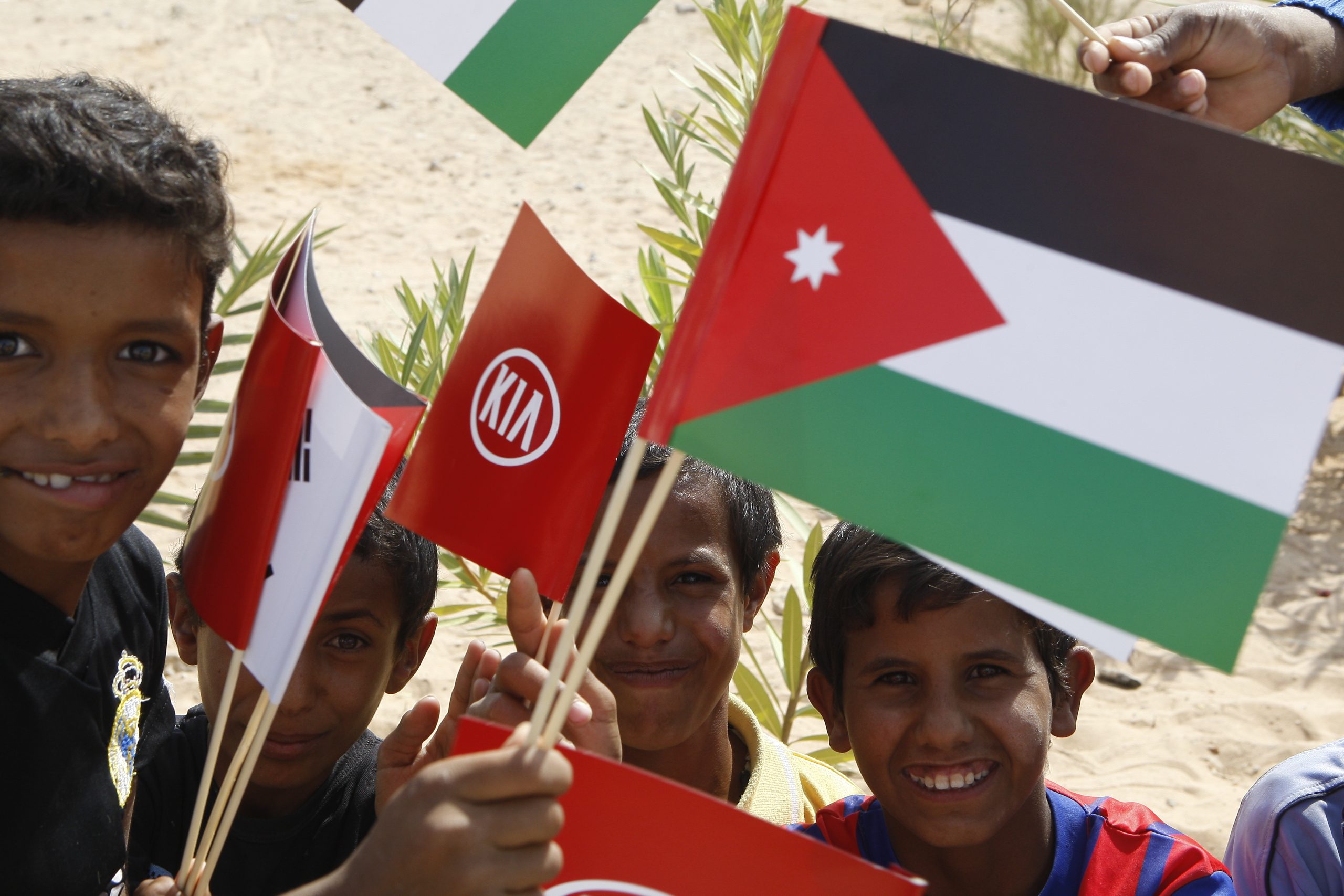
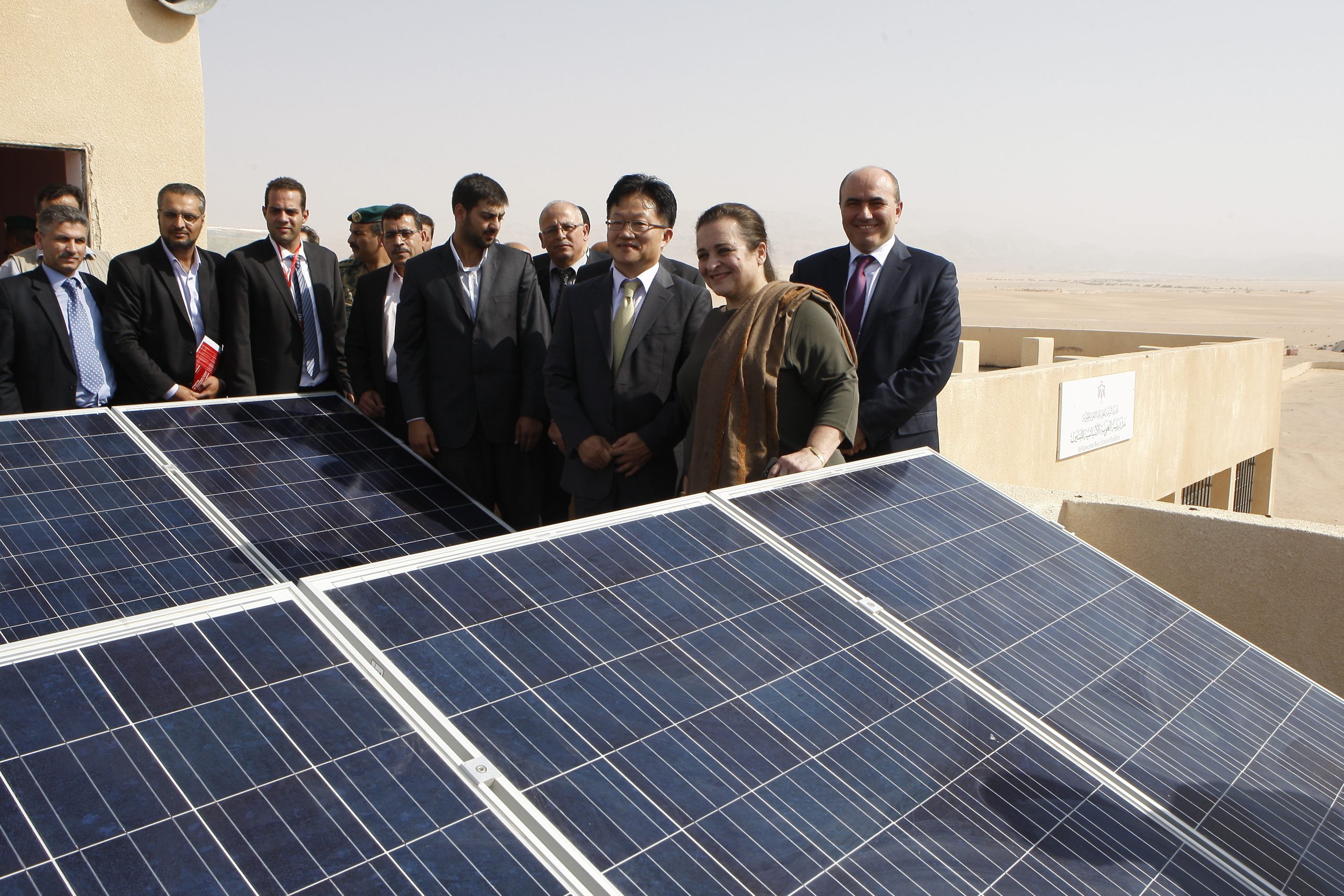
In partnership with KIA Motors Company and Al Asalah, PAF launched two solar schools in the village of Al Ghweibah, Southern Jordan Valley. The project was fully sponsored by KIA Motors with the technical implementation by Al Asalah Company and in full partnership with the Ministry of Education and the Ministry of Energy. The system was tested during September – October 2013 with the official launch of the solar school project held in November 2013. Both schools are generating electricity with which they power the schools and the excess electricity is sold to the National grid, providing the schools with an income.
Throughout 2014 PAF partnered with other private sector companies including The Arab Potash Company, The Islamic bank and Al Bawaba to complete a further 11 schools across the Southern Jordan Valley region and Wadi Araba bringing the total number to 13 schools. PAF has recently been awarded an EU grant which will allow for an additional 18 schools to be completed during 2015 and 2016. The aim is to see all schools across Jordan benefitting from this system.
This project has moved forward in leaps and bounds and 2016 has marked the completion of 49 schools with a further 29 being completed at present.
Slaughter House Reform
In October 2007, pressure from various international humanitarian organizations working in the field of animal welfare, brought into focus the dire situation which exists within many of the country’s facilities which handle animals. These organizations threatened to publicize the information if the Jordanian government did not take concrete steps to improve the situation. After a period of several months, no remedial action was seen to have been taken by local officials; footage of the maltreatment of animals in Jordan was aired, leading to an international outcry painting Jordan in an extremely negative light.
In response to this and in an attempt to redeem Jordan’s international reputation, H.R.H. Princess Alia Al Hussein undertook the task of analysing the situation. Thus, the first great steps towards remedying the situation were taken. While conducting the situation analysis it became all too evident that there was an overlap in the responsibility of numerous official entities resulting in a lack of accountability and confusion which ultimately lead to an inefficient working environment.
The reality of what was happening in the slaughter houses was brought to light with the assistance of Animals Australia (www.animalsaustralia.org). The first steps towards addressing the situation were taken with the added assistance of Compassion in World farming (www.ciwf.org.uk). Many improvements have been achieved since, where all stakeholders have come together in order to create an effective, efficient and safe working environment as well as to ensure that all animals are being treated humanely.
The principle lies in the true principles and teachings of Islam. In fact, the Islamic directives on how to lead an animal to slaughter are all too clear, “Lead it in a ‘beautiful way’, and relax the animal. Offer it a drink of water and give it no indication of what is about to happen, such as seeing the weapon, seeing another being slaughtered and not confining or restricting it by tying its legs.
The immediate priority in this sector lies with creating a model Abattoir complete with functional equipment where all staff are highly trained on methods of slaughter. An essential element is in the provision of SOP’s for the running of the slaughter house, inclusive of Quality Assurance management and also a strict and efficient meat inspection. This model abbattoir is one which already exists and will be upgraded in order to cover the North of the country at minimum cost, as there is no need to build a new facility. Once the procedures are in place and the facility is operational this model will be exported to the other facilities across the country.
In February of 2010, Mr. Jim Nolan, from Australia travelled back to Jordan to assist in the next phase of planning and rehabilitating the sector. Many issues were identified and a model for the new slaughter house in Maan was designed. The main theme behind Mr. Nolan’s designs is to create facilities with maximum output and efficiency at minimum cost on a needs basis. The government of Jordan is committed to seeing the reform go forward and are now in further negotiations with Mr. Nolan with the support of PAF.
Stray Animal Control
In Jordan today, as in many other countries across the world there is a problem with stray animals, in particular cats and dogs. It has been common practice until today for the animal numbers to be controlled through a system of poisoning or shooting the animals. Not only, first and foremost is this inhumane, but it also does not solve the problem.
In October of 2009, Dr. Chinny Krishna, of The Blue Cross of India, came to Jordan in order to assess the situation and to introduce the ABC-AR programme. The programme is a capture, spay and release programme where the animals are also given an anti-rabies injection prior to them being released.The success in India has been significant.
Having met with government officials in Jordan, it was agreed to implement the ABC programme in Jordan. Through the partnership with the Jordan University of Science and Technology (JUST), it has been agreed that JUST will house the ABC clinic for the north of Jordan (where there is the greatest problem). The vets who will perform the procedures will be a combination of vets from JUST as well as 5th year veterinary students. To read more about the programme visit the Blue Cross of India.
On March 22nd 2010, a team from Vier Pfoten International arrived in Amman on a two day working visit in order to assess the scope of the problem in the kingdom and to identify where to start the pilot project. It was agreed upon with the partners in the government that the pilot project will commence in April 2010 in the north of the country. The base of the project will be at JUST and the area to be addressed initially will be Al Mafraq where there is a real problem with stray dogs, especially with dogs coming across the border from Syria. The International team will spend approximately three weeks in Jordan in order to implement the programme and train the local staff so that they may then carry the programme forward in different areas of concern across the kingdom.
The Stray Animal Control (SAC) Programme has been ongoing and is now based at the Greater Amman Municipality animal clinic. The SAC programme is assigned 3 days a week at the clinic allowing also for volunteer vets to assist. Our partners at Vier-pfoten International have returned many times during the past 2 years to continue with the proffessional development and capacity building of our local staff and more recently travelled to Aqaba in the south where they ran the SAC programme for 2 weeks.
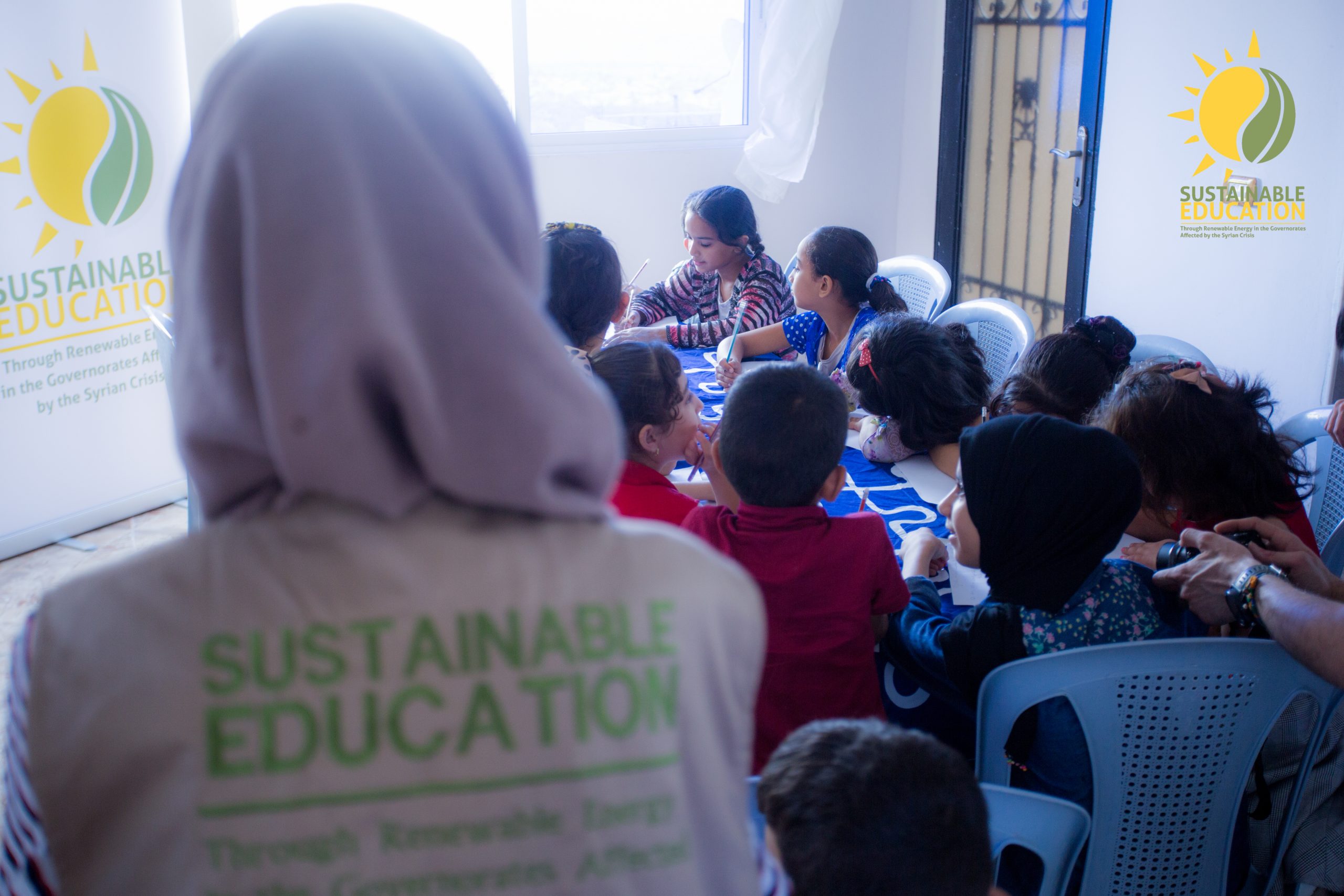
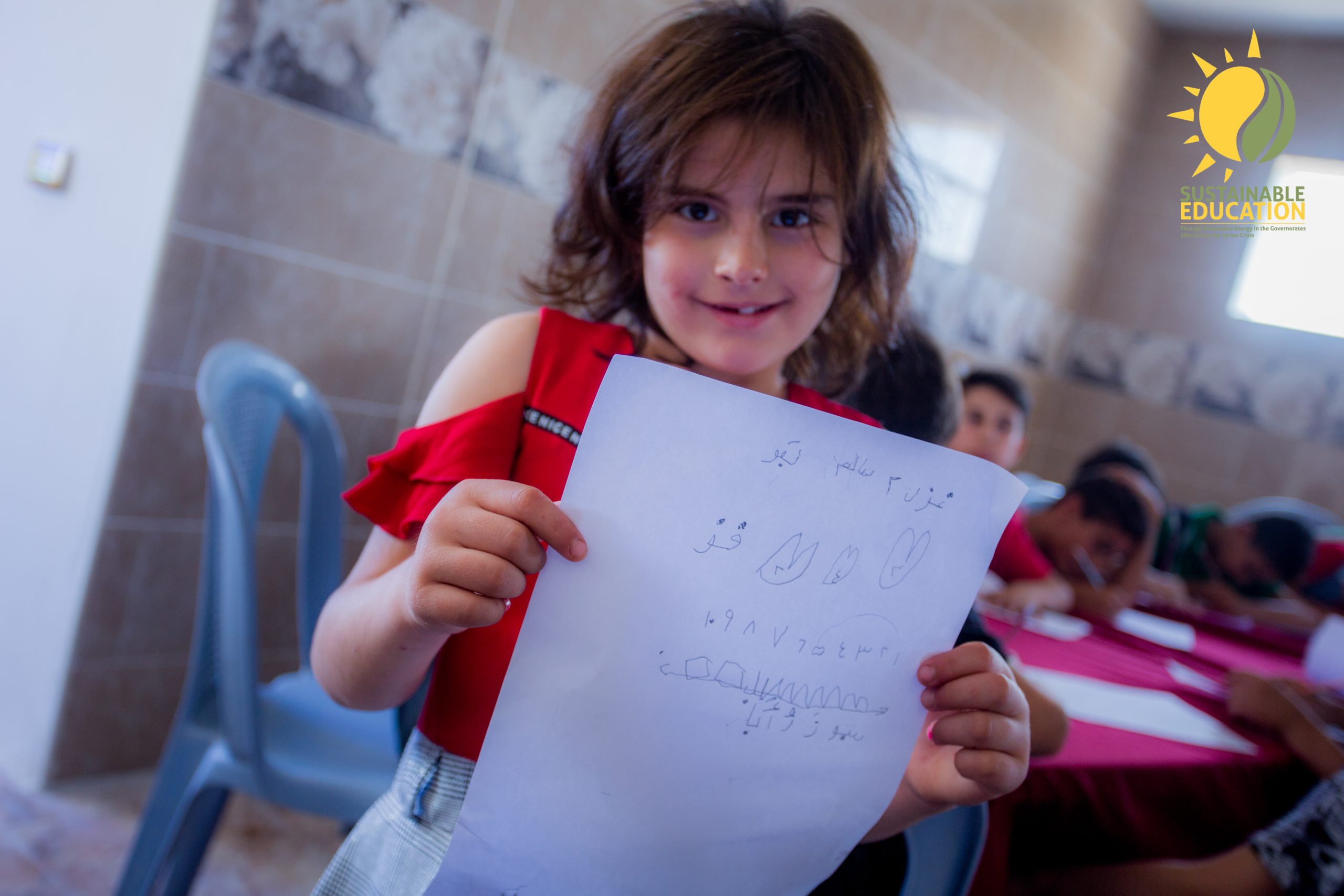
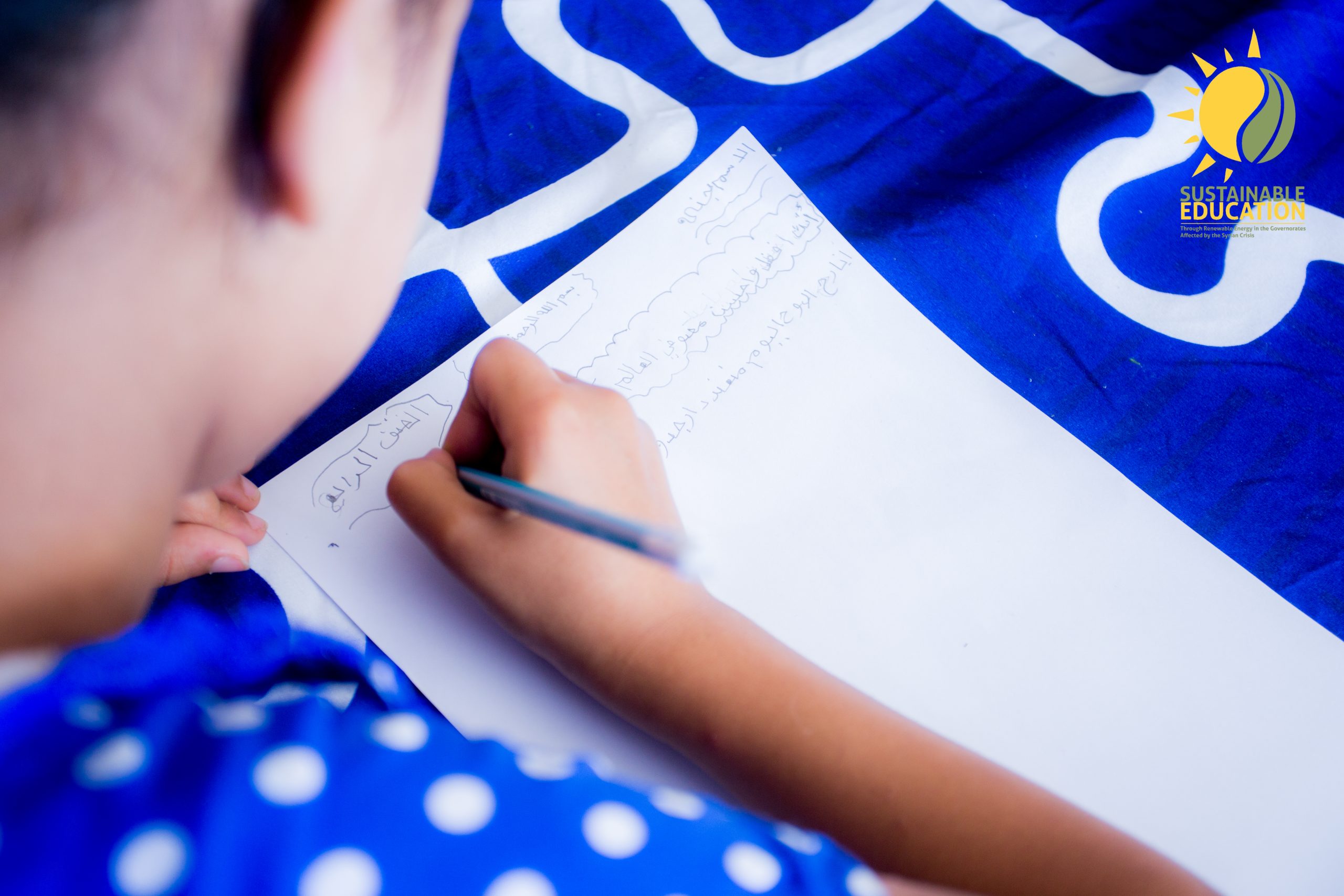
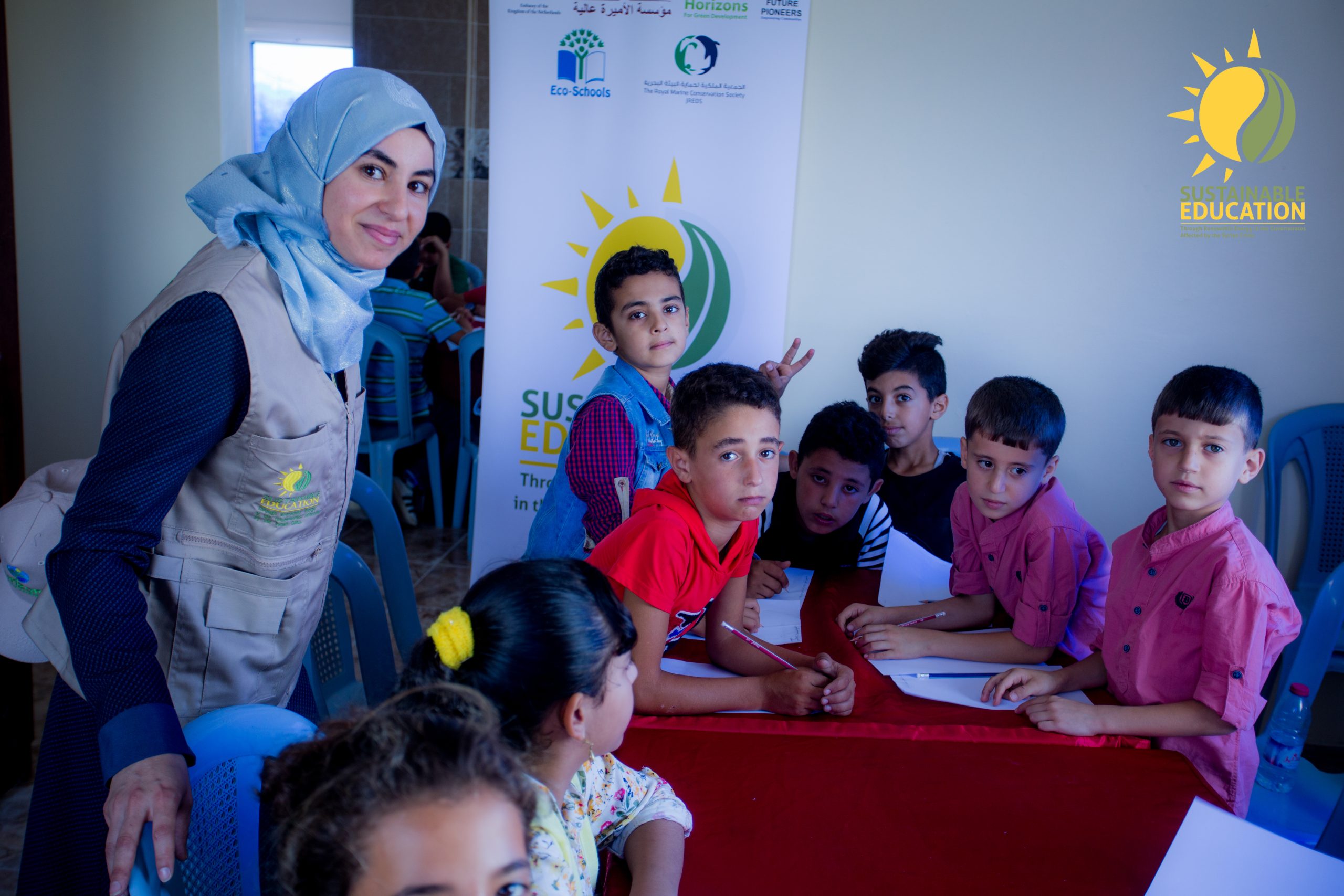
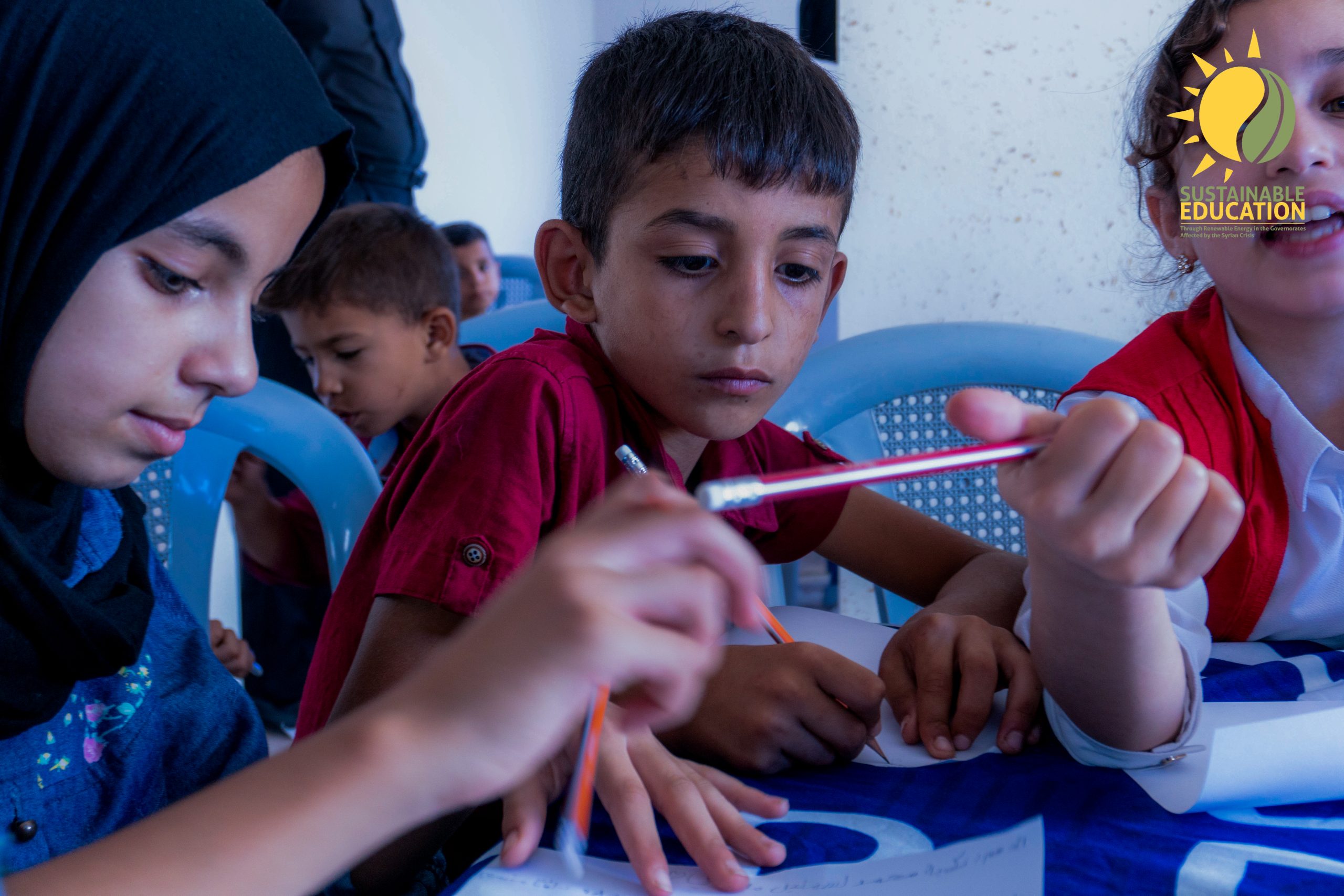
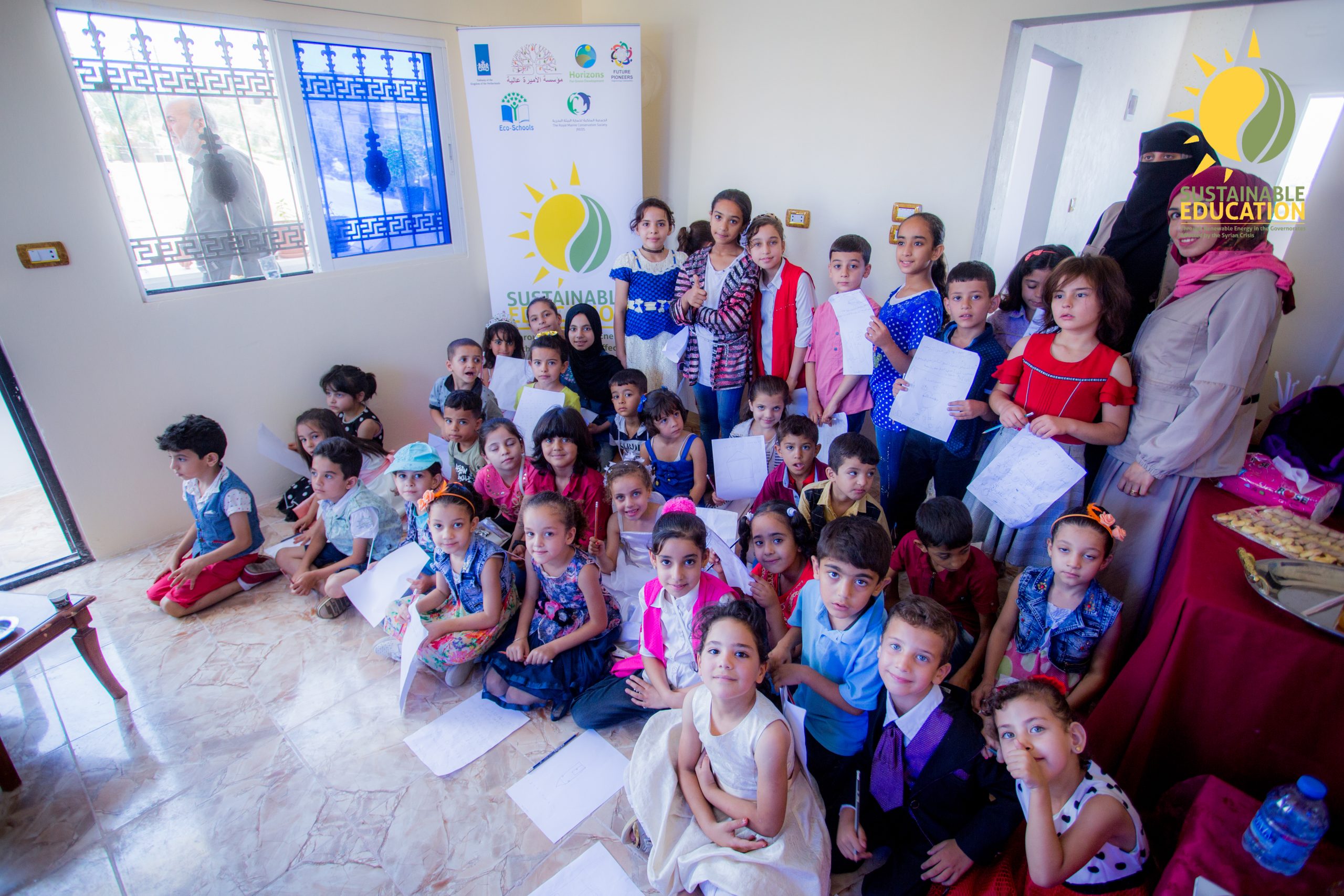
Sustainable Education
Netherland’s funded project:
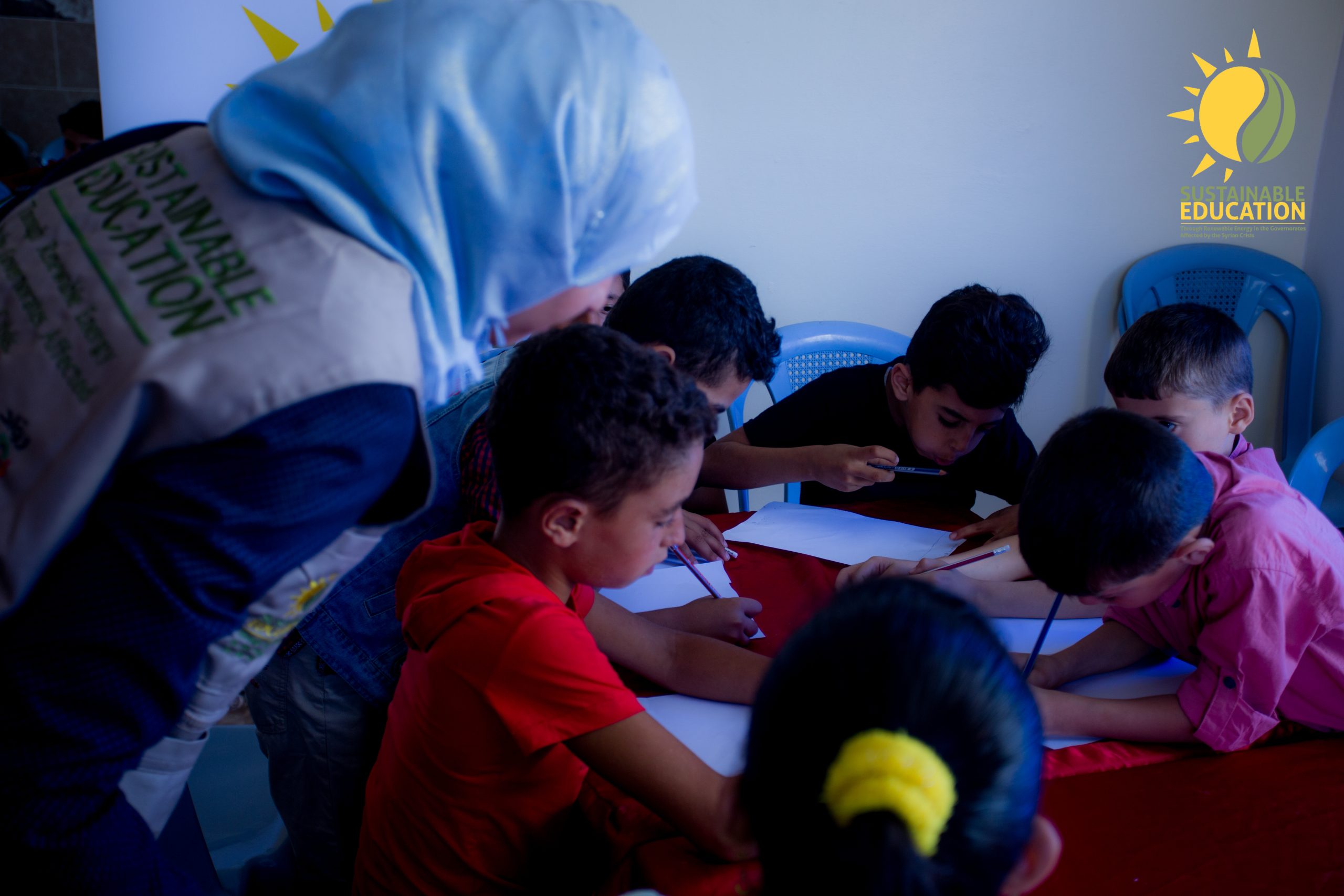
Project titled: Sustainable Education through Renewable Energy in the Governorates Affected by the Syrian Crisis.
Introduction:
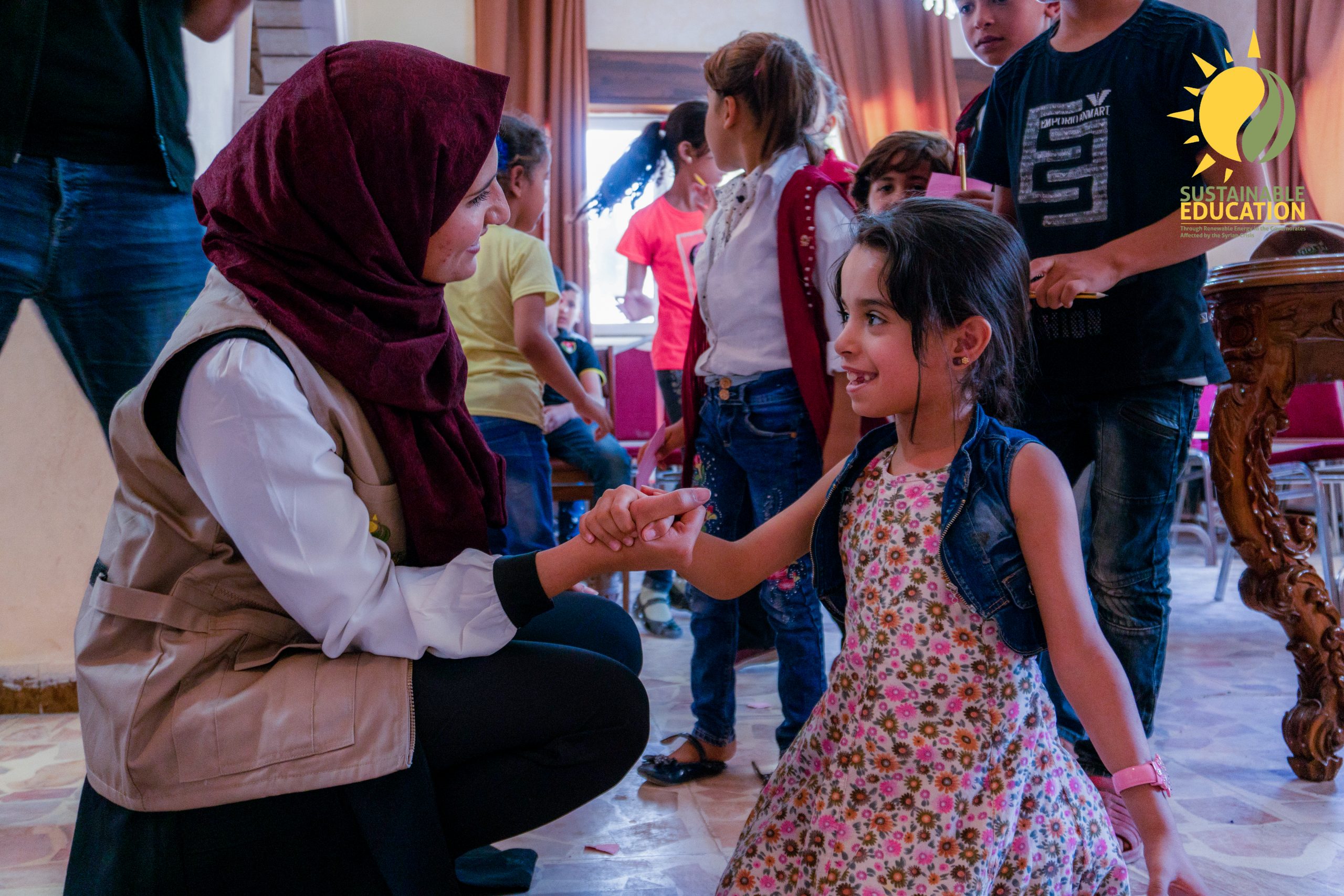
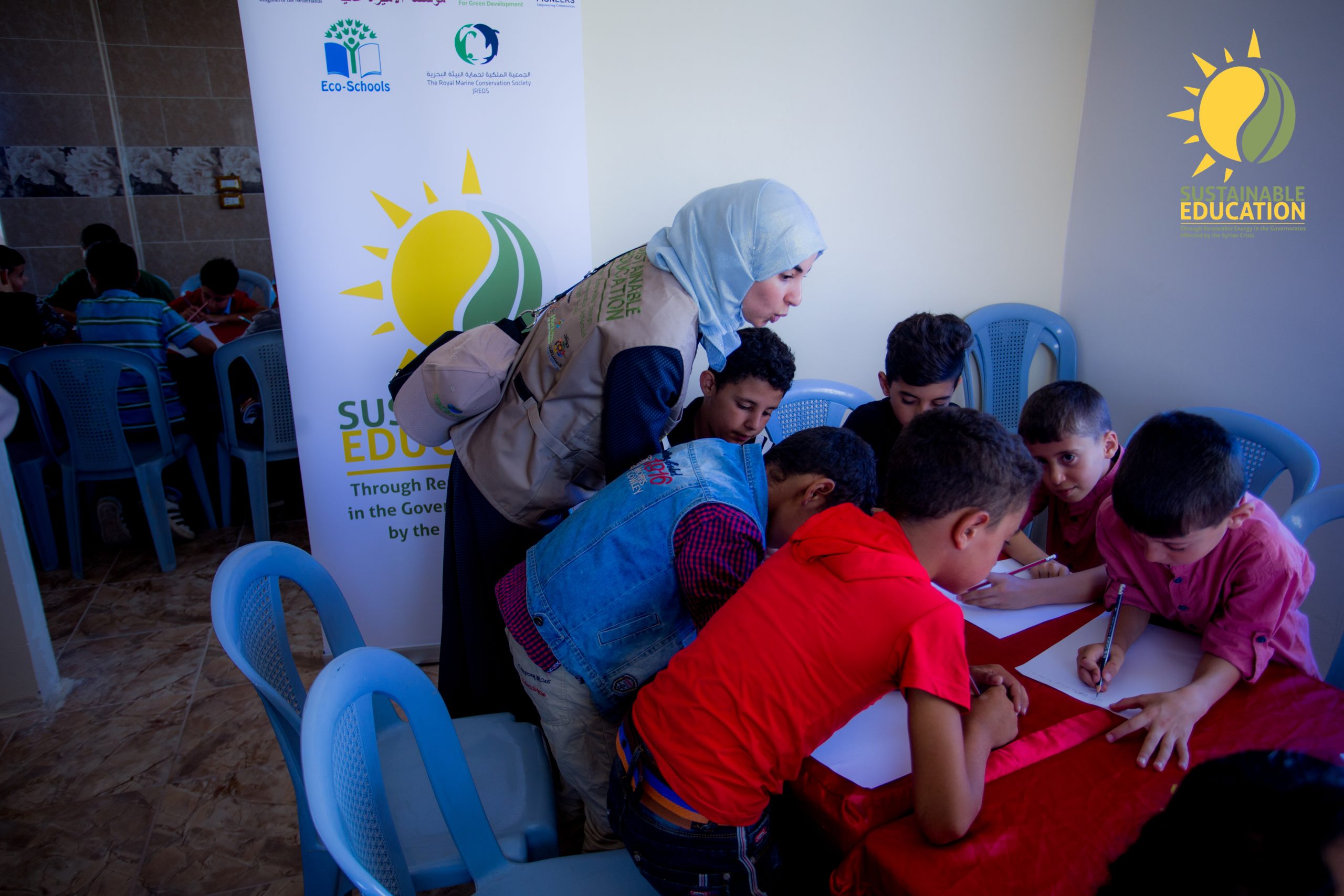
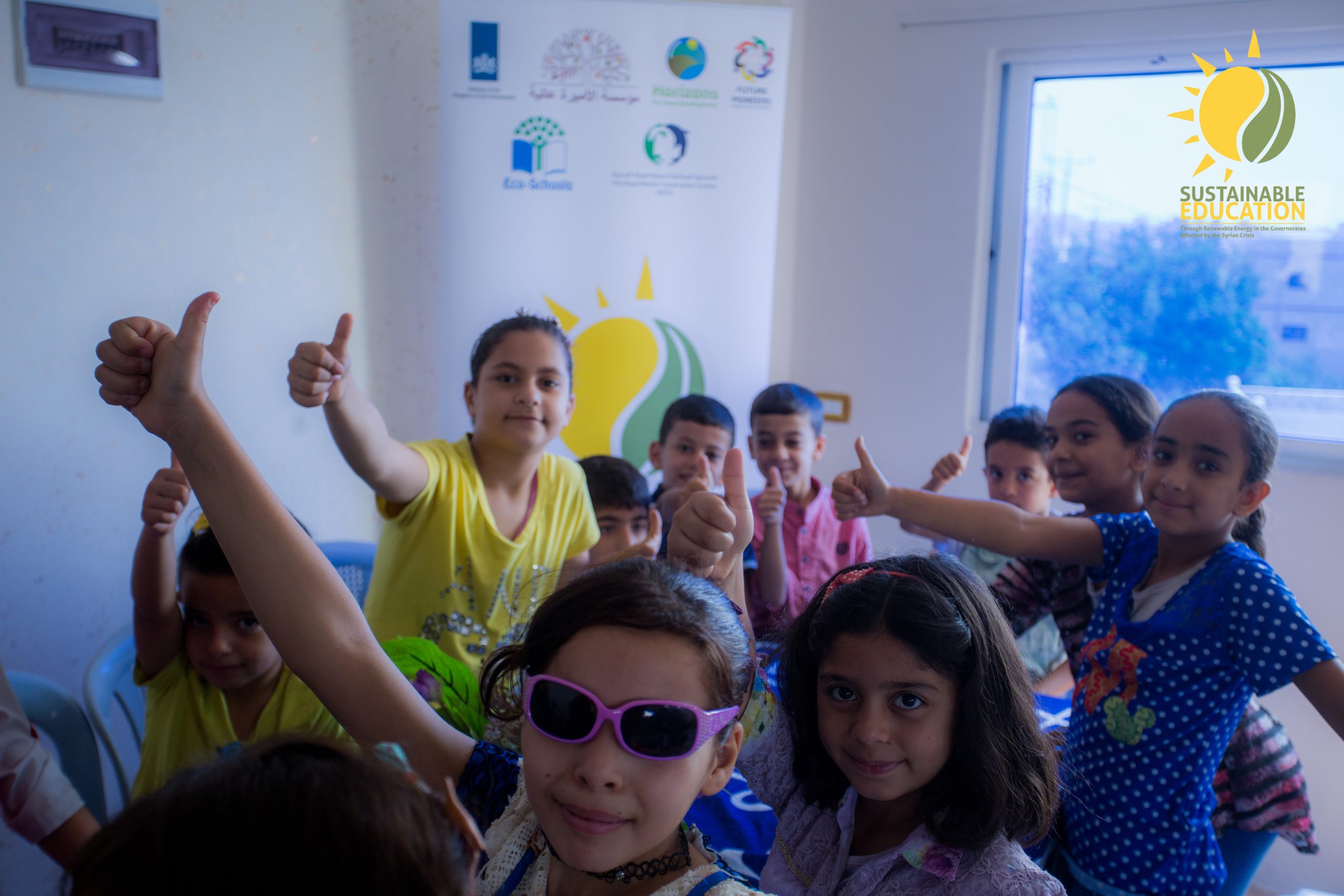
An education system that develops and nurtures creativity and innovation amongst its students is a cornerstone to the development of any society. Despite high enrolment rates and access to schools throughout the Kingdom, the quality of education remains uneven. Schools in remote areas suffer from insufficient access to electricity to operate daily services such as providing efficient heating and cooling systems within the classroom and connecting computers and online learning. Additionally, with an influx of Syrian refugees, institutions and services are overwhelmed with the increase of demands by an ever-growing population.
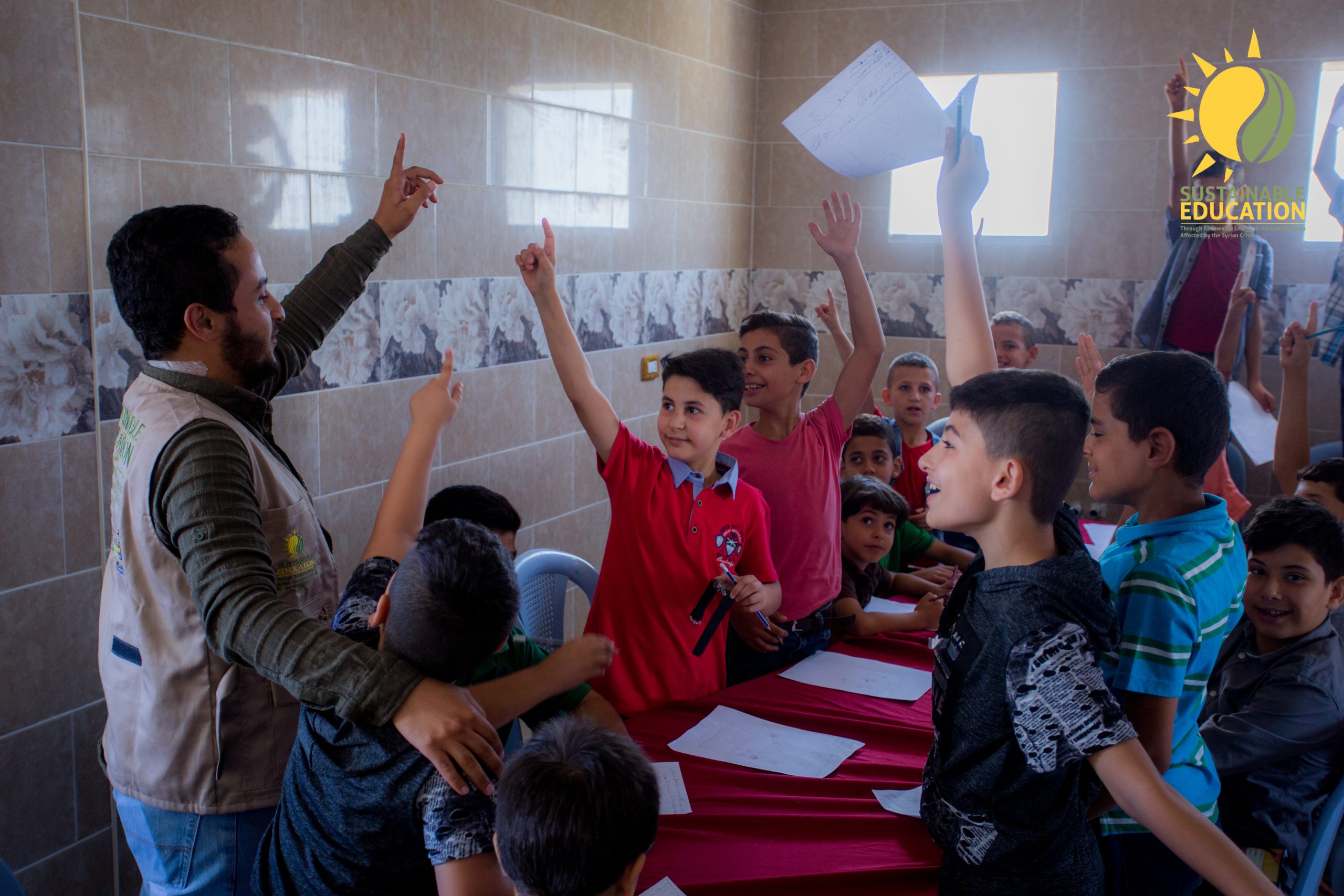
This project aims to contribute to the overall efforts aiming at mitigating the impact of the Syrian crisis in line with the Jordan Response Plan (JRP) focusing on the Northern governorates (Mafraq, Ramtha, Irbid, and North of Balqa’a Governorates) that are most affected by the Syrian crisis. This will be achieved through the use of Renewable Energy (RE) and Energy Efficiency (EE) systems to reduce the growing energy demands improve the learning environment in schools, increase enrollment and retention of Jordanian and Syrian students, improving the livelihood of surrounding communities and promote the social cohesion at the same time.
Target group:
1. (100) Schools selected from Mafraq, Ramtha, Irbid, and North of Balqa’a. The age group will be from (6-17) years old, and equal number of boys and girls schools will be ensured.
2. (200) Teachers (both genders) will be selected where (1-2) teachers in each school will be trained on the negative impact of climate change, the energy crisis facing Jordan, best practices and tools to rationalize energy use and reduce associated expenses and CO2, anti-littering culture, and the importance of social cohesion and community merge between the Syrian and Jordanian student through team building activities. The trained teachers will transfer the above knowledge at the weekly extracurricular classes.
3. (30,000 – 50,000) students (both genders) in the selected schools assuming that each school includes (300-500) students, will be educated in regards to the energy sector in Jordan, importance of Renewable energy and energy efficiency and its positive impact on improving the learning environment, anti-littering and social cohesion, how to conduct a need assessment of their school to properly assess the needed areas of development of the school environment.
4. (1,000) Community leaders (both genders) selected from the surrounding communities of selected schools will be targeted through awareness workshops about renewable energy, and best electricity saving practices to induce the behavioral changes of both Jordanians and Syrians, induce social cohesion and community merge concept and promote the role of women CBOs
5. (100-200) unemployed youth (Jordanians and Syrians, males and females) from the surrounding communities of selected schools who will be selected based on competitive criteria in order to be trained by the vocational training centers on installing and maintaining RE systems to equip them with the technical qualification and experience which will enable them to find jobs more easily especially in this field where a minimum of 10% will be hired by the vendors of the RE systems to install and maintain the renewable energy systems over one year to ensure sustainability. 6. Local CBOs especially women CBOs working in the surrounding communities of the selected schools.
THE TEAM
PAF was founded by H.R.H Princess Alia Al Hussein and is registered under the Ministry of Social Development. The Foundation aims to promote compassion and respect for all livings beings, using a holistic approach and bringing different stakeholders together to bring forth change.
FPEC is specialized in community empowerment through poverty reduction, community building, capacity development, awareness raising and supporting small and medium sized enterprises in the educational, environmental and social fields. FPEC’s target populations are those who are most vulnerable in society: Women, youth and other marginalized groups.
Horizons works to develop a green environment and way of living within Jordan. Through civic engagement, socio-economic empowerment of vulnerable groups, awareness raising and capacity building within the environmental sector, the Jordanian society can move towards become more sustainable and environmentally friendly.
Project duration July 2017-August 2019
Middle East network for Animal Welfare (MENAW) Conference
Presented by CEO of PAF Sarra Ghazi
March 2010 – Cairo
Your Royal Highness, Excellencies, Ladies and Gentlemen, it gives me great pleasure to introduce you to the Princess Alia Foundation and to be among such a large and diverse group of friends and colleagues from across the globe. In fact it reminds me of the Quranic teachings that humans were “nations and tribes that ye may know one another..Lo the noblest of you in the Sight of God is the one who is best in conduct” and the other familiar teaching that all creatures are also… ‘Nations like unto yourselves”.
We are told that there is no single part of Creation, be it animate or inanimate which does not Praise and Glorify God. While Creation as a whole is thus united, there is a great difference between Humans and the rest of Creation. Humans often believe that they are wise and responsible and “know it all”. The Quran itself tells us that we do NOT comprehend the way in which the rest of Creation Praises God. The rest of creation; animals, plants and nature itself, behave consistently and in conformity with their own essence and nature. Humans have a choice. They are able to transcend themselves and by doing so make truly GOOD use of their faculties and abilities. They are also able to ignore the responsibility of being truly human and degenerate through selfishness and greed and destroy the world around them on their downward slide.
In May of last year, the Princess Alia Foundation was established in Jordan to promote the balance, harmony and respect for all creation. In the months since the establishment of the Foundation we have become keenly aware of the challenges and the scale of work that lies before us all.
Looking around here today, it is clear to see how many of us share the same concerns, passions and will for change. Let us not lose focus as to why we started in this field in the first place. Let us not shift our focus to less important things and forget what it is we are trying to achieve. Surely it is time to put all differences aside and to agree to work together to create a positive, sustainable and true change. Many voices raised together in unison will make themselves heard whereas scattered voices are easily ignored.
Whilst an initial focus of the foundation was the dire need for improved practices in slaughterhouses in Jordan, we also quickly recognized the need for urgent action in other areas. Initiatives have now been commenced to address the welfare of animals in zoos in Jordan; the illegal trade in wildlife in the region, to upgrade Jordan’s veterinary service and to introduce a TNR program as an alternative to the shooting and poisoning of stray animals.
We are in the process of creating a school based curriculum and a school program promoting the civic responsibility towards the environment was launched in September.
The Foundation is grateful for the tremendous support and expert advice that we have been provided with by Mr. Helmut Dungler and Dr. Amir Khalil of Vier Ptofen, Dr. Chinny Krishna of the Blue Cross of India, and Animals Australia. We have also been uplifted and encouraged by the support and drive of the Animal Welfare Unit of the Greater Amman Municipality. Through the pooling of all our individual expertise and experience we may achieve a great deal, as we have in a very short period of time. If we continue to work in isolation of each other, unfortunately we gain nothing.
I am sure that we in Jordan are not alone in facing the problem of having government responsibility for animal related issues spread across different ministries. To this end the Foundation has formed working partnerships with these ministries bringing all stakeholders together under one banner. This has provided much clearer channels of communication for all involved and we have seen work progress on many different fronts in a coordinated and constructive fashion
It is clear that effective legislation enforced by authorities is the key to ending unacceptable treatment of animals. A great challenge we all face is to have governments throughout the region acknowledge that they have a responsibility to protect the welfare of animals and then embrace and act on that responsibility. The Princess Alia Foundation has submitted animal protection legislation to the Jordanian government that was prepared by experts in the field. This has been approved and we await now the official passing of the legislation within the month. We are very happy to provide this draft legislation for your review and to support your efforts to have legislation passed.
The Prophet Mohammed (PBUH) often related;
As you are aware ethical treatment towards all animals is in fact very much a part of Islamic teachings. What Islamic teachings clearly are acknowledging is that animals feel. They feel pain, fear, joy and happiness; therefore animals matter and our treatment of them matters. Islamic teachings do not suggest that animals deserve humane treatment because their presence improves our lives or increases our wealth – the case for humane treatment is based purely and simply on the fact that they are equally a part of creation.
With regards to legislation, any legislation passed must include all animals, regardless of the role that they play in our lives or financial interests. In other countries around the world livestock has been excluded from legislative protection– despite the fact that the suffering of animals raised to food is no different than any other animals. We must not allow the same mistake to be made in the Middle East. Our religion decrees that we have a responsibility to provide humane treatment to all of creation.
Clearly there is much work to be done to heal our relationship with all who share the world around us. But the arguments that we can present for change are compelling. Islamic teachings convey to us that it is not enough for us to be human beings – but more importantly we must be humane beings. A great deal of trust has been placed in us – and it is time for us to restore that faith. Treating those who are at our mercy with kindness and compassion evokes the finest elements of our humanity – treating them with indifference, cruelty and malevolence also harms us as human beings through rendering us less humane towards each other.
Our relationship with animals is such a privileged and powerful one. We have the capacity through kindness to evoke trust and loyalty – and we have the capacity through treating them cruelly to evoke fear and aggression. It is time to acknowledge that their judgment of us; their response to us, so clearly mirrors us and our humanity.
Even in the short time that the Princess Alia Foundation has been in operation it has become clear to us that representing the interests, of the voiceless, is perhaps one of the most challenging fields of service. It tests us at every level – and calls upon us to be strong, professional and strategic in our efforts to create change even when faced with the most obvious injustice and terrible suffering.
Whilst this work asks so much of all of us, the importance of this work and the overreaching benefits for all of creation cannot be understated. One only has to reflect on history to see that there has been an evolution of human thought taking place and an examination of every hard fought forward step taken is revealing. Humanity has been continually challenged to recognize and consider the interests of others – no matter how different they may be from us – different colour, different race, different religion.
Clearly, acknowledging the interests of animals presents humanity with the ultimate ethical test – because they are even more different from us – and – because they are at our mercy. But it is what we have in common that we need to remind all of. They share with us the ability to feel joy; they share with us the ability to suffer – and they- just like us- are part of creation.
Animals may be voiceless but their suffering is calling on the finest elements of our humanity to awaken; Our compassion, empathy and selflessness.Our religion is one of mercy. It is now time for governments in the region to pass laws that will reflect, remind and reinforce these principles in our communities, so that wrongs can be righted – and respect and compassion can be restored towards all creation.
For when the time comes that we treat the powerless as precious, and do all in our power to protect them from harm, we will know that we have sought and found the best in ourselves.
The Princess Alia Foundation looks forward to working with you all towards a kinder, more united world.
Presentation by Miss Lyn White
Advisor to the Princess Alia Foundation
Your Royal Highness, Excellencies, Ladies and Gentlemen I am very grateful for the opportunity to speak at this conference and feel very privileged to be doing so on behalf of the Princess Alia Foundation.
I appreciate that it might seem quite strange to have an Australian providing an overview of slaughter and transport issues in the Middle East. A decade ago, I had never set foot in the region , but since 2003 I have been conducting investigations on behalf of AA in the region and now find myself more familiar with countries and cities in the Middle East, than I do in Australia – and consider Jordan my second home.
Whilst initially the purpose of my investigations in the region was to gain evidence against Australia’s live export trade, I very quickly became passionate about improving the welfare of animals in this region on viewing the treatment of all animals.
I appreciate that talking about animal slaughter is not the most uplifting of topics, but clearly it is one of the most important welfare issues we need to address, considering the tens of millions of animals that are slaughtered in the region each year. As I know first-hand how distressing witnessing slaughter can be, I will not be showing slaughter vision during this presentation only some photographs that will provide examples of welfare concerns that occur pre slaughter.
Whilst the sheer scale of this issue can seem overwhelming, I completely believe in our capacity as animal advocates to create significant and much needed change, due to the strength of the arguments that can be presented on a number of fronts. Whilst many of you will already have identified the arguments – I will reflect on them today – and how the Princess Alia Foundation has been able to use them to good effect in Jordan.
As an Australian, I in no way stand here representing a country that should be respected for its animal welfare standards. We are the “world leaders” in the live export trade – a fact that most Australians are horrified by.
Australia is the largest exporter… Some 150 million Australian animals are exported to the Middle East in the past 30 years. During that time some 2.5 million sheep have died.
But it is the example that Australia’s live export trade sets to the Middle East that I also makes it most unforgiveable. I’m sure that we would all agree that there is a very real need for animal sentiency to be recognised in the region and for ethical treatment to be encouraged. Australia’s willingness to export 4 million animals to the Middle East fully accepting that hundreds and sometimes thousands will die enroute on each journey presents the terrible example to the region that animals are nothing more than chattels to be traded and slaughtered. This is not an example that is going to inspire change.
For a few minutes I would like to reflect on the general welfare issues around long distance transportation by sea since most of the animals slaughtered in the Middle East are imported and the Middle East is the major destination for the live export trade
The sinking of the livestock vessel the Danny F off the coast of Lebanon last December with the lost of 44 human lives and nearly 30,000 animal lives is a graphic example of what can go wrong. The animals had already endured the stresses of a 20 day voyage from South America. One does not want to think on the terror of either the humans or animals as that ship went down in a storm.
There are inherent risks that can never be overcome every time a livestock vessel takes to sea. Hundreds of thousands of animals have died as a result of weather episodes, storms and high temperatures over the years. We cannot control nature and unfortunately we cannot control human nature, or human failure. Many thousands of animals have also died as a result of trade disputes over the years – no better example than the Cormo Express incident in 2003 where 53000 sheep were marooned at sea for 11 weeks.
It is the dramatic incidents that get the publicity. But sadly the tens of thousands of animals that just suffer and quietly die each year from a variety of ailments directly connected to long distance transport by sea – such as salmonellosis and inanition, failing to eat – just become statistics in a cruel trade that accepts suffering and deaths as part of their daily business.
Many of the arguments put forward for the continuation of live export are flawed if examined closely. The scale of imports of live animals vs chilled is less about market forces and and more about the monopolies and business interests of certain companies. The major importers of live animals into the gulf region and Red sea are also the major importers of chilled meat and they run their own abattoirs. In Amman chilled imported meat is sold side by side with chilled sheep carcasses from imported animals that endured a 17 day stressful journey. Last year when the Bahrain Livestock Corporation was unable to source enough livestock to import, they imported chilled meat instead.
There is no doubt in my mind that if Australia as the major exporter of live animals to the Middle East ended this trade, that the most of this gap would be replaced by chilled meat – except at the time of major religious festivals – so yes Australia’s live export trade has a lot to be answerable for in terms of animal suffering.
Why haven’t animal groups been able to stop Australia’s live trade? Because farmers are sacrosanct in the eyes of politicians due a voting system which provides disproportianately greater weight to rural electorates than it should What our campaigns have achieved is a level of public opposition that would very likely ensure that the live trade would not survive another shipboard disaster – and sadly another will inevitably happen.
Clearly an increase in chilled meat imports into the region would dramatically reduce the welfare issues relating to transport, slaughter and handling in the Middle East – so encouraging this transition is a crucial one.
Since 2003 I have visited Qatar, Oman, UAE, Kuwait, Bahrain, Egypt and Jordan on many occasions observing and documenting the treatment of animals as they arrive on ships, in market places and I have been in the majority of slaughterhouses in these countries
The standard in major government slaughterhouses varies dramatically from having modern equipment, processing and hygiene standards in Bahrain and Dubai – to manual slaughter occurring on open slaughter floors in Abu Dhabi, Kuwait and here in Egypt if things haven’t changed in the past couple years.
In rural areas – the situation is usually far worse – slaughterhouses inevitably are large empty rooms with blood drains where all of the slaughter occurs on the floor. The lack of raceways between holding pens and slaughter areas and the lack of infrastructure within facilities means that practices like this – regularly occur – which as you can see cause the animals immense distress prior to slaughter.
There is always great focus on the welfare impacts of the actual slaughter of animals, in that a sheep whose throat is cut whilst fully conscious can remain conscious of what they are enduring for up to 20 seconds and for cattle up to 2 minutes – but I believe that the issue that equally needs to be addressed is the minutes and sometimes hours of stress and suffering that animals endure prior to slaughter during handling and transport.
Whilst in many countries in the Middle East legislation exists to prohibit the killing of animals at private premises – it still occurs – and of course peaks – during the Eid al Adha. All countries I have visited have feedlots and animal markets from which animals can be individually bought all year round for home or private slaughter or alternatively purchased and taken to an abattoir for slaughter.
As you are aware the normal and very accepted method of transportation of individually purchased animals in all countries I have visited is by car boot.
The experience of animals purchased at market places for private slaughter presents one of the most serious welfare issues. It is standard practice for the selected animal to be dragged from its flock, thrown on its side, and to have its legs trussed together before being shoved into car boots. I witnessed this occur many hundreds of times throughout the Middle East and the impact on the animal. Without fail the chest of the animal heaving rapidly, their eye wide with fear – and with local breeds of sheep and goats they enunciate their fear and distress vocally in a way that is heart-wrenching and undeniable.
I have seen sheep put in boots in 45 degree temperatures so summer months adding an additional welfare issues of dire concern.
Undoubted the worst five days of animal suffering in the Middle East are the days before and leading up to the Eid al Adha. I have been in the region for the past five documenting the purchasing, handling, transport and slaughter of sacrificial animals. All of the welfare issues aforementioned that relate to privately purchased animals increase dramatically during the Eid. Due to the sheer scale of numbers of animals being purchased merchants and their workers inevitably brutally handle animals in their rush to complete one purchase and get to the next. On many occasions I have seen trussed sheep thrown through the air onto trucks or utes like they were bags of wheat. The days of the Eid of course are full of severe welfare problems. Last year, at Dubai’s main abattoir the line of cars with animals in boots waiting to have animals slaughtered was two kms long and it was taking 90 minutes from the end of the line to reach the slaughter. Abattoirs work at at least 10 times their normal capacity resulting in impatient and tired workers giving little or no consideration to the the animal roughly and sometimes brutally handling them, and due to the additional pressure botched throat cuts occur regularly with animals being processed at times whilst still conscious. The issues around private slaughter are also severe since the individual slaughtering the animal may only do so once a year. I have seen animals sacrificed in stairwells, dragged up 3 flights of stairs to be slaughtered in a toilet and of course street slaughter is common in a number of countries and especially here in Egypt.
It is very difficult to determine the percentage of the population that actively participate in purchasing their own animal for sacrifice. Suffice to say that we know that it is still at such a scale as to present animal welfare concerns of great magnitude.
It is sad to have to recognise that the two of the major religious festivals in the world – Christmas and the Eid al Adha are the two times of peak animal suffering each year – enough for the heavens to weep at the suffering that occurs in the name of religion.
What avenues can we possibly explore to reduce the suffering of animals during the Eid?
All countries now have a voucher system in place for people to fulfil their Eid obligations without having to purchase and slaughter a live animal. Clearly this is a system that we need to encourage.
Since slaughter in private premises is already illegal in many countries for health and hygiene reasons, the challenge for us is to get governments to enforce the law. Clearly there are strong arguments to be made regarding the hygienic aspects of blood going into water courses.
Since choosing one’s own animal to be slaughtered during the Eid and right throughout the year is still the desire of a % of the population the obvious answer – is for the animal market to be situated at the slaughterhouses, appropriate raceways to be put in place to move animals to the slaughterhouse – and for regulations to be in place that all animals purchased have to be killed at the slaughterhouse.
The greatest difficulty that we face is that from what I have witnessed the selection, purchase and slaughter of an animal is a key part of the Eid festivities. The Dubai Livestock market is like being at a carnival. The sense of celebration is so clearly at odds with the stress and suffering of the animals involved.
As the Eid is a key religious festival – an obvious pathway to explore would be to provide evidence of the mistreatment of animals to religious authorities and ask them to speak to this issue.
The reality is though, that historically, it has taken legislation to end any human behaviour that has been deemed unacceptable, which again highlights the importance of a major focus of this conference the need for animal cruelty legislation and enforcement.
The other welfare issue which is of major concern is the increasing numbers of both local and imported cattle that are being slaughtered in the region.
The greatest cruelties I have witnessed have been inflicted on cattle through trying to restrain them for the throat cut. Here in Egypt I have witnessed the slashing of leg tendons in Basateen abattoir, in a private slaughterhouse and also in the street during the Eid. This has obviously been standard practice for decades since a 1961 decree stated that it was a prohibited practice. Unfortunately this decree has not been enforced and does not have penalty provisions.
In a street in central Dubai on the morning of the Eid this steer was surrounded by an enthusiastic crowd, had its legs tied before together, being jumped on and thrown to the ground. The eyes of the animal reveal its terror and note the knife that was about to be used – a saw.
In Jordan, this method of restraint was developed in a rural abattoir by workers terrified of wild Australian cattle. What this animal endured over a 15 minute period was one of the worst cases of suffering I have witnessed – yet I knew there was not a hint of malice in the workers, they were seeking to deal with a situation for which they were not equipped and which they should never have had to deal with. My anger documenting this was not directed towards the workers but towards my countries live export industry.
Thankfully what this animal endured was not in vain and as a result of HRH’s intervention no further cattle are being subjected to this terrible treatment.
There was a time when I thought that the news of a cattle restraint device being installed represented the solution. Having now witnessed these in operation I know that we are just talking about different levels of unacceptable suffering.
In the Greater Amman abattoir I observed a cattle restraint device installed by Australia’s live export industry in operation. The device was designed to capture the feet of the animal in a standing position and then tip it on its side for the throat cut. The nature of this device meant that it caused the restrained animal significant stress and a clean cut of the throat was impossible resulting in elongated death.
Whilst other rotating restraint devices that close in on the side of the animal in some slaughterhouses in the middle East might restrain the animal more effectively – the still cause cattle fear and significant stress by inverting them and of course they are fully conscious of their throats being cut. The simple reality is that due to the size and strength of cattle there is no remotely humane way to slaughter them without rendering them unconscious first.
I am therefore very pleased to be able to convey that in the Greater Amman Abattoir new equipment has been installed.
Both cattle and sheep are now being stunned prior to slaughter – sheep electrically – which had been standard practice for some years at the abattoir – and cattle are percussion stunned. As both methods of stunning render the animal unconscious rather than killing it, they have been deemed to comply with Islamic principals as they effectively reduce the suffering of animals during the slaughter process.
Importantly, the new raceways, equipment and methods have been embraced by workers at the abattoir who have benefited from a safer working environment.
The progress in Jordan whilst still a work in motion, does provide reason to believe that change is achievable. Nearly all of the handling and slaughter that I have witnessed throughout the Middle East has been contrary to Islamic principals and therefore we have an indisputable argument that change is needed.
The case for stunning being introduced into the Middle East is a compelling one. The vast majority of halal chilled meat imported and consumed in the region has been stunned as part of the slaughter process. There is no Islamic Quranic or Hadith prohibition of stunning. An animal is not required to be conscious when it is slaughtered. In fact – it could be argued that rendering an animal insensible prior to the throat cut so that it cannot feel pain and fear is in fact the only way that allows animals to treated mercifully and kindly in accordance with Islamic principals – yet we all recognise that it is an issue that can evokes strong sentiments, and therefore one that needs to be forwarded sensitively and strategically.
But what of the treatment of livestock prior to slaughter.
I know that we would all agree that for animal welfare to become an issue of significance for the community it first needs to become a priority for governments and religious authorities. Hand in hand, legislation and religious guidance could create change very quickly.
All of the countries are signatories to the OIE yet rarely have OIE guidelines been introduced into legislation and where they have, they are not being enforced. Clearly this presents an issue for the OIE itself which it needs to as a priority address– in that until obligations to the OIE are taken seriously by signatory governments it will remain ineffectual in influencing change.
The OIE guidelines were deliberately written in a way that they would be achieveable standards for all countries. If regulated and enforced the worst cruelties both in transportation and in handling prior to slaughter would be prevented.
From our perspective the fact that countries are signatories still provides us with a strong political lobbying angle for the guidelines to be introduced into legislation.
When it comes to lobbying we should not take for granted that governments or religious authorities know what occurs in their abattoirs, livestock markets or in private premises. My experience has taught me the value of documenting and providing evidence, as evidence is indisputable and provides opportunities – whether it be through political lobbying, public awareness or the media.
Evidence documented in Bahrain at the government feedlot for sheep being thrown into boots and trucks forced the Bahraini government to introduce a ban on the transportation of sheep in inappropriate vehicles. Fear of where my colleague and I were going to turn up with our camera this past Eid forced the Al Mawashi livestock company in Qatar to also stop the transportation of sheep in boots. In Jordan footage of the terrible beating and slaughter of one white bull changed one very important life – and started the progress that is now underway in Jordan. But there is no better example of the power of evidence that this photo – which on it s own caused the Australian government to ban the export of sheep to Egypt on animal welfare grounds.
The challenge that lies before us is to form the strategy that will create much needed change. To this end, for those advocates passionate about this issue, the PAF would like to offer to lead a working group and host a meeting in Jordan in the 2nd half of this year.
Conclusion
This is an enormously challenging area to create change – but I do believe in our capacity to create it.
I am not one who believes that the solution for animals is found in promoting rights – more that it will come through identifying and addressing human wrongs.
A couple of years ago, I was sitting on a flight from Melbourne to Dubai and I decided to watch a movie. The movie that came on the screen was called Amazing Grace. It was the story of a great man British politician William Wilburforce and his fight to end the slave trade – that terrible shipboard trade of living beings between nations that caused such terrible suffering.
I listened to the excuses that the British put forward in defence of their trade – the profits for Britain, if they didn’t do it the French would – and that the slaves weren’t like us and therefore why should be consider their interests and provide them with kind treatment.
As I sat there I realised that some 200 years later these are the excuses being put forward for the continuation of the live export trade.
I have not a single doubt that the live export trade will be condemned by history in the very same way that all nations now condemn the slave trade. Similarly that a day will come when people will look back and wonder how we could have shoved animals into car boots or imprisoned them in factory farms or made them perform in circuses.
What shone through life, the struggle and the extraordinary achievements of William Wilburforce is that the voice calling for an end to cruelty must never waver, it must never become disheartened, it must always keep revealing the truth – as even when a small group of people unite with pure motive – they can end even the greatest of injustices.
In the Middle East you can mount an argument for change that I truly wish I had in Australia – you have the religion of mercy and all of its principals to underpin your arguments that change is needed.
Rarely during my investigations in the region did I witness gratuitious cruelty. It was mainly people doing what they deemed practical and had become conditioned to believe is acceptable.
Which is why I would like to conclude this presentation with the very relevant and insightful words of Nobel peace prize winner Dr Albert Sweitzer who was a passionate animal advocate– words and wisdom that transcend countries, cultures and religions.
“Very little of the great cruelty shown by men can really be attributed to cruel instinct. Most of it comes from thoughtlessness or inherited habit. The roots of cruelty, therefore, are not so much strong as widespread.
But the time will come when inhumanity protected by custom and thoughtlessness will succumb before humanity championed by thought.
“Let us work that this time may come.”
Brussels
2010
Your Excellencies, Ladies and Gentlemen I am honoured to have been asked to address such an experienced and dedicated gathering, and I appreciate the opportunity to try to clarify some of the misconceptions which are bound regarding both Islamic and overall Middle Eastern attitudes towards animals.
These are not as clear cut or simple as they first appear; the general feeling is that the West and more developed countries treat animals well and with respect and consideration while the East, or less developed nations treat them with cruelty and disrespect. This is both true and false. The West is responsible for the development of the horrendous factory farms; it churns live chicks into fertilizer and culls its wild horse herds cynically and cruelly in the interests of more money making use of their lands.
True the West is notorious for the love of its pets, but even these are usually expected to fit in conveniently with the living patterns of their owners. While fed the best food and bought the best toys, their own true instincts and desires are required to be subjugated to their human’s ones. Strays or feral cats and dogs are regarded as untidy and upsetting and while many undeniably need help when in urban contexts they may also be living a life suited to their nature. The wild dogs adopted into homes, like the wild horses adopted to save them from becoming pet food – often pine terribly for their lost freedom.
In the East modern farming trends have spilled over and compounded the problems of neglect and cavalier behaviour towards the natural world so symptomatic of economic and political frustrations. There are both callousness and carelessness. However these are totally alien to the teachings of the East. While the EU formally acknowledged the sentience of animals in 1999 as the basis of presenting the ethical case for humane treatment; The East has been actively consciousness of this fact for over 1500 years.
The Quran tells us: “There is not an animal on earth, nor a flying creature with wings which do not form communities analogous to yours (Humans)” Islam in particular alludes to not only to Sentiency but speech (whatever form this communication may take) and clear intellectual thought processes. Moreover we are told that animals are conscious of spiritual realities. The Quran tells us that: “The seven heavens and the earth and all that they contain, glorify Him (GOD) nor is there anything that does not glorify Him in praise, yet you understand not.” We are also told how the Hoopoo bird reported to King Solomon not only the existence of the Queen of Sheba and the outward signs of her nation’s might, but also what they worshipped; not God, but the Sun. This is a clear example of the bird’s spiritual awareness.
We also read in the Quran how an ant warned her comrades that King Solomon and his army were approaching and might unwittingly destroy them. The ant showed not mere awareness of danger but also awareness of both the lack of malicious intent on the part of the approaching army and yet the casualness with which humans are likely to tread on ants. However there is more to this story than an indication to we humans of the consciousness of the tiny and physically negligible insects.
For King Solomon, who we are told could converse with all creatures, not only heard the ant’s warning and laughed in appreciation of the gift he was blessed with, (the comprehension of animal’s languages) but he then diverted the path of his entire army in order not to risk harm to the ant community. This was a striking act of compassion and respect towards tiny beings (towards which humans are more often than not careless) on the part of a mighty prophet and King – A King moreover who we are told had power over the very winds. Moreover, lest this example of compassion and respect of a powerful human towards weaker creatures not suffice, a similar incident occurs in the more recent history of the Prophet Mohammed’s lifetime.
During his defining march on Mecca at the head of a great army, he passed a dog who had just given birth to puppies. Not content with issuing a warning to all not to harm or upset these dogs, the prophet posted a sentry by them to protect them from any bother until the entire army had passed by. The Quran also mentions Christ in connection with animals. While his virgin birth and his miraculous ability to heal the sick and raise the dead are fully acknowledged, we are also told that he created a pigeon from clay and breathed life into it. His miracles were not reserved for humans alone. Furthermore we are told that “Whoever slays a soul for other than a soul, it is as if he had slain all of mankind and whoever saves the life of one, it will be as if he had saved the life of all mankind.”
There are many other examples of the intelligence and awareness of our non human fellow inhabitants of this world and of our being told to respect them, to be compassionate towards them and to learn from them. In short, the sentience of animals is not in question in the East. What does need addressing is why we have become so hypocritical and careless in our application of this knowledge. The waste, carelessness and cruelty are not part of our culture nor our history. Indeed there was a Waqf (a trust) in a large house in the Saroja area of Damascus for aged and homeless cats up until the early part of the 20th century; the Umayyad Calpih Omar Bin AbdElAziz issued a specific order to his Wali (Governor) in Egypt to determine and supervise specific permitted loads for individual species of animals to carry, less they be over burdened, when so far from his immediate supervision.
The archives of….in Morocco are abound with references to concern for animal welfare, and E W LANE the nineteenth Century orientalist in his book on the customs and manners of the modern Egyptians, notes with surprise how the initially benevolent treatment of animals in Egypt turned to beatings and aggression after the French invasion. Sad evidence that the shortcomings in our behaviour are often an ugly part of our region’s other present dilemmas and frustrations. The worst aspect of this is that they are self perpetuating causing greater insensitivity, greater violence and more appetite for the obscene in its various forms. We cannot remain immobile in the face of this danger whatever it springs from, and it was with this awareness that the Princess Alia Foundation was founded in May of 2009.
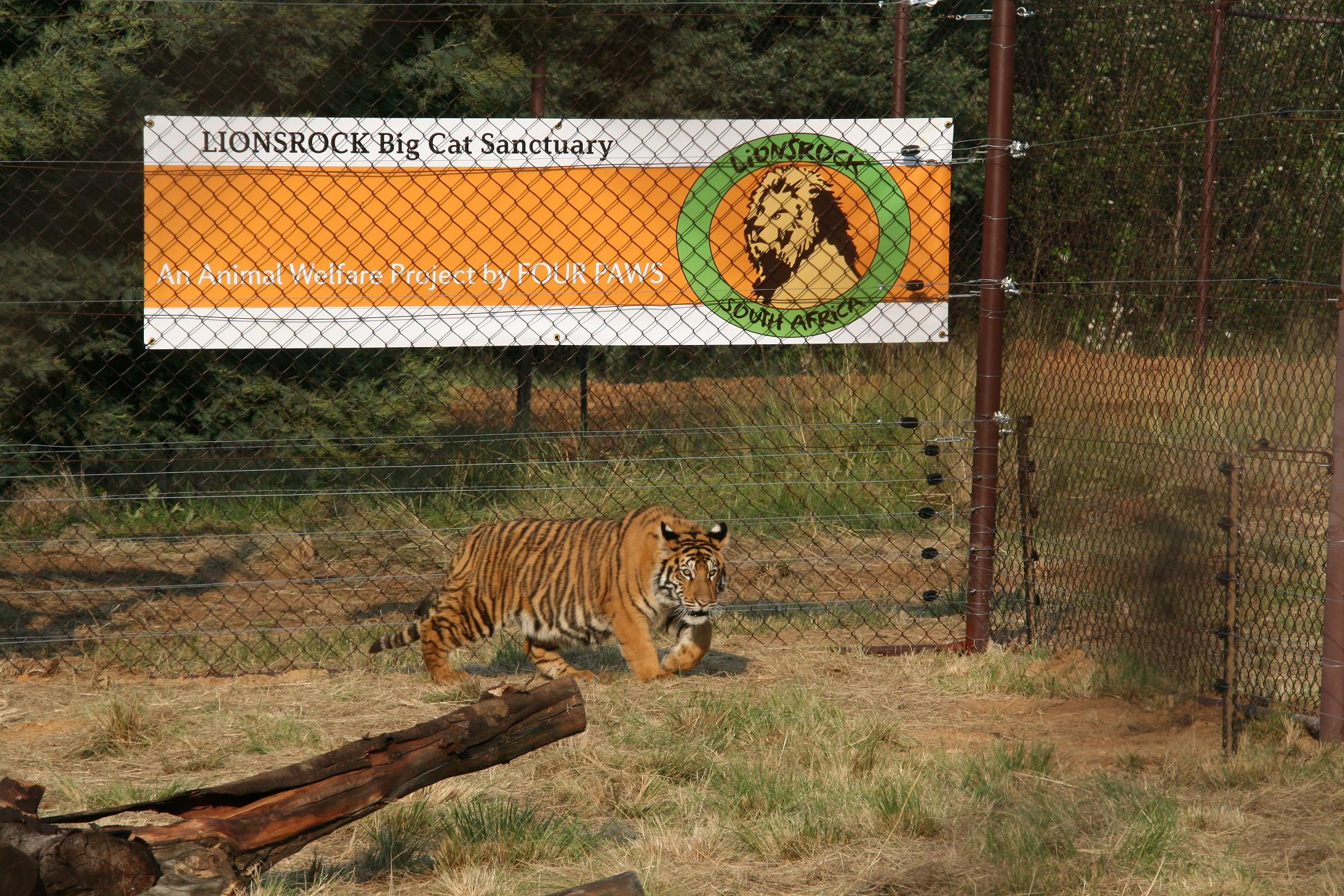
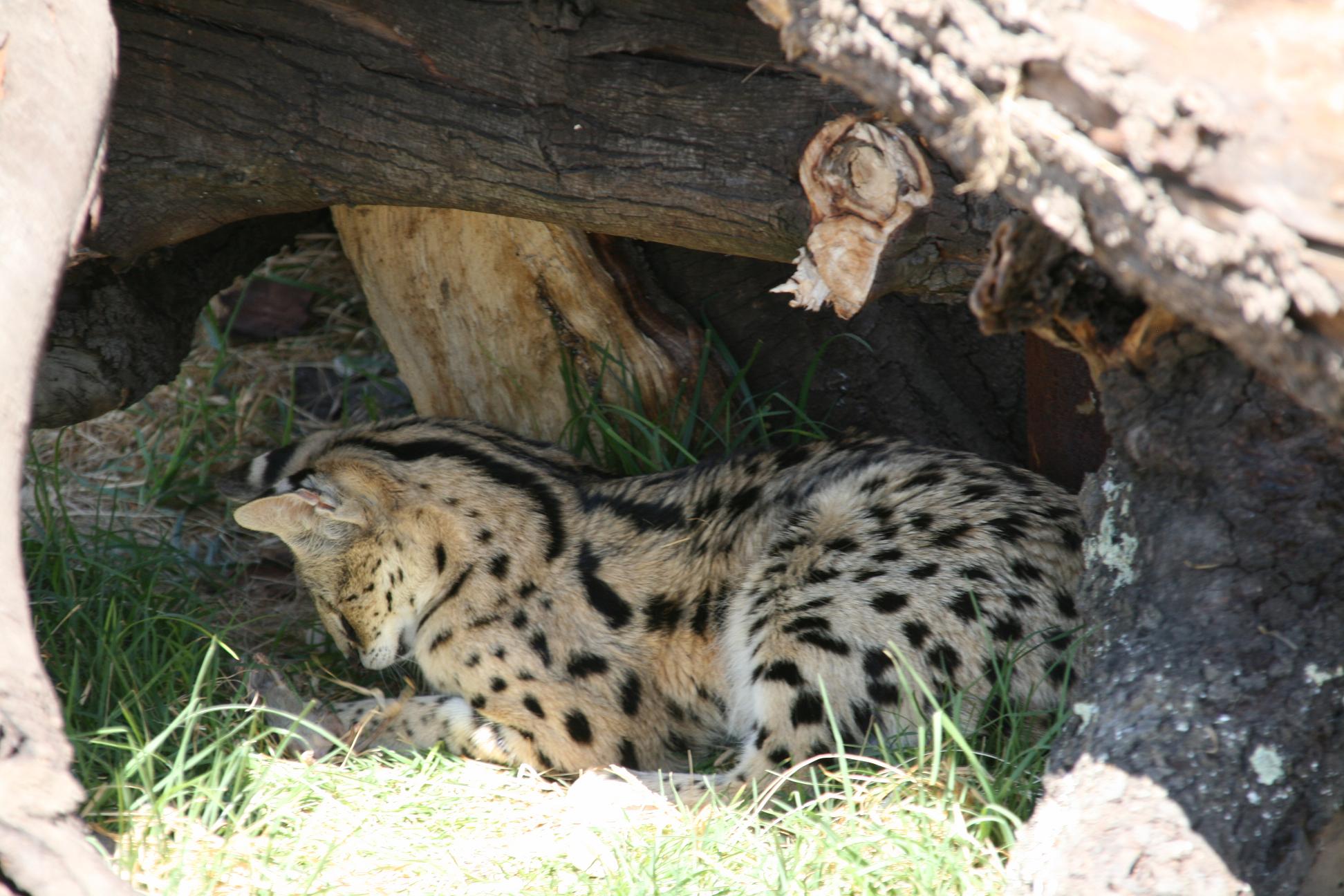
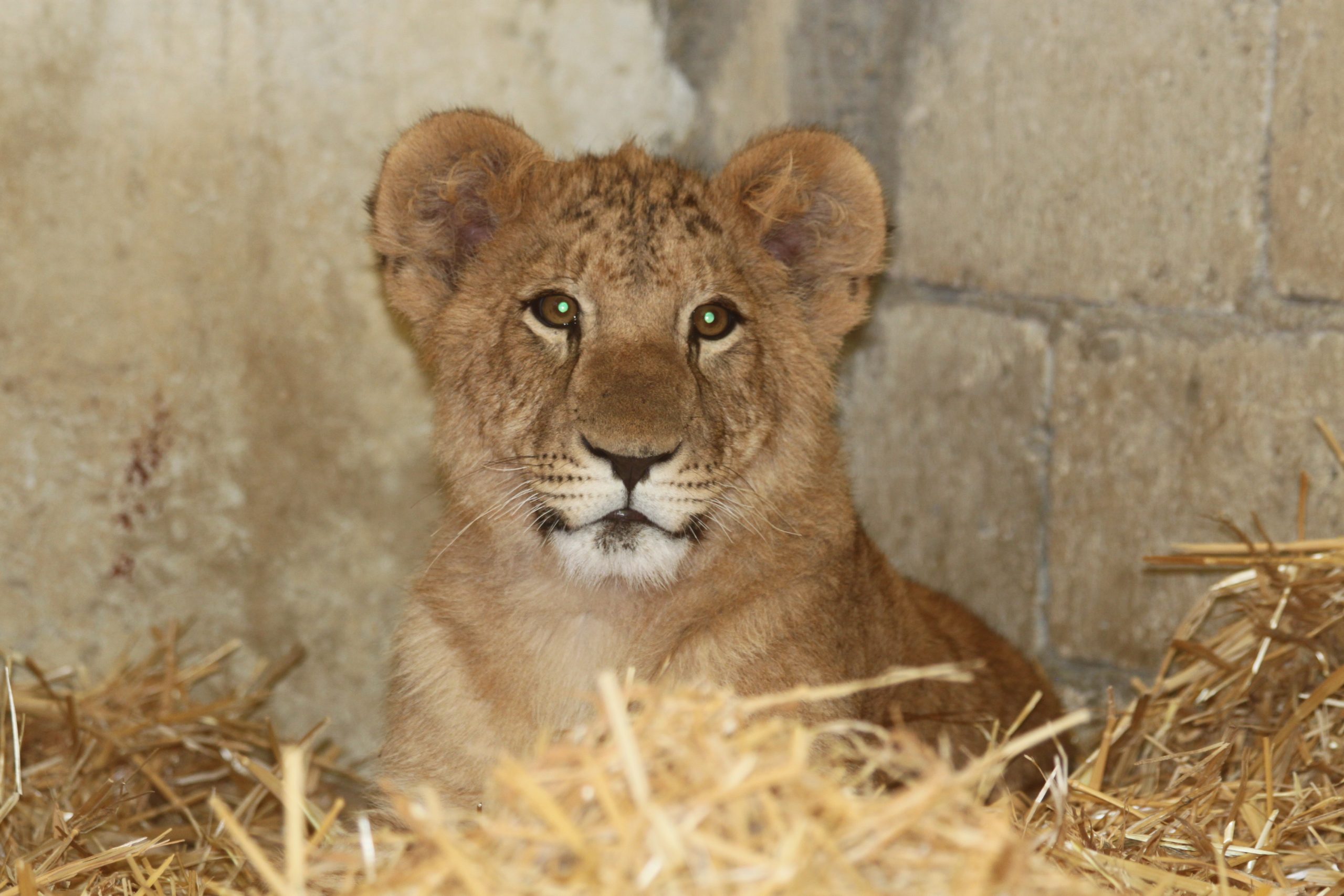
The aim of the Foundation is to promote the balance, harmony and respect of all creation using a holistic approach and uniting all parties in a common goal and as a united front. You may see this as a huge task; true, but it is time for us one and all to stand up and face our responsibilities to Humanity. Although the initial focus of the foundation was Slaughter house reform, which we have managed to move forward on, and continue to do; we very quickly realized that many more fields needed to be addressed immediately. In response to our government’s request for assistance with zoo and wildlife related issues, the New Hope Center was established in January of 2010. This provides emergency medical care, rehabilitation and eventual rehoming for rescued cases. Here, I would like to acknowledge the immense support both moral and practical, of Vier Pfoten; without them we would not have been able to achieve any of the New Hope successes. 7 lions, 3 hyenas and one very regal Serval Cat, now have the good fortune of calling Lionsrock sanctuary in South Africa, their home. Most of the animals who come through New Hope are those confiscated from local zoos (of which there are at present 5).
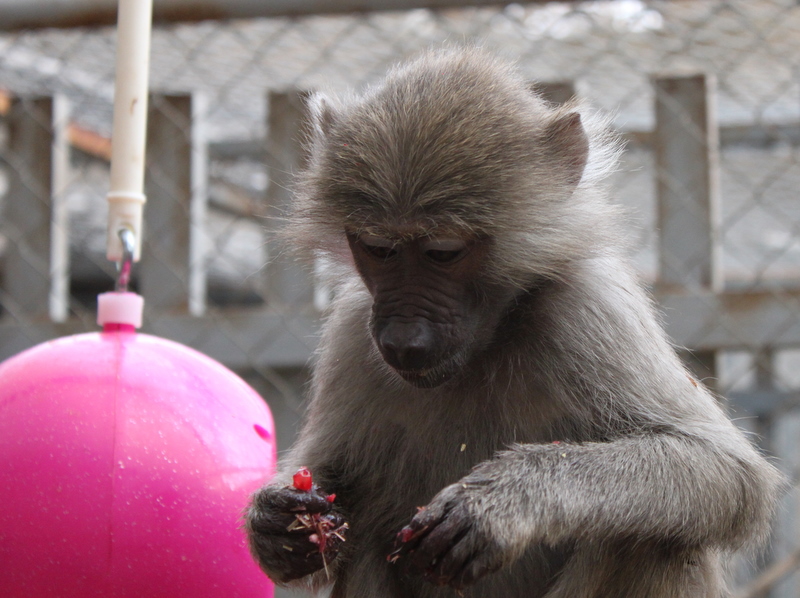
Others are animals confiscated at the borders whilst attempting to smuggle them through the country, yet others creatures either discovered at large or no longer wanted by their owners, such as young (growing) monkeys. The illegal trade in wildlife is a problem worldwide and needs to be seriously addressed by all. Jordan is used as a major corridor for smuggling. However through the cooperation of the Customs department, the Royal Society for the Conservation of Nature, the Ministry of Agriculture and the foundation, our borders have been largely closed to this smuggling trade. Those who have attempted it have recently been surprised by the quick and decisive action of the partners. We hope that this will be the case in many other countries as we attempt to identify the source and spread awareness as to why wild creatures should not be kept as pets or in private “exotic”, collections.
Education and awareness are key elements in combating any problem, and to this end the foundation has built a school curriculum on animal welfare, including input and material from Vier Pfoten. The key points are directed at the morals and ethics of interacting with the world around us, focusing on the treatment of wildlife and trees as well. We hope to pilot this in Jordan’s schools this academic year, and subsequently have it adopted by the ministry of Education into our National curriculum.
The one most crucial necessity for the physical improvement of animal welfare in any country across the world is legislation. In Jordan new regulations have been passed and an amendment to the animal welfare law of 1925 is being worked on. We hope that this will be better suited to the times in which we live and give real power to the implementing bodies to achieve results. In order to ensure a healthy animal community we are in obvious need of qualified vets. This is a field in which much needs to be done.
We had the pleasure of meeting Nicolas Lilienthal in Jordan at the Conference last October, following which an expert TAIEX mission visited the faculty of veterinary medicine at Jordan’s University of Science and Technology and assessed the present curriculum. We look forward to the next steps in this programme through our partnership with the EU where we can see our faculty raised to be on a par with international centres of learning.
In October of 2009 we had the great honour of meeting Dr. Chinny Krishna who very kindly visited Jordan to explain the ABC programme. This was presented to government agencies who were immediately convinced of its efficacy and practicality, and the first steps were taken towards a humane stray animal control programme.
In the spring of 2010 a team from Vier Pfoten arrived in Jordan to initiate the first stray animal control programme of the region implemented at national level; the government having agreed to a complete No Kill policy. The programme began in Mafraq in the northern and Zerqa and Amman in central Jordan. Although the process is quite slow at present as vets and dog catchers master the new techniques, the results are already being appreciated. More recently the Mayors of different districts have been in contact requesting the stray animal control programme in their own areas. Although many argue with this programme, some saying that stray dogs should not be rereleased in the areas where they were caught as they cannot survive, are pests, look untidy…; we believe in the programme and as Dr. Chinny has so aptly put it – there are now statistics and data proving that it works. Jordan hopes to add stray cats to this programme as soon as possible.
Throughout the short time the foundation has been at work we have been truly blessed with our partners; locally many of our ministries have proved solid supporters and we are tremendously lucky that some officials have stayed closely involved with us even after completing their term in office. Most notable of these is HE Saeed Al Masri who as minister of Agriculture was instrumental in facilitating our local partnerships and we are now proud to count as an actual member of PAF. Lyn White of Animals Australia, Dr. Chinny Krishna of the Blue Cross of India and last but definitely not least Vier Pfoten International with its diverse but united cosmopolitan and dynamic “family”.
I am proud to inform you that we recently signed an agreement with Vier Pfoten for the establishment of a wildlife sanctuary in Jordan. The importance and need for this sanctuary and education centre in the region cannot be overstated. Not only will it provide much needed refuge to animals currently living miserable lives in local zoos, but God Willing it will provide a living, breathing example of how animals should be treated that will inevitably inspire awareness and changed attitudes throughout our region.
For us, the establishment of this wildlife sanctuary will turn a dream into a reality. Looking back on the year and a half we have been working one may say that we have achieved a great deal. Although this may be true, there is still far far more to be done. The journey that we are all on, no matter in which country we work, is such an important one. As has been acknowledged throughout the ages by many wise thinkers – our treatment of animals is a direct reflection of our own morality. This is not just about them; this is about us, and fulfilling the potential of our humanity. The greatest ethical test we will ever face is how we treat those who are at our mercy. What our work over the past 12 months in conjunction with Vier Pfoten has so clearly shown, is that compassion and concern for the living beings that share this world with us, can build a bridge between countries, cultures and religions. As author Mark Twain once said, “Kindness is the language that the deaf can hear and the blind can see.” It is also the language that transcends all of our differences and unites us in a common goal – towards making this world a kinder and a better place where all living beings, and all of creation, can co-exist in peace. I applaud you for your work and commitment towards this goal and the Princess Alia Foundation looks forward to working in partnership with you for many years to come.
The Relationship Between Horses and Humans in Today’s World – WAHO Conference
HRH Princess Alia Al Hussein
November 2011 – Doha , Qatar
Although the title of this talk is “equine Human relations in today’s world,” I hope you will forgive me if i begin with some reflections upon the wider relations between humans and animals in Yesterday’s world, by way of “setting the scene”, and trying to see not only where we are now but how (how on EARTH!) we got to this…
The relationship between animals and humans in the times of our ancestors was much clearer I think. Hunting was for most a necessity yet performed with appreciation of and respect for the hunted creatures-it was not purely massacre, and it was set within a real framework as was most interaction between our predecessors and the natural world. There were cultural and religious procedures that were STRICTLY OBSERVED, unlike today, where most guidelines are often purely mechanical, performed (if at all correctly) in a perfunctory manner and with no real empathy.
Buddhism not only respects- but avoids in any way jeopardizing the lives of -even the tiniest insects. In Shamanism, creatures are often regarded by individuals as their spiritual guides, or “totems”. Nearer at hand, and more familiar to most of us, the three monotheistic religions all have strong guidelines for interacting with the natural world: guidelines based upon mercy and respect. We are told that King Solomon altered the course of his entire army to avoid trampling a colony of ants: Islam and Islamic history, from the Prophet to his Companions and on, has directives and requirements for the treatment of animals and even plants which are stricter than many welfare organizations would dream of, surprising though this may seem. One of the most telling examples is the event where the prophet Muhammad, also at the head of a huge army, posted a soldier to stand guard over a dog with new born puppies by the path. The sentry was to stay with her until all the troops had passed by, in order to ensure that nobody would bother them. Islam also, while fully acknowledging Christ’s ability to heal the sick and raise the dead, cites an earlier of his miracles : his modeling of a dove from clay and then breathing life into it…his ability of ,with God’s Guidance, giving life- the “greatest gift of all!” – was not restricted to human beings…
The fact is that our predecessors-and not so long ago either- only a generation or two in some parts of the world- were ALL aware of the sacredness of life whatever the species and – especially in the near and far east-they were also fully aware of animals as sentient beings. Yet In spite of St Francis of Assisi and many others who famously interacted with all creatures and had firsthand knowledge not only of the sentiency but sophisticated thought processes of all creatures , it took until 1999 for the modern European Community to officially recognized the sentiency of animals!
So there has clearly been a degeneration in the attitude of humans towards the rest of Creation… and this has accelerated along with every other aspect of worldly life, during the past century. Huge numbers of humans with their associated needs- magnified into DEMANDS thanks to both public and social media- call for equally huge resources to be put at their disposal. Logistics do not necessarily encourage humane attitudes-pressures prevent us from thinking about the essentials, often, and the one thing that most of us are encouraged to do is to “Get ahead”, -make more money- bigger names for ourselves- provide for our loved ones-often by giving them more and more intrinsically superficial values and gadgets which take away from our interaction with the natural world; from what is REAL, GROUNDING-and terrifyingly-ENDANGERED! Horses. We are all here at this WAHO conference because of some form of interest, love-commitment, not only to horses but particularly to the Arabian horse-the “versatile”, horse- the Improver-whose genes have contributed to all warmblood breeds and several others as well.
We felt, I believe, fairly safe and cocooned in our “Arabian horse world”, as recently as twenty years ago. Yes, there were muffled outcries at the surfacing abusive trends in the training of show horses across the ocean, but while we abhorred it we also felt slightly complacent that THIS would never catch on anywhere else. I, for one, WAS alarmed at how soon that complacency was cracked when the European and Australasian show scene began to follow suit, but I was still naive and SURE that “Once ALL the Arab countries get really involved in the Arabian Show scene this will change-they will NEVER accept these excesses. We will be horrified and vocal and help to wake everyone up, and put our resources behind stopping the abuse. I believed it fully- but sadly, whether through our blind belief in the word of trainers and dealers, or through willfully blinding ourselves to the reality behind reactions of horses in the ring, or ANYWHERE when “Stood up”, by most handlers, -WHATEVER the reason, we have not done and are not DOING right by our horses. I -regretfully but openly-include Jordan in this, because while do truly try our best to ensure that our SHOWS do not feature abuse, and make our owners aware of the issues, there are still many owners who do not “GET IT”, and while loving their horses still either do not recognize OR turn a blind eye to bad handling and scared horses.
The show scene has become actually a TRIAL for many spectators to attend. Those that do not have horses entered don’t come because it is not a pleasure to see a vast majority of frightened animals. Those that care too much to subject their horses TO abuse often feel that they can’t compete with the “professional” scene- and so give up-many are giving up their whole LIVES with horses when not being able to compete against the wind. Yet attempts at strict rule enforcement are often countered by pleas for leniency towards the “professionals, “with comments like “they are only doing their JOB- it’s their livelihood.” In truth, it is ACTUALLY those relative few who are ruining the livelihoods of many, along with the sanity and wellbeing of their possibly beautiful but internally damaged charges. Exaggerating? When you walk through a barn full of fabulous deep straw bedding and big looseboxes, wonderful ventilation and (no doubt) the BEST food and medical care-ALL the “pluses”, cited commonly by the professional trainers and handlers- you may be impressed… until you see a large strong beautiful mare prick her ears at the sound of one famous handler WAY down the corridor and collapse on the ground in a heap, scrabbling in the lovely deep bedding to get OUT-to go ANYWHERE away from that voice, even out through the back wall of her cement loosebox. Then you are not only unimpressed- if you are like me, you are feeling physically nauseous. Especially when the overseer entrusted by the owner with this huge project shrugs sheepishly and says, ” Russian bloodlines”, or some equally ridiculous excuse.
So the Show scene is not in great shape-and from the little I have seen, this is true of several other Breed shows to greater or lesser degrees. Much stress, much travel, little consideration for the horses. The more dangerous aspect for the future-aside from the breeders and owners leaving the scene (and who are the ones who ensure continuation of any breed) -is the negative transformation of the Versatile improver, the tough prepotent intelligent BRAVE (and yes, beautiful) Arabian into a cowering or aggressive neurotic flimsy travesty; not only off-putting to non-Arabian horse people, but with questionable potential for any life outside the show ring and a very poor prospect for the long-term viability of the breed.
Some of us decide to give other Horse sports a try-because we love horses and everything about them-the smell of their breath, their feed, their leather tack- just being in some way a part of their world. So we try endurance- polo- dressage- racing. Endurance and polo, though much derided and often cited as abusive by “show people”, wanting to accuse other equine sports of abuse (as if two wrongs ever made one right)…both of these sports-and i do mean when performed PROPERLY -are often loved by the horses. Endurance involves exercise, and when training and feeding are performed realistically and there is not the typical modern stress of ego to WIN AT ALL costs (too often the horse’s cost) then it can be a great sport. A real partnership and mutual understanding between equine and human; reciprocal respect and affection; sustained physical effort culminating in a wonderful bond- and often deeply fulfilling performances resulting from really knowing each other . Sometimes spectacular unexpected wins, but in their absence STILL enormous satisfaction and contentment after a long days’ effort spent in amicable competition with other like- minded friends both human and equine, concluded safely. In such cases, it is a Great sport.
Polo also, for the horses with an aptitude for the game and trained and ridden by good sensitive riders, can be highly enjoyable. Many polo ponies appear to truly LOVE the game. I know of several “old hands”, well trained ponies who actually do a little shift of weight or skip to correct the seat of an inexperienced rider, and are themselves great teachers. As with any other horse sport, if the human part of the equation has too little consideration or too much ego, then of course it can be disastrous. Too little SKILL on the rider’s part is often less of an issue, because horses, like other speechless creatures, understand our hearts and are willing to put up with much physical discomfort quite contentedly as long as there is love and consideration. As long as the rules are clear. As long as things make sense. It is when things become bizarre- when punishments given for standing in a natural way- or REWARDS are given for achieving a required pose which is UNCOMFORTABLE- praise for something painful- punishment for not doing ANYTHING WRONG. That is when horses can start to lose their minds.
Racing, show jumping, dressage-again, in the modern world, these have problems. We all know about the huge number of non-starters, young horses not up to the promise of their pedigrees or who broke down too early- sent to meat factories. Horses who may need a few months of rest to be great competitors NEXT year, but are put down because it is quicker to claim insurance on them and buy a new one to compete on- and if successful sell on-FAST before it fails and the price goes down. On and on selling and ridiculously huge prices until the creature fails. Then, unless it is a great breeding prospect -off to the meat factory.
For dressage, the old time consuming basic training, of the Classical schools such as the Spanish riding School of Vienna and the Cadre Noir of France, are largely ignored in modern dressage. These techniques and training plans took into consideration the essentials such as the maturity (both physical and MENTAL) of the horses for each stage: the necessity for protecting developing joints and tendons and for preserving sensitive mouths. Riders were not allowed to TOUCH the reins of a horse until they had completed I believe it was two years of training and would not compromise the horses by heavy handedness. No bleeding mouths, no over-flexion, no “blue tongues”, to sicken spectators. Those classically trained horses last, they perform their exercises for many years before retiring. The average age of competition horses in Europe a couple of years ago- i am not aware of the more recent statistics-was EIGHT years old. Disposable beings.
And yet, though there are so very many horses that don’t make the grade and are sent off to slaughter or are just neglected- do we stop breeding so many ? Do we attempt to only produce realistic numbers for which we can do our best to guarantee a reasonable future? Oh no, instead we breed by ever more artificial means- extracting the last possible penny from the parents with no consideration for THEIR part in the lives they beget: stallions are harvested often much too young , totally ignoring the truths behind the Chinese philosophy which equates male energy with the “Life force”, itself…. MARES are also often harvested mercilessly for embryo transfer- not just in rare cases where a rare strain or bloodline is attempting to be preserved-which COULD perhaps justify embryo transfer on a small scale- but for other reasons-selfish reasons. How often have we heard, “This is NOT a brood mare-she is a SHOW MARE that produces babies “. She needs to keep her figure to attend shows- or alternatively, it may be pure greed in wanting to have as MANY eggs as possible to sell from a famous expensive mare. So she is pumped with hormones again and again. I think not only the ladies among you, but any gentleman who has a wife daughter or sister will understand how such things affect our well-being… and these poor mares rarely if ever are allowed the fulfilling conclusion of it all- a warm live foal to love, teach, and nurture.
I frankly find equally offensive the fact that the carrier mares-often large gentle souls but not esteemed enough to be bred themselves-are regarded with amusement and derision when they produce the “Jewel”, they have been carrying on behalf of the more aristocratic genetic dam. I have seen them laughed at and called ugly while they are still serving their required purpose, nurturing or even still carrying the other’s foal- no respect at all. And it is worth remembering that surrogate dams DO contribute to the physical as well as temperamental make-up of the creature they carry. Humans cannot attempt to “Play God”, without serious repercussions … I apologize for depressing you, but if we just close our eyes and ears to the truth, then we really cannot help to make the future brighter for anyone. There IS however good news. There is at last a large, loud, and I think serious outcry about show abuse. (I know because having the questionable benefit of being on the ECAHO Show Commission I am quite regularly being upbraided for being ineffectual and useless) – and I don’t blame those who say that -any committee is often a good way of delaying action, and with the best will in the world, action is often HORRIBLY slow. But i DO believe that the present outcry, if sustained, may help us to bring about change-by waking up the owners to reality- to the suffering of their horses- by empowering officials, from judges to DC s to ring stewards to being far more effective-and helping push us into far more practical action and decisions.
As for the trainers, I also believe that many are as desensitized to what they are doing, as are children playing violent video games to real war footage. I know from myself that the more I think about and really become acquainted with the feelings and senses of others, the more I become aware of HOW desensitized I WAS, often not perceiving things which are in fact truly distressing. So instead of just criticizing the trainers I DO think that we need to actually TRY (at least) to get them to understand what the effects are of what they do.
One example- A horse who was having serious episodes of bizarre stress-sudden, hysterical behaviour-apparently flashbacks. With the help of a horse whisperer a story unfolded-and I do realize that many of you will dismiss this as fantasy, but bear with me- I ghoulishly -and in view of the almost self-damaging violence of the episodes expected a tale of beatings, the infamous cattle-prods, etc etc. But instead there was a show arena- identifiable from the description – then some “shaking”, (flapping of a bag or plastic thing to just wake up the young creature in the ring-nothing violent nor mean- but disturbing to the youngster. Then a lovely box, security- a solid box not a temporary show one (this fitted with the identification of the Show arena and fitted with the horse’s history, as did the whole story, but the “whisperer”-or “listener” if you like- knew none of this). Wonderful sense of peace and security in this box, but then the door opened and someone came in and began shaking and jazzing the horse up-AGAIN-and though it
was not cruelly meant nor threatening, there was a sickening sense of “EVEN here there is no PEACE”,.. the security shattered… Now how many of us would think that this would be THAT upsetting? A young horse at a show, people interested to see him after classes- visit his box, ‘ come on, wake up now, look good”… but to HIM it affected his whole sense of order and there was no security anywhere- for years. Now this story may be sheer imagination on the part of the Whisperer, merely coinciding with the known facts horse’s real history It may be that this horse WAS horribly abused, but the apparently banal and understated events described made it so much more plausible to me…it is NOT, as the trainers may think-just serious beatings and real pain that does the damage-it can be FAR FAR smaller seemingly harmless patterns. AND IT IS UNNECESSARY. THAT is what we ALL need to underline.
We know that horses are great strong creatures-even a foal can be hugely difficult to manage if it decides to be obstreperous- but this merely underlines the obvious fact: If horses did NOT have a basic willingness to work with humans, if they were INTRINSICALLY vicious uncooperative creatures just waiting for a chance to “Be the boss”, “Take control”, or harm us, they would not throughout history have been such wonderful companions, so patient and tolerant of our mistakes and harshness (whether intended or otherwise) or so willing to be our workmates and our friends. Horses have individual characters which in a herd will form parts of an intricate whole, each with a role according to his or her natural abilities and each complementing the roles of the others. There are outstandingly sensitive ones- perceived as “flighty”; their natural ability to sense danger, find food and water, and to take fast decisions allows the herd to rely on them as Scouts. These will probably not be best suited to certain pursuits in which loud noise and total obedience-lack of individual initiative-are main components. There are the natural “defenders”, often strong males who are commonly perceived as DRIVING the herd, but in fact are “guarding the rear”, protecting the rear or any vulnerable spot while THE SCOUT -often a strong minded and quick-witted MARE- leads them out of danger. Such a defender would not be idea for a job where he has to be mindlessly obeying orders however alien to his understanding.
The key is not to assume that horses are lying in wait waiting to “take over”…it is in making things as clear as possible, gaining their trust and in return respecting and trusting THEM. Thus, when we require something which does NOT make sense or is alarming to them, like crossing a busy street. They will accept that we know THIS urban and man-made environment, and trust us not to put them in danger- especially if we in return trust THEM in THEIR natural environment, don’t force them to walk past a grove of trees where they may have sensed a predator hiding, or to take a path which they sense is unsafe footing… In any partnership, trusting each other to do what is best for both and to take the lead in their own field of “expertise” is the best way. By the same logic, forcing an unsuitable job on a creature whose individual talents and NATURE are in opposition to it, is a recipe for problems. We should understand that and not set ourselves AND the horse up for failure by insisting what a specific creature must do if it is intrinsically unsuited to it. Otherwise yes there MAY be huge battles, and because we have more technical and physical ways of controlling the horses we may force them into our mould- but at great loss to both sides-including physical danger and worse-loss of HUMANITY.
We need to comprehend that when horses refuse a request or directive it is usually because they physically cannot do it- or find it hard-like obeying a particular order while on the wrong LEG. Or because it is painful-they may have a physical issue of which we are not yet aware- or again they may be just asking us to confirm what it is we want. If they have performed a new task well several times and suddenly seem reluctant to keep doing so, it is probably not stubbornness or stupidity- it is most likely, ” Are you SURE you want this AGAIN? We already DID that over and over”… Sometimes they are “testing”, us, asking us who WE really are-horses are amazing teachers and-when permitted- healers….
Back to the good news- there is a HUGE trend towards people wanting to use non damaging and kinder methods in their interaction with horses. However – and I do feel this is important to understand- some of the “Natural Horsemanship” methods- most notably those involving chasing away the horse in a round pen-can be quite as damaging as physical abuse-perhaps more-as they strip the creature of its will – FAST and what is left is an apathetic shell. True there was no outward cruelty and CERTAINLY the intention is good, but it is based upon incomplete or partial truths. True, wild horses keep newcomers outside the group until they have assessed how (if at all) they will fit into the complex herd system. If accepted-both newcomer and herd having had up to three days sometimes, in which to observe and figure things out-then there is usually a smooth blending- no fighting and injury-risking, nor damage to the valuable grass around by churning it up in the process. If NOT accepted, the newcomer has the option of finding other company-it is not hemmed in, being chased away but with nowhere to GO, and only total submission and loss of identity as the alternative. That way is a form of domination- and we all know that broken minds and wills can be far harder to heal than broken bodies. So if you want to try natural methods, do read up on them from several angles, and use your own sense and observation as well. You are probably more in tune and have HEARD more from your
own horse than any expert can teach you…trust your hearts.
We all know that horses are not just enchanting, a healthy pastime for teenagers, ego-boosters, work companions or facilitators, entertainers – but as I mentioned earlier, they are ALSO healers. Arab tradition tells us that they bear good fortune, that they ensure Divine assistance to their owners in caring for them, that they are comets combatting negative forces. I believe that they really do filter away negative energies, but they do more than that. I would like to end this talk with a few happy stories-stories of our horses at the Growing Together project run in Jordan for children on the autistic spectrum and others with emotional disorders and some physical special needs.
This project was started only a year ago, using mainly retired horses, some are rescue cases-none had any specific training. The children meet the horses, and within minutes each child has been “chosen”, by one of the horses -the bond between them acknowledged by some physical indication on the part of the horse. The program develops at the individual speed required by each child- some are extremely anxious by just being outdoors- some want to sit on the horse from day one-others take weeks to get CLOSE enough to touch one. But there have been some seeming miracles and almost if not all have shown truly amazing progress. From non-speaking at ALL, to calling out to the horse-from agoraphobia to roaming around the hillside confidently-from lack of coordination to playing football with friends, from lack of self-expression to joining in discussions and making choices.
One little boy of seven had poor physical coordination, and had never spoken at all. He was walking down the hill with “his” horse, past an enclosure of wildlife rescued from local zoos. Suddenly Suyen, who runs the program, heard what sounded like, “WOLF”. She turned to the child’s carer in surprise at hearing the English word. Again they heard, “WOLF”, and now the child was pointing at the wolves watching through the fence. The carer was almost in tears; yes the little boy heard English spoken at home, but never had he spoken in ANY language before. Several months later, his physical development continues to grow along with his verbal vocabulary- but he is probably the first child ever to be PRAISED for “Crying “Wolf”!
Another small boy who did speak occasional words (but never linked two to make a phrase) attends with his mother, their school not being able to afford extra carers to accompany the children on these visits. (The sessions are all a free service, but carers attend with the children.) This mother was thrilled when, on days that she would tell her child, “No school today”, he would respond with, “Husan (horse)”. The fact that he was clearly drawing conclusions-linking lack of school with a reason- a visit to the stables-was a huge step in what she saw as his development. After a few weeks of walking near a mare, he progressed to leading her himself and then came the best moment of all for his mother: he had never expressed emotions before, but suddenly he said in Arabic, “I love horse”, and went up the mare and kissed her. He has continued progressing so fast from then that he not only chats away to his family-he is about to join mainstream school this year, God Willing.
On that note, I will conclude this talk with a short film of how the relationship between horses and humans CAN be….. I hope the talk has not been too exhausting or boring, and thank you for your patience.
Communities Like you…Animals and Islam
HRH Princess Alia Al Hussein
The Prince Al-Waleed Bin Talal Islamic Studies Program Harvard University, April 2013
It is a great honour for me to have the opportunity to address such an august audience- I would have liked to say “Pleasure”, but with all due respect to your good selves, that would not be totally true for I have spent most of my adult life cravenly avoiding any form of live public speaking. However I am fully aware of the need for all of us to communicate; all the more so in this age of “communication”, and of Miscommunication. I should also underline the fact that I speak not as an “expert”, nor an authority, but simply as someone who has learned a little about life, practices my beliefs to the best of my ability, and has great faith in Islam’s essential message of Unity and Compassion.
Islam is after all a synthesis of the three great monotheistic religions- the middle way including both that of the LAW and that of LOVE as emphasized respectively in Judaism and Christianity. Islam contains the two ways and offers specific guidelines as to how we should treat each other and the world around us. I will not attempt to expound too much on the technicalities as there are so many more erudite presentations to follow, but I would like to draw attention to the tragic fact that, sadly, while certain of Islam’s directives (often the more obvious and outward ones) are focused ON -in today’s world the essential spirit behind them is all too often either taken for granted WITHOUT real application, or is given lip service but no real LIFE, and on other occasions is totally overlooked!
We are familiar with the Ninety nine Beautiful Names of God- “Asmaa Allah Al Husnaa”. They are divided into two groups, those of Beauty and those of Majesty -and yet the names we address God by in prayer daily are Al Rahman Al Rahim, The Merciful The Beneficent… Is it not terrible then that to the uninitiated-and, worse, to many less discriminating or contemplative MUSLIMS, Islam is associated with bigotry, narrowness, violence and EXCLUSION and destruction?
I was Blessed by having parents who were both practicing and devout as well as open minded and courageous Muslims. I was also fortunate in having been a child at a time when the world was less frenetic. I was thus able to learn more from observation and just being around people who lived their Beliefs wholeheartedly, than I realized at the time. Looking back, many of their actions seem almost Saintly- certainly heroic-, whereas at the time they were to me purely normal and “as it should be”. Neither parent ever “preached”, at me, but they were essentially HUMANE human beings who epitomized the idea of human beings being “brethren in creation”. They also both had a deep appreciation of Nature and the other creatures who share this planet with us and support us on this earthly journey.
My own personal involvement with “good causes”, goes back a ways but while I always was happy and honoured to do what I could on a private level, working in a hands on way with “societies” and such with all their associated formalities and deadlines and agendas and “minutes”, and so on always seemed rather incomprehensible to me and way too complicated. (Rather on a par with public speaking-hence the added irony to my presence here with you today representing a Foundation!)
I won’t bore you with the rather gory details of how this foundation came to be, but suffice it to say that it began with an Uruguayan bull, some Jordanian sheep, Arab (but not solely Jordanian) slaughter men, an amazing Australian animal welfare activist and an English cameraman who filmed and forwarded to the Jordanian relevant authorities footage of some truly UNhalal slaughter. Blows on the head of the confused bull with a massive metal pipe while goading it back and forth for no apparent reason- then prolonged roping and multiple stabbing that went on and on. I myself had not initially watched the film but upon reading the responses to the footage from abroad from those who HAD, I went home with a strong sense of responsibility- I don’t know WHY particularly-one hears of terrible things often, Ya Latif, but something inside me told me that if I let this pass with just relying on the word of others to address matters, I would be responsible and guilty for not really TRYING at least, before God, to ensure that similar atrocities were not repeated.
One of the maxims we hear frequently is that- “People who have no empathy towards God’s four-legged creatures, are likely to have none for each other. ” This has been proven to me often within the field of slaughter-The number of times I would remonstrate over some unhalal practice with someone in the field, and say, “But would you feed YOUR family this?” the outrageous and immediate reply was, ” Oh no MY family don’t eat this meat…” Is that not among the worst and most indicative aspects of the whole tragedy??? We don’t even care about each other!
We face a lot of problems in today’s world not just of misapplication and carelessness towards our own teachings (whatever system of belief we follow, most if not all are severely tested, not to say compromised in these times) but also from misperception. Some of the misapplication, and I will refer here to the more glaring examples related to halal slaughter as they underline the points clearly- are largely due to logistics. Populations have grown immensely: it is no longer a matter of a skilled practitioner who knows exactly what to do, and has his own correct equipment such as a blade of sufficient size and sharpness to work with, as well as the confidence to perform fast and precisely without fear of the creature itself. Nor is it a question of performing the slaughter mainly on local docile animals which are accustomed to being handled and are thus much easier to deal with. With the demand for meat and the wonders (often resulting in disasters) of technology, animals are transported great distances in relatively short periods, often causing great stress not to say suffering-and often arriving at their end destinations to be “processed”, in alien surroundings and atmospheres. They are faced with people speaking totally foreign languages and with even more foreign manners and certainly no idea how to handle obstreperous confused and totally stressed out animals from halfway across the globe. Most of the creatures are then dispersed to facilities which however often the “trade”, tells us are “halal”, equipped, are probably NOT. Small facilities-if facilities we can call them- often just have a hole for the blood. Bovines are cast and often trussed up like turkeys to effectively drown in their own blood by laying on their backs while hacked at with inadequate blades – sheep are thrown on top of each other to be cut on top of their dying predecessors. They usually die with quicker than the cattle, due to their specific morphology, but they are no more gently handled -and in their case there is no excuse of FEAR of being hurt by them-just the modern “who cares and let’s get it done fast”, attitude.
There is no possibility of “Leading beautifully”, as the Prophet instructed, in the world of huge numbers with untrained staff and-or- inadequate equipment. That renders it impossible for ANYONE to perform efficiently and well. All these evils around the actual slaughter time itself can be avoided by proper equipment- Temple Grandin is the leading World authority on animal behaviour-herself autistic- has designed amazing slaughterhouses avoiding stress for the animals, providing Halal standards, safety for the workers and eventually (the modern world like this part) far more cost effectiveness and less wastage!
I would like to underline that the perception of Islamic slaughter as a bloodthirsty practice is largely due TO the insistence on severing arteries and bleeding-but in fact before precise stunning was perfected, and able to be guaranteed by precise mechanisms, loss of blood was the fastest way to ascertain loss of consciousness. Hence lack of pain for the creature- and the specific directives of WHAT must be severed and what NOT, in each case are scientifically the fastest way to ensure the speed of bleeding and prevention of clotting thus ensuring not only the fastest possible loss of consciousness onset of death AND MINIMUM blood in the meat.
I apologise for dwelling so long on this one topic but it is the one which is most commonly recognised as an aspect of Islam’s approach to animals and which sadly attracts the most misunderstanding of real Islam. I myself was obliged to research much more deeply specific directives whether actual Quran or Ahadith in order to try to address the various issues we were asked to deal with, and I confess with some shame at my ignorance but great pride in what I discovered-that I was truly astounded by the reality. The depth and detail of the specified directives are truly more strict and humane than most animal welfare societies would have the nerve to request.
A related major irony is the fact that non-Muslim exporters of chilled or frozen meat TO Muslim countries HAVE to apply halal standards CORRECTLY in Australia to export to Muslim countries, and in the interests of their TRADE they do it properly- not like us paying lip-service, shrugging and doing it any old how just focusing on blood. SO non-Muslims apply HUMANE HALAL STANDARDS AT HOME to export meat to us-THEIR TRADE IS MORE IMPORTANT TO THEM than OUR APPLYING ALL THE LETTERS AND THE SPIRIT OF GOD s LAWS IS TO US???? We can do the job just as well with proper facilities, monitoring, and TRAINING. But to keep harping on SOLELY about bloodletting and forgetting that Islam wants the WHOLE PASSAGE TO SLAUGHTER AS WELL AS THE SLAUGHTER ITSELF TO BE AS STRESS-FREE AS POSSIBLE just conjures up rather pagan images of blood lust. It DOES NOT EXPLAIN God’s Concern towards His creatures-and it certainly omits to point out that DOING IT WRONG, Causing suffering, HAS A PRICE-as do all contraventions of God’s Laws- AND aside from the desensitization of humane feelings in cruelty- there is another aspect perhaps more frightening for some – it is that consuming such stressed animals is NOT HEALTHY_HUMAN HEALTH IS THAT PRICE.)
It is worthy of note that while the European union for example only officially recognised Animals sentiency in early 2009, Islam and indeed most other ancient belief systems and cultures were fully aware of the fact that the natural world \is sentient and plays an active part in physically sheltering and sustaining human beings. It also supports us spiritually and for those who are Blessed enough to sense this, it points the way for man to fulfil his destiny and hopefully to truly find God. How ironic that Islam which is widely perceived as consisting of people unsympathetic to animals for example, and careless of trees and plants and good clean earth and air , quite clearly alludes in the Quran itself to the natural world’s awareness of God and to its role in the graces or signs by which God’s Messengers could be recognised. Abraham was exposed to fire which did not harm him. His son was saved from being sacrificed by a “great” ram- which God accepted in his stead.
Moses’ whole life as we know of it is filled with the significant results of his interaction with the natural world-from the river carrying him as a baby, to his finding a home in Midian thanks to his drawing WATER from a well. From his speaking to God through a BURNING BUSH- to his staff which transformed into a snake at significant moments and which he also valued for other reasons…and to the SEA itself parting … these are just a few of the examples- but perhaps the most subtle allusion to the interplay between worlds , to my mind, is in the story of the fish which came to life at the junction of the “two seas” and by which Moses was able to link up with the enigmatic and remarkable gnostic who taught him about Patience…
I see that there is to be a learned talk on the story of Sayyidna Sulaiman and the ants during this conference. Solomon’s ability to command the winds (symbols of spiritual messages) and his knowledge of the “Language of the Birds”, as cited in the Quran demonstrate his unique abilities ans well as God’s favour towards him- but let us not forget that the Quran ALSO demonstrates how relative “power”, as such is-for when Sayyidna Suleiman died, all his subjects with their own considerable and varied powers remained enthralled by his presence until a minute and “lowly”, TERMITE caused his seat to collapse. Until then, none other had been able to tell for sure that the Mighty Suleiman had passed, and had ceased to hold power over them.
I would like to add the reference to Christ’s powers and his abilities to reverse “natural”, laws by healing the sick and raising the dead “By God’s Will”, but there is also the charming reference to how he created a live flying pigeon from clay . The Quran also cites how Allah used birds, a dog, and even a donkey to demonstrate HIs power over time to doubters. The life of the prophet Muhammad is FILLED with examples of his respect for nature and the significance of animals in his life-from the sheep which he tended and which were always fat even during times of scarcity-to the spider and dove which protected him during his Hijra to Medina-and his clear demonstration of his respect for animals in letting his first abode there be chosen by his Camel, Qaswa.
And in case we missed their significance, we have God Himself pointing out in Surat al Baqara how He illustrates points by references to even so tiny a creature as a mosquito AND HOW humans who do not “get it”, question His use of so “insignificant”, a creature. HUMANS question GOD”S Judgement??!! The Quran is full of allusions to creatures, and nature; some obscure, others obvious-but ALWAYS Nature and the natural world are prominent, and intrinsically linked with our fate. We are told that God Created man as His vice-regent. Our purpose then is to protect God s Creation: CERTAINLY to respect it. So how do we justify-EVEN if purely by neglecting to interfere in a positive way- the exploitation of nature – wastage of resources- desecration of places which at some point in time have been HOLY-if not to our own belief system then to others – the whole of creation is holy, if we would but acknowledge it.
Perhaps it is these clear and numerous references TO animals as thinking beings that explains an extremely positive aspect-and probably an unexpected one – of the Middle east s attitude towards animals… we find it easier than the more “modern thinking”, west to accept the idea of conversing with them in some form other than the obvious ones. I have had the good fortune to witness some truly remarkable exchanges, silent but no less effective in their results, between animals and people who profess to communicate with them as in some form of actual exchange of ideas. While even the “whisperers”, as they are more commonly known, are not able to verify their input other than through the results- in other words, as one frankly explained, “For all I KNOW it could all be simply my imagination”… I have seen proof in the form of very specific changes in the behavior or attitude of some creature after such an event. My reason for raising the topic-which many may scoff at- here is that I was quite taken aback at times by the response of very UNmodern people at home. When I would tentatively and apologetically explain that someone was coming to try to assist with a situation by “as she says talking to “the creature in question, most would either nod and say, “oh yes we know such things exist, our grandparents knew such a person”, or else, ” oh good well can she also “talk”, to this or that horse-cat-dog-as well to see why it does xyz?”…
What was MOST heart-warming though and AGAIN (sadly) surprising is that, while we are in the world’s perception not the kindest of people towards animals, there appears a consistent thread to another more subtle angle. Under the apparently casual -even at times cavalier- attitude and usual lack of cosseting that many people in our region show towards even house pets , my friend was surprised time and again by the fact that the concern for and interest in the creature’s actual happiness- contentment- were what was enquired after. In the west she is accustomed to being called upon to get a certain creature to conform, be easier to live with-more convenient. Yes it may have expensive food and toys (I know the figures spent on such things are mind-boggling) but it is ALSO required to “fit in”, often with a lifestyle which is not suited either to that species or simply its individual character. We know that household dogs are nowadays trained to sit in “crates” for long hours to avoid mess or disturbance -other “show animals are kept in confined conditions, groomed ad infinitum and not allowed to roll or mess up their coats or manes, nor play freely with colleagues for fear of being a bit less than the required artificial perfection on a great SHOW day. Many hugely expensive show horses are horribly abused in order to ensure TOTAL focus on their handler and no distraction during a show- most modern performance horses are brought along too fast at the expense of their limbs and joints and certainly their mental maturity, to be sold on at higher prices FAST before they break down -or even cause the inconvenience of missing a season by needing rest -and are often then put down, insurance claimed, and another disposable soul bought…because the animal COSTS a lot and therefore OWES its owner – who has a RIGHT to expect success and returns- never mind giving the creature peace of mind, contentment, or EVEN a chance of a long life.
Only last month, I was visiting the Spanish Riding School of Vienna, (one of the few remaining schools of CLASSICAL equitation). The group I was with were members of an Organisation established to protect Arabian show horses from abuse. It was therefore particularly impressive to hear that the classical schools focus on bringing on their horses extremely slowly, establishing good rapport with their riders but also building up strength in joints and muscles which ensure the longevity of the creatures-with soundness and pleasure in their work. One senior stallion is still MaShaAllah one of their leading performers at the age of twenty four. Contrast that with the fact that the average life of sport horses (including show jumpers and dressage horses) in Europe a couple of years ago was only EIGHT YEARS OLD. Many owners would rather put down a horse that would be perfectly functional after a season’s rest-dispose of it and replace it (through insurance money) with another victim.
Forgive the digression, but the “commodity”, attitude to creatures is shocking to me, all the more so that to my great sadness it is catching on our part of the world and competition surpassing traditional attitudes towards horses and other creatures. What we need to preserve above that nonsense is what my friend the Animal whisperer found so heart-warming-the fact that people in our region wanted to KNOW WHAT THEIR animals felt-how they could be made more content, even in fairly basic conditions-not in the sense of expensive toys or treating them as virtual humans in terms of housing and apparent pampering-but to ensure that they were CONTENT in themselves-not just “make it fit in with my lifestyle”. I think that is a truly precious thing, and I hope that we never lose it.
For what, after all, IS Kufr? True we translate it as SIN, but it comes in Arabic from the root KFR to hide, to cover- and basically it signifies NOT that we are to blame for genuine ignorance BUT FOR FEIGNING IGNORANCE, closing our eyes-ears-hearts-INTELLECTS- to the Truth. Either because we feel that we benefit by doing so- (as if any earthly benefit could count when we face our Creator and are asked why we ignored HIS directives and harmed HIS creation in order to impress mere humans-) Or because it just seems too much like an EFFORT. Well, let us remember that JIHAD is Holy effort-and that the Prophet referred to physical battles as the LESSER Jihad-but to DAILY LIFE -living decently- as Al Jihad Ul Akbar.
What we all know but too few of us care to dwell upon is that while abuse of any living thing is not a good sign-indicating at the very least ,ignorance of or carelessness towards others and certainly WASTEFUL tendencies- it is damaging at the end of the day to the actual soul of the one who perpetrates it. It is I believe proven by studies that serial killers for example had tendencies towards cruelty to insects and animals from a young age. Such tendencies if unchecked progress in a downwards spiral to appetites for ever more degenerate behaviour and the very HUMANITY of humans is compromised. What distinguishes us from other creatures is our MISSION as “God’s vicegerents”, and the ability which the Good Lord gave us to assist us in this mission, of surpassing any negative tendencies which we may have. In all creatures however gentle and exceptionally clever and empathic they are-and there are truly amazing unselfish and perceptive creatures out there in almost every form under the sun- Sub7an Allah- the distinguishing element of the non-human world is that it is bound to some extent by its NATURE. To paraphrase a wise man- an apple seed does not produce a fig tree- and likewise animals are in some degree always subject to their instincts to a greater or lesser level. It is HUMANS with our huge God-Given responsibility to govern the world well, who have the ability to surpass ourselves – to manifest The Asmaa al Husna in a good balance neither being too Ra7eem to the extent of weakness in acting correctly and allowing wrongdoing out of excessive or misplaced sympathy, nor too JABBAAR or Muntaqim and thus too harsh and Unforgiving.
God Gave us this potential and this responsibility, and while it is very few who are able to maintain even a semblance of having a consistent balance in manifesting a step or two on the way towards the potential perfection of Al Insan Al Kamil- IT IS A MISsion from GOD to TRY- and YES it is terribly hard-but how many really worthwhile things are easy to achieve?
To return to my own personal involvement; I was persuaded by a good friend and remarkable lady, she who had filmed the Uruguyan bull- to continue working but through a foundation with my name. I felt that was pretentious and I also had as I said earlier a horror of working through organizations. However but her eminent practicality convinced me, “You can use the title for GOOD, it attracts attention and that is often a key element”, so: be concerned about how it would ‘appear” or gain leverage for good causes? No question which was more important … thus PAF came into being, based upon a few solid and clear headed family members and friends We set to work -still with the main objective of true halal slaughter and raising awareness on the realities around us regionally. Our partners of necessity had to be the responsible Govt bodies, so we presented our ideas to the most relevant ministers: Islamic Affairs, Agriculture, Environment, planning, rural affairs, health, and the Food and Drug administration as well as the Municipality of greater Amman. They agreed to work with us, but were far from being content to let us focus solely on abattoirs. We were immediately asked to find a solution for the problem of feral dogs, (a constant hot potato and source of inhumane behavior in attempting to control them and ensuing bad publicity and wide public discontent in return). We were also asked to find a solution to the Zoo situation- Jordan had at that time four zoos, none actually with valid licences, all based upon illegal wildlife trade, smuggling, breeding, and all potential disaster scenarios in terms of health (quite aside from the fact that they offered neither EDUCATION nor conservation the two premises for establishing a zoo in the first place. Moreover visitors- often left depressed and/or traumatized by what they had seen and cases of children being mauled by the inadequate safety standards were not unheard of.
We had no CLUE how to address any of those issues- yes we all like animals but had no experience in the field of humane and effective stray animal control nor ZOOS- but the opportunity to help was far too good to pass up so we nodded calmly and said of COURSE, we’d love to.
Our horizons expanded rapidly and everywhere we met with outstanding human beings, far too many to be mentioned here or to attempt to give each of them anything approaching their due. But all were patently linked by mutual respect for each other and for God’s Creation-and that, regardless of our individual religious frameworks. This for me has been one of the greatest gifts of “Paf”; reaffirming my erstwhile weakened faith in humanity.
And so one mission led to another and we arrived at a program me for youth at risk. This youth programme actually started as an offshoot of “Growing Together”, equine therapy for children on the autistic spectrum. This is offered free, in very natural surroundings, close by rescued animals in a sanctuary called “New Hope”, awaiting a permanent solution in a proper wildlife sanctuary project in the North of Jordan. I may be confusing you here because I did elaborate on how PAF began as a solution-finder for the slaughterhouse situation in Jordan- and I mentioned stray control and Zoos- and yes Paf has been officially established for under four years now, but we ARE MaShaAllah running a variety of complex and VERY necessary initiatives, relying mostly on my cousin Sharifa Sarra, the dynamo and lynchpin of Paf- who sadly could not be here today but surely is in spirit-probably chortling at the fact that I am actually standing here giving a speech which she knows is not my forte… we are a tiny group of workers, but we CARE, we have Faith in God’s message and we have faith in humanity- TRUE humanity. So when we see a need for action we assume that it has shown itself for a reason, and we try to act… it is not about ” We have a budget so what shall we use it for?”…it is about, “this needs to be done-we see a way of doing it- with God’s Grace it will work out inShaAllah”. So our programs mushroomed to include assistance to schools, awareness towards environmental issues, alternative energy for schools and villages- and God Willing our next project is a comprehensive solution for the care and education and PREPARATION FOR THE OUTSIDE WORLD for all the orphans who are at present in our Governmental institutions.
I mention all that not to blow trumpets-if any were to blown it is certainly NOT mine, but that of the team who put their heart soul and time into the projects to the extent that the families in question ALSO became involved and instead of grumbling about attention, put their own young minds and hearts into spreading good words and raising awareness .The point is that from a gruesome subject like abattoirs, we moved quickly and in steps each progressing from the one before it to- where Paf is truly working towards” Compassion and respect for ALL Creation”,…not just animals, not just trees and clean air, NOT EVEN just children- but towards the WHOLE -with no part of it seen as less important. THAT is Islam-Unity in diversity-diversity in UNITY- taw7eed, of efforts, of seeing the world as whole, of working together for better days and of living Islam’s message of RESPECT which frankly is much more Islam’s attitude than the much -used word TOLERANCE which can sound condescending rather than inviting and inclusive-and real peace at the end of all InShaAllah.
This conference is focused on Islam’s attitude towards non-human creatures but I think it is crucial to underline very briefly the outstandingly benevolent essence of Islam’s view of ALL interactions between earthly beings. Perhaps today THE most misrepresented and misunderstood aspect of Islam’s attitude to human interaction is its view of women. I believe it is all summed up in God’s Quranic mention of the relationship between husband and wife”…and We Created between the two Affection and Mercy”. With affection AND mercy, any form of exploitation or cruelty -even to the degree of nagging or worrying one’s partner-is negated.
I could bore you all with many more stories and examples, but I would like to end with a few images of the Growing together programme- It now caters to over four hundred children from those with autism-related issues, to physical problems, to orphans and children under family protection…this has been life changing for so many as the families suddenly hear speech from non -speaking children- hear words like “Love”, used by those who never expressed emotions- enrol previously inactive and non-interactive children in mainstream school- and all we have done towards this is to provide them with the chance to interact with creatures-mainly horses-and to be out in nature. A clear demonstration of the unity of Creation, and of how creation is linked and when allowed to do so, can HEAL with God’s Barakah and the Power which none of us can fully explain, nor deny. And so, BismIllah Al Rahman Al Rahim- In the Name of God The Merciful The Beneficent…
Social and Community Development
PAF works in close co-ordination with local communities to address their needs.
In order to have a long-term sustainable effect PAF links with other stakeholders with the required expertise and builds a positive partnership in order to relieve the challenges in the field.
Some of the more recent accomplishments:
Knowledge Centres in Fifa and Sakib (in partnership with ITG and RSCN)
Distribution of aid packages to the Southern Jordan Valley
Distribution of Educational Material to schools in the Southern Jordan Valley
Distribution of blankets to Ghweibeh, Rahma and Qatar areas in the south of Jordan (in partnerhsip with Family Kitchen)
Paint for schools across Jordan (in partnership with National Paints)
School playground renovation (in partnership with GAM)
Provided 5 sterilisers to the Al Hussein Orphanage (in partnership with Pharmacy One)
Furnished KG in Al Ghweibeh (in partnership with the Arab Potash Company)
Provided a school bus for students with special needs in Greigra (in partnership with the Arab Potash Company)